The Eisenhower Doctrine: Cold War Diplomacy in Action

loola-games.info – In the midst of the Cold War, when tensions between the United States and the Soviet Union were reaching new heights, President Dwight D. Eisenhower sought to establish a clear and strategic approach to foreign policy. The result was the Eisenhower Doctrine, a pivotal piece of Cold War diplomacy that reshaped America’s role in the Middle East and beyond. Let’s dive into what the Eisenhower Doctrine was, why it mattered, and how it was a critical tool in the fight against the spread of communism.

What Was the Eisenhower Doctrine?

Announced in 1957, the Eisenhower Doctrine was a policy that aimed to contain the spread of communism, specifically in the Middle East, by providing U.S. economic and military support to countries resisting communist aggression. The doctrine came at a time when the United States was deeply concerned about the influence of the Soviet Union in the region. With the Soviet Union pushing for expansion, particularly in regions like the Middle East, Eisenhower sought to establish a strong response to prevent these countries from falling into the Soviet sphere of influence.

The doctrine specifically targeted the Middle East, where the U.S. was concerned about the instability created by nationalist movements and the growing influence of communism. Eisenhower’s response was to provide assistance to countries that were threatened by communism, particularly through military aid and intervention when necessary. In essence, it was an extension of the broader policy of containment, which was designed to prevent the spread of communism worldwide.

The Cold War Context: Rising Tensions

To fully understand the Eisenhower Doctrine, it’s important to consider the context in which it was created. The Cold War was well underway by the late 1950s, with the United States and the Soviet Union locked in an ideological battle between capitalism and communism. After World War II, the Soviets expanded their influence across Eastern Europe, and the U.S. was determined to stop this expansion.

In the Middle East, the situation was complex. The region was strategically important due to its vast oil reserves, and the U.S. was concerned about Soviet influence potentially disrupting global oil supplies. Moreover, the rise of nationalist leaders in countries like Egypt and Syria had the potential to align with communist ideologies, which made the region even more volatile. With countries like Egypt leaning towards a more neutral stance and rejecting U.S. alliances, Eisenhower felt that direct action was necessary to secure U.S. interests and prevent communism from spreading.

Key Features of the Eisenhower Doctrine

The Eisenhower Doctrine primarily focused on two key strategies: military intervention and economic assistance. Here’s a breakdown of how these strategies were put into action:

Military Intervention

One of the core components of the Eisenhower Doctrine was the U.S. commitment to intervene militarily if necessary to prevent the spread of communism. This idea was rooted in the broader Cold War strategy of “containment” that the U.S. had adopted under President Harry S. Truman. If a country in the Middle East, or any region threatened by communism, requested help, the U.S. would provide military aid or even deploy U.S. troops to protect the government from communist takeover.

This approach was first put into action in Lebanon in 1958. Lebanon, under the leadership of President Camille Chamoun, was facing internal strife and the potential rise of communist-backed forces. The U.S. sent 14,000 troops to help stabilize the country and protect it from communist influence. This intervention was seen as a success and set the precedent for future military interventions in the region.

Economic Assistance

The Eisenhower Doctrine also placed emphasis on providing economic support to countries that were threatened by communism. Eisenhower believed that poverty and instability created fertile ground for communist ideologies to take hold. Therefore, providing economic aid to countries in the Middle East could help strengthen them against communist influences. This economic assistance was aimed at building up political and economic stability, so these nations could better resist Soviet pressures.

Through the doctrine, the U.S. provided financial and military aid to countries like Jordan, Lebanon, and others in the region. By supporting these countries, Eisenhower hoped to create a buffer against Soviet expansion and help build alliances that would stand against communism.

The Impact of the Eisenhower Doctrine

The Eisenhower Doctrine had a significant impact on U.S. foreign policy during the Cold War and its legacy can still be seen today. Here are a few key ways it influenced both U.S. diplomacy and the global political landscape:

Strengthening U.S. Alliances in the Middle East

The doctrine was crucial in cementing U.S. influence in the Middle East. By offering military and economic aid, the U.S. was able to build alliances with several Middle Eastern countries, including Jordan and Lebanon, which were critical to preventing communist expansion in the region. The doctrine solidified the U.S. as the dominant superpower in the Middle East, pushing back against Soviet efforts to spread communism.

Setting a Precedent for Future Interventions

The Eisenhower Doctrine set a precedent for U.S. military involvement in the Middle East, especially in terms of preventing the spread of communism. Although the doctrine itself was largely focused on the Middle East, its principles would later inform U.S. interventions in other regions, such as Vietnam and Afghanistan, where the fight against communism remained a central concern.

Criticism and Controversy

However, the doctrine was not without its critics. Some viewed the U.S. intervention in Lebanon as a step toward increasing military involvement in the region, which would later lead to greater U.S. entanglements in the Middle East. The doctrine was also criticized for supporting authoritarian regimes in the region, as some of the countries that received U.S. support were not particularly democratic. Critics argued that the U.S. was more focused on containing communism than promoting democratic values in the Middle East.

Conclusion: A Cold War Strategy for a New Era

The Eisenhower Doctrine was a key component of Cold War diplomacy and a bold attempt by the United States to exert its influence in the Middle East during a period of intense global competition with the Soviet Union. By focusing on both military intervention and economic assistance, Eisenhower sought to contain communism and prevent the spread of Soviet influence in a region crucial to global stability and oil supplies.

At www.loola-games.info, we understand that the Eisenhower Doctrine is a perfect example of Cold War-era diplomacy in action. While it had mixed results, it paved the way for future U.S. involvement in the Middle East and remains an essential chapter in the study of U.S. foreign policy during the 20th century.
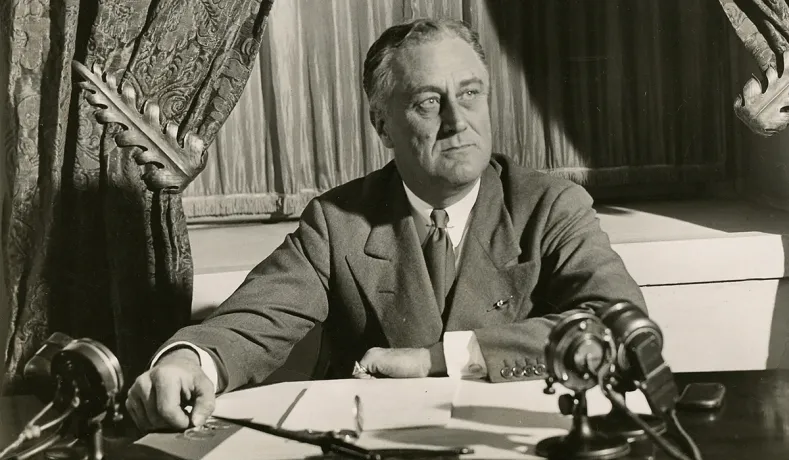
FDR: The President Who Defied the Great Depression

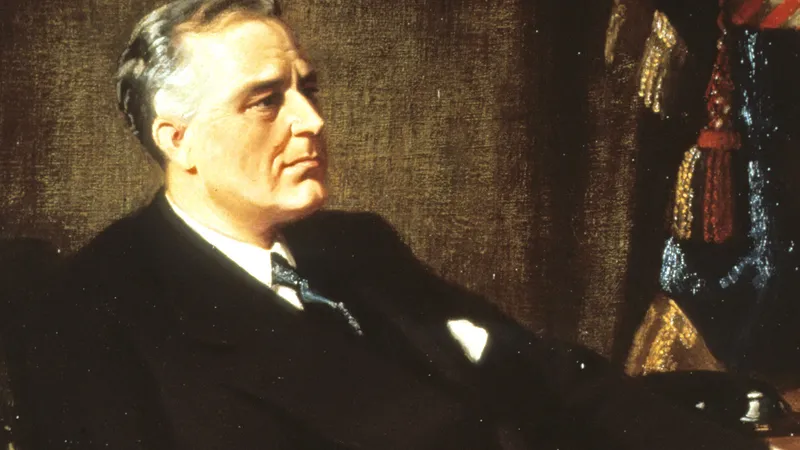
loola-games.info – Franklin Delano Roosevelt (FDR) is widely regarded as one of the most influential leaders in American history, largely because of his leadership during the Great Depression. As the 32nd President of the United States, FDR took office during one of the darkest periods in the nation’s history, when the economy had collapsed and millions of Americans were facing unemployment, poverty, and despair. Roosevelt’s response to this crisis—embodied in his transformative New Deal policies—not only helped the country recover but also reshaped the role of government in American life. This article explores FDR’s rise to power, his response to the Great Depression, and the lasting legacy of his leadership during this turbulent period.

The Great Depression: A Nation in Crisis

Economic Collapse

The Great Depression, which began with the stock market crash in October 1929, was the most severe economic crisis in American history. The crash wiped out billions of dollars in wealth, leading to the failure of thousands of banks and businesses. By 1932, the unemployment rate had reached 25%, with one in four Americans out of work. Homelessness, hunger, and despair became widespread, with long lines of people waiting for food at soup kitchens and shantytowns, known as “Hoovervilles,” springing up across the country.

The economic collapse also had a devastating psychological effect on the American people. Confidence in the government and the economy was shattered, and many citizens felt abandoned by the political system. The incumbent president, Herbert Hoover, was widely blamed for the crisis. His belief in limited government intervention and his failure to address the severity of the situation led to growing public discontent. As the 1932 election approached, the American people were desperately seeking new leadership and a fresh approach to solving the nation’s problems.

FDR’s 1932 Presidential Campaign

Franklin D. Roosevelt, the Democratic governor of New York, emerged as the leading candidate for the presidency in 1932. Roosevelt had gained a reputation as a progressive reformer during his time as governor, where he implemented policies to provide unemployment relief and address economic hardship. His personal charisma, optimistic vision, and pragmatic approach to governance set him apart from other political figures of the time.

Roosevelt’s 1932 campaign was centered on the promise of a “New Deal” for the American people, though he left the specifics of this plan vague during the election. His message was one of hope and recovery, and he presented himself as a leader who could bring about the change that the country desperately needed. He famously stated, “I pledge you, I pledge myself, to a new deal for the American people,” a phrase that would come to define his presidency.

Roosevelt won the election in a landslide, carrying 42 of the 48 states and securing 57% of the popular vote. His victory signaled a clear mandate for change, as Americans looked to him to pull the country out of the depths of the Depression.

The New Deal: Bold Action to Combat the Depression

The First 100 Days

When FDR was inaugurated on March 4, 1933, the nation was in dire straits. Banks were failing at an alarming rate, millions of Americans were unemployed, and confidence in the future of the country was at an all-time low. Roosevelt recognized the urgency of the situation and immediately set to work on a comprehensive plan to stabilize the economy and provide relief to those suffering the most.

During his first 100 days in office, FDR and Congress passed an unprecedented number of bills aimed at tackling the Depression. This period of legislative action laid the foundation for what would become known as the New Deal. Roosevelt’s strategy was based on three primary goals: relief for the unemployed and poor, recovery of the economy, and reform of the financial system to prevent future economic crises.

Banking Reform: Restoring Confidence

One of Roosevelt’s first actions as president was to address the nation’s banking crisis. The financial system was teetering on the brink of collapse, with depositors rushing to withdraw their money from banks, leading to widespread bank failures. To restore confidence, Roosevelt declared a nationwide “bank holiday,” temporarily closing all banks to prevent further runs. This gave Congress time to pass the Emergency Banking Act, which allowed the federal government to inspect banks and reopen only those that were financially sound.

In his first “Fireside Chat,” a series of radio addresses Roosevelt used to speak directly to the American people, he explained the steps his administration was taking to restore the banking system. His calm, reassuring tone helped ease public anxiety, and when the banks reopened, Americans began depositing their money again, signaling a return of confidence in the system.

Relief Programs: Putting Americans Back to Work

One of Roosevelt’s top priorities was to provide immediate relief to the millions of Americans who were unemployed and struggling to survive. To address this, his administration created several programs that put people back to work while improving the nation’s infrastructure.

The Civilian Conservation Corps (CCC) was one of the most popular New Deal programs, employing young men in conservation projects such as reforestation, building parks, and improving rural infrastructure. The CCC not only provided jobs but also improved the environment and created lasting public works.

The Public Works Administration (PWA) and the Works Progress Administration (WPA) were also central to Roosevelt’s efforts to combat unemployment. The PWA focused on large-scale construction projects, such as building schools, roads, bridges, and hospitals, while the WPA employed millions of Americans in a variety of jobs, including artists, writers, and laborers. These programs provided much-needed jobs and helped to rebuild the nation’s infrastructure.

The Second New Deal: Structural Reforms

While the initial wave of New Deal programs focused on immediate relief and recovery, the Second New Deal, launched in 1935, aimed at more profound reforms that would reshape the American economy and society. Roosevelt believed that structural changes were needed to prevent future economic crises and to address the deep inequalities that had contributed to the Depression.

The Social Security Act: A Landmark Achievement

One of the most significant achievements of the Second New Deal was the passage of the Social Security Act in 1935. This groundbreaking legislation established a system of unemployment insurance, old-age pensions, and aid to the disabled and poor. For the first time in American history, the federal government assumed responsibility for providing a safety net to protect the most vulnerable citizens.

The Social Security system was a monumental shift in the relationship between the government and the American people. It ensured that the elderly, the unemployed, and those unable to work would have a source of income, providing a sense of security in an otherwise unstable economy. The Social Security Act remains one of the most enduring legacies of the New Deal, and it continues to serve millions of Americans today.

Labor Reforms: The Wagner Act

The Second New Deal also included significant labor reforms aimed at protecting workers’ rights. The National Labor Relations Act, also known as the Wagner Act, passed in 1935, guaranteed workers the right to form unions and engage in collective bargaining. This law helped to empower labor unions, which had long struggled to gain recognition and improve working conditions.

The Wagner Act led to a surge in union membership, and it gave workers a stronger voice in negotiations with employers. This, in turn, helped to improve wages, working conditions, and job security for millions of Americans, further strengthening the middle class.

Opposition and Challenges

Conservative Criticism

While the New Deal was widely popular among many Americans, it also faced significant opposition from various groups. Conservatives, particularly those in the business community, criticized the New Deal for expanding the role of the federal government too much and for regulating private industry. They argued that Roosevelt’s policies were undermining free enterprise and individual liberty.

Some critics accused FDR of being a socialist or even a dictator, pointing to his efforts to centralize power in the federal government. In response, Roosevelt defended his actions by arguing that the extraordinary crisis of the Great Depression required extraordinary measures. He insisted that his policies were designed to save capitalism by reforming it, not by destroying it.

The Supreme Court and the Court-Packing Plan

One of the most significant challenges to the New Deal came from the Supreme Court, which struck down several key pieces of New Deal legislation, including the National Recovery Administration (NRA) and the Agricultural Adjustment Act (AAA), as unconstitutional. The Court’s rulings threatened to undermine Roosevelt’s efforts to address the Depression.

In response, Roosevelt proposed a controversial plan to “pack” the Supreme Court by adding up to six new justices who would be more sympathetic to his policies. This plan, however, faced strong opposition, even from some of Roosevelt’s allies in Congress. While the court-packing plan ultimately failed, the Court soon began to uphold New Deal legislation, allowing Roosevelt’s reforms to continue.

The Legacy of FDR and the New Deal

Economic Recovery and Growth

While the New Deal did not fully end the Great Depression, it succeeded in stabilizing the economy, providing relief to millions of Americans, and restoring public confidence. Unemployment gradually decreased, and key sectors of the economy began to recover. By the time the U.S. entered World War II in 1941, the nation was on a path to full recovery, largely thanks to the New Deal’s reforms and public works programs.

The New Deal laid the groundwork for the modern welfare state and established the principle that the federal government has a responsibility to ensure the economic security and well-being of its citizens. Programs such as Social Security, unemployment insurance, and labor protections became permanent fixtures of American society, continuing to provide support for millions of Americans.

Redefining the Role of Government

Perhaps the most lasting legacy of FDR’s presidency was the transformation of the federal government’s role in American life. Before Roosevelt, the government played a relatively limited role in regulating the economy or providing social services. The New Deal changed that dynamic, establishing the federal government as a key player in managing the economy and addressing social issues.

Roosevelt’s leadership during the Great Depression also redefined the relationship between the American people and their government. His policies demonstrated that the government could be a force for positive change, capable of protecting citizens from the worst effects of economic crises and providing a safety net for the vulnerable.

Conclusion

Franklin D. Roosevelt’s response to the Great Depression transformed the United States and left an indelible mark on American society. His New Deal policies provided relief, recovery, and reform during one of the darkest periods in the nation’s history, and they reshaped the role of government in ways that continue to resonate today. FDR’s leadership, vision, and willingness to experiment with bold new ideas made him the president who defied the Great Depression and helped to guide the nation toward recovery. His legacy endures in the institutions and programs he created, as well as in the enduring belief that government can and should play a role in promoting the well-being of its people.

Calvin Coolidge: The Silent President’s Uncommon Wisdom

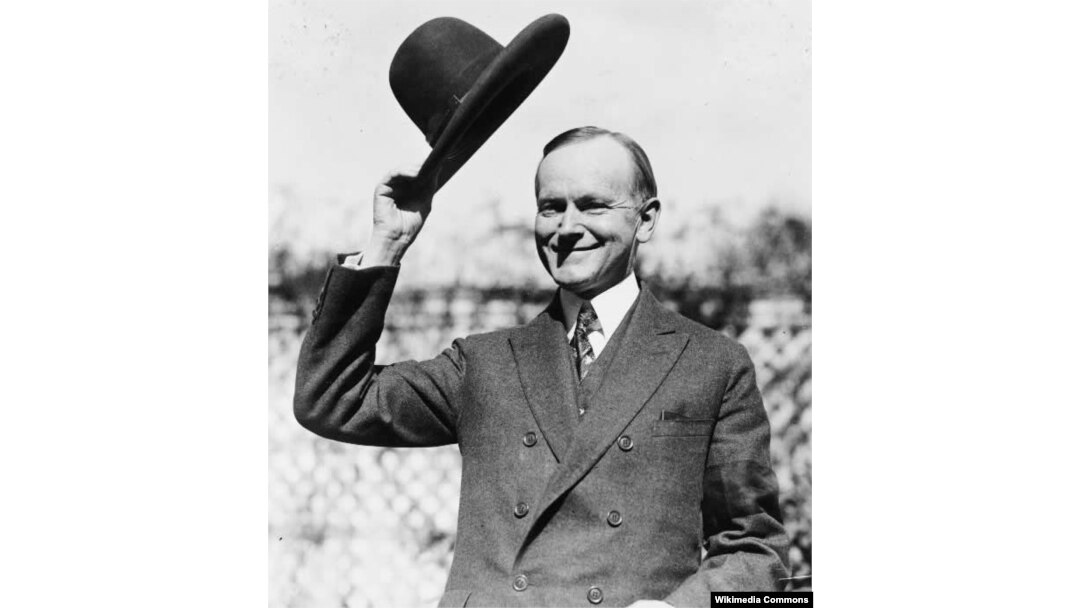
loola-games.info – Calvin Coolidge, the 30th President of the United States, is often remembered as one of the most quiet, reserved, and unassuming leaders in American history. His nickname, “Silent Cal,” stems from his famously laconic nature and preference for letting actions speak louder than words. Coolidge’s leadership style, in stark contrast to the often flashy personalities of many political figures, was defined by his unwavering commitment to fiscal conservatism, minimal government intervention, and his belief in the power of individual initiative. While Coolidge was certainly not a charismatic or highly visible figure, his uncommon wisdom shaped the nation during a critical period and left an indelible mark on American political and economic thought.

Coolidge’s presidency, which spanned from 1923 to 1929, occurred during a time of extraordinary economic prosperity, the so-called “Roaring Twenties.” Though Coolidge did not live to witness the onset of the Great Depression, his policies and leadership set the stage for much of the economic success of the 1920s, while his philosophical approach to governance influenced generations of conservatives. His wisdom—rooted in his belief in the virtues of self-reliance, limited government, and a sound economy—provides a fascinating study in leadership and governance. This article explores the uncommon wisdom of President Calvin Coolidge, shedding light on the principles that guided his presidency and how his quiet yet deliberate leadership shaped the course of American history.

The Quiet Philosopher: Coolidge’s Approach to Government

Calvin Coolidge’s political philosophy was grounded in a deep conviction that government’s primary role was to protect individual freedoms and foster a stable environment in which citizens could pursue their own happiness. His quiet demeanor was not a sign of indifference or apathy; rather, it reflected a measured and thoughtful approach to leadership. Coolidge believed that the less government interfered in people’s lives, the more they would be able to thrive. His government philosophy was rooted in classical liberalism, which emphasized the rights of individuals and the importance of personal responsibility.

Coolidge was particularly wary of excessive government intervention, which he believed could stifle the creativity and industriousness of the American people. He adhered to the principle that government should be “invisible” and limited in its actions, working only to secure the basics of national defense, enforce contracts, and maintain law and order. Beyond these foundational duties, Coolidge held that government should remain out of the way of the economy and the lives of citizens.

This perspective is best exemplified in his famous line, “The chief business of the American people is business.” Coolidge believed that the government should not intrude upon the efforts of American business and enterprise. Instead, it should create an environment conducive to innovation, where free-market principles could flourish. In his mind, the success of business would, in turn, benefit society as a whole.

Less Government, More Freedom

Coolidge’s belief in limited government was put into action through his fiscal policies, which emphasized tax cuts, reduced government spending, and a balanced budget. These policies reflected his conviction that individuals and businesses, not the government, were best suited to make decisions about how money should be spent and invested. He believed that high taxes inhibited economic growth, and that the government should not take more than necessary from the people.

His approach to spending was equally restrained. Throughout his presidency, Coolidge worked to reduce government expenditures, cutting federal spending by nearly 50% from its peak under his predecessor, Warren G. Harding. This commitment to fiscal discipline earned Coolidge respect as a financially prudent leader and is regarded as one of his most significant contributions to American governance. Coolidge’s rare combination of spending restraint and tax relief contributed to a period of economic expansion that is still remembered for its prosperity.

Coolidge’s common-sense approach to governance left an enduring impact on American political thought, particularly among conservative policymakers. His belief in the limited role of government in economic affairs became a cornerstone of modern conservatism and has influenced leaders and policymakers for decades.

The Wisdom of Economic Prosperity

The economic prosperity of the 1920s, often referred to as the “Roaring Twenties,” occurred during Coolidge’s presidency, and his leadership played a crucial role in shaping the conditions that allowed for such growth. This period of economic success stands in contrast to the economic troubles that followed his administration, but Coolidge’s approach to fiscal management contributed significantly to the nation’s economic growth.

Tax Cuts and Fiscal Conservatism

Central to Coolidge’s economic policies were his tax cuts, which were implemented in conjunction with his commitment to reducing government spending. Under his leadership, the federal government enacted several key revenue acts that lowered income tax rates, particularly for the wealthiest Americans and corporations. The Revenue Act of 1924, for example, lowered the top income tax rate from 73% to 25%. Coolidge believed that lower taxes would spur investment and stimulate economic activity, leading to greater prosperity for all.

Coolidge’s tax cuts allowed businesses to reinvest their profits into expansion and innovation, while also providing individuals with greater disposable income. The result was an era of unprecedented economic growth, during which the stock market boomed, industries expanded, and millions of Americans experienced a higher standard of living. The rising tide of prosperity, in Coolidge’s view, benefited society as a whole. While there were critics who argued that tax cuts primarily benefited the wealthy, Coolidge remained convinced that reducing the burden on businesses and investors would ultimately lead to the creation of more jobs and economic opportunities for working-class Americans.

The Role of Business and the Free Market

One of the core tenets of Coolidge’s economic philosophy was his belief in the power of business to drive economic progress. He saw American enterprise as the engine of national prosperity and viewed government intervention as a hindrance to innovation. Coolidge believed that when left to their own devices, businesses would seek to increase productivity, create jobs, and provide goods and services that contributed to the welfare of society.

Coolidge’s pro-business stance was reflected in his policies, which largely supported a hands-off approach to regulation. He believed that the best way to stimulate growth was to allow the private sector to operate with minimal interference from the government. This policy environment encouraged entrepreneurship and allowed businesses to grow and thrive. While Coolidge did acknowledge the need for basic regulation to prevent monopolies and ensure fairness, his overall approach to business was one of trust in the private sector.

The Importance of Stability

Another aspect of Coolidge’s economic wisdom was his emphasis on the importance of stability. Coolidge believed that economic stability was a necessary precondition for prosperity. He worked to ensure that the federal government operated within its means, avoiding the kinds of financial instability that could disrupt economic growth. Coolidge’s commitment to maintaining a balanced budget and reducing the national debt helped to instill confidence in the U.S. economy, making it a stable environment for investment and business expansion.

This stability was crucial in fostering the climate of optimism and prosperity that defined the 1920s. The period saw advances in technology, industry, and consumer goods, and Coolidge’s economic policies helped to create a foundation for continued growth. While this stability would ultimately be tested by the onset of the Great Depression after Coolidge left office, the lessons he imparted on fiscal responsibility and economic prudence would endure.

Silent Leadership: The Wisdom of Restraint

Coolidge’s leadership style was marked by a remarkable restraint, both in his personal demeanor and his approach to governing. Coolidge was known for his quiet, contemplative nature, and he did not believe in the need for constant public speeches or grandiose displays of power. Instead, he relied on his actions to speak for him, and his decision-making was often marked by careful deliberation.

A Man of Few Words

Coolidge’s famously brief speeches and minimalistic public persona contrasted sharply with the more theatrical styles of other political figures, yet his wisdom was evident in the effectiveness of his quiet leadership. He once said, “If you don’t say anything, you won’t be called on to repeat it.” In many ways, Coolidge embodied the notion that actions speak louder than words. His presidency was marked by an absence of the kind of political grandstanding that often characterizes the American presidency.

Despite his quiet demeanor, Coolidge was keenly aware of the power of communication. He understood the importance of public perception, but he also believed that the true measure of leadership lay in results. By focusing on policy rather than politics, Coolidge sought to lead by example and let his actions speak for themselves.

Wisdom in Leadership Decisions

In addition to his economic policies, Coolidge demonstrated wisdom in his handling of several important national issues. He was an advocate for civil rights, although his actions in this regard were often tempered by the political realities of the time. He supported anti-lynching laws, desegregation of federal offices, and equal treatment for African Americans, but he often took a cautious approach, understanding the need to balance his principles with the broader political climate.

Coolidge’s diplomatic wisdom was equally impressive. He worked to maintain peace abroad, particularly through efforts to stabilize relations with Latin American countries and reduce military spending. Coolidge was a proponent of the Kellogg-Briand Pact, which sought to renounce war as a means of resolving international disputes, though its effectiveness would later be questioned. His approach to foreign policy was grounded in pragmatism and a belief in American ideals, yet it was always measured and deliberate.

Conclusion: The Enduring Wisdom of Calvin Coolidge

Calvin Coolidge’s presidency stands as a model of uncommon wisdom—an example of leadership that prioritized fiscal responsibility, limited government, and personal liberty. His quiet approach to governance, rooted in his belief in individual initiative and economic freedom, shaped an era of prosperity in the United States. While his presidency may not have been marked by the flashy rhetoric of his predecessors or successors, Coolidge’s actions and policies continue to resonate as a lesson in prudence, discipline, and restraint.

Today, Coolidge is often viewed as a leader who was ahead of his time—a man who understood the importance of economic stability, individual freedom, and a limited role for government in fostering prosperity. His belief in the power of the American people to shape their own futures, without the heavy hand of government intervention, remains a touchstone for conservative thought and governance.

Coolidge’s legacy, built on his wisdom and steadfast commitment to principles of fiscal conservatism and personal freedom, endures as a model of leadership that speaks volumes, even in its silence.

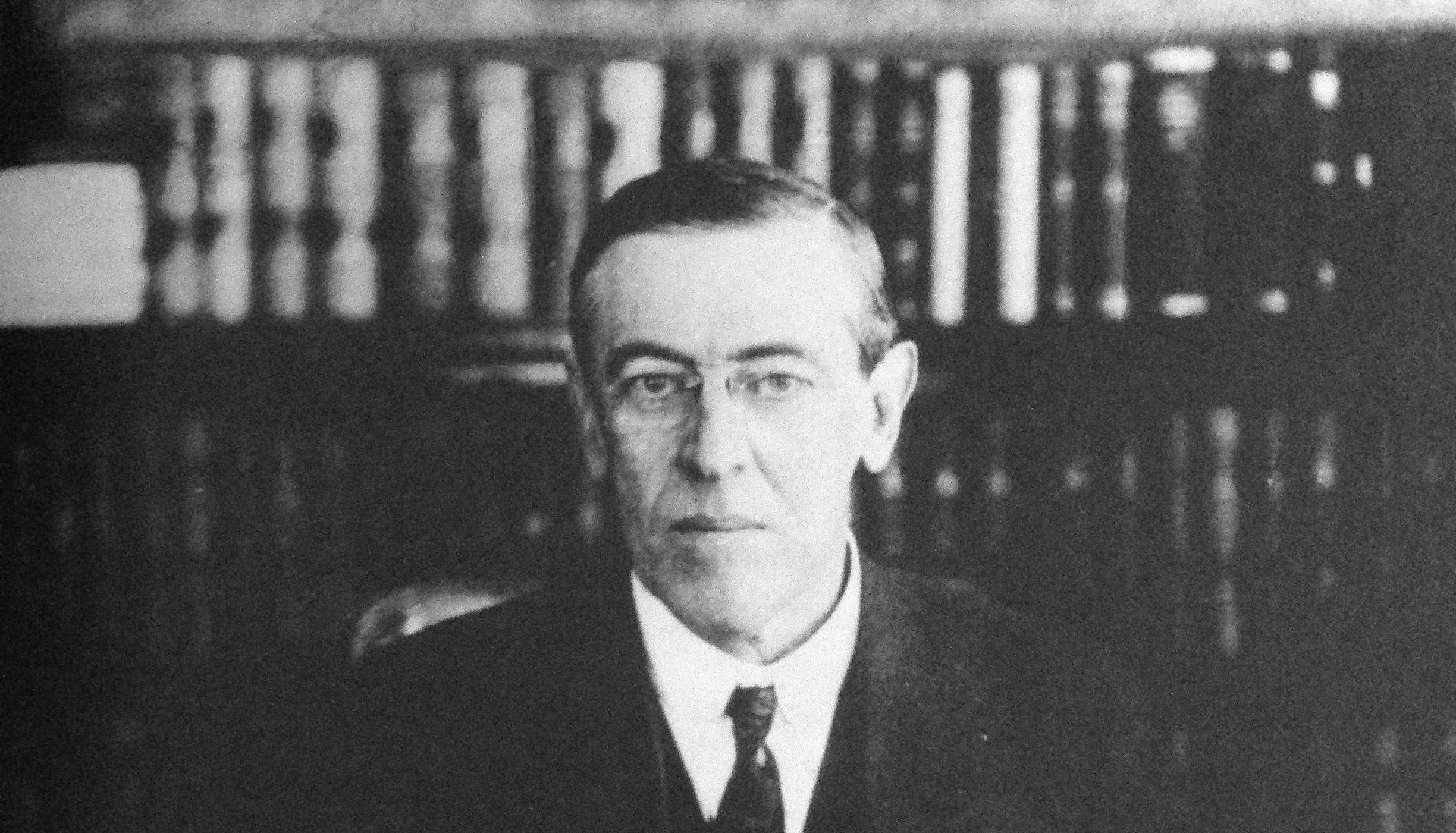
Woodrow Wilson and the Evolution of American Foreign Policy

loola-games.info – Woodrow Wilson’s presidency, which spanned from 1913 to 1921, marked a defining moment in the evolution of American foreign policy. As the 28th president of the United States, Wilson redefined the nation’s role in the world and navigated the country through the global turmoil of World War I. His vision of America’s place in the world was influenced by his progressive ideals, moral diplomacy, and idealistic belief in spreading democracy. Yet, Wilson’s foreign policy was also shaped by the practical realities of international politics, the complex nature of European alliances, and the growing power of the United States on the global stage.

Wilson’s approach to foreign policy reflected a departure from the isolationist tradition that had characterized much of the 19th century. His presidency marked a shift toward more active engagement in global affairs, as he sought to assert the United States’ influence in shaping both regional and global peace. However, Wilson’s idealism was not always in sync with the challenges and complexities of international relations, and his efforts to shape a new world order were sometimes thwarted by political opposition at home and resistance from foreign powers abroad.

This article explores the evolution of Woodrow Wilson’s foreign policy, from his early principles of moral diplomacy to his involvement in World War I, the formulation of the Fourteen Points, and his efforts to create the League of Nations. It examines the challenges he faced in reconciling his ideals with the practical realities of diplomacy, and how his legacy reshaped the course of American foreign policy for generations.

Early Foundations: Wilson’s Moral Diplomacy

Moral Diplomacy: A New Approach to International Relations

When Wilson assumed office in 1913, the United States had largely adhered to an isolationist foreign policy, avoiding deep entanglements in European conflicts and limiting its role in international affairs. However, Wilson was committed to challenging this traditional approach. He rejected the realpolitik approach of previous presidents such as Theodore Roosevelt and William Howard Taft, who had been willing to use military force and imperialistic tactics to protect American interests abroad.

Wilson introduced a new philosophy of foreign policy known as “moral diplomacy”. This concept was rooted in Wilson’s belief that the United States should use its power and influence in the world not for personal or economic gain, but to promote democracy, human rights, and justice. He believed that American diplomacy should be grounded in ethical principles and that the United States had a duty to promote democratic governments, particularly in Latin America and the Caribbean.

One of Wilson’s earliest acts of moral diplomacy came in Mexico. When Mexican President Victoriano Huerta seized power in 1913 following a coup, Wilson refused to recognize the legitimacy of his government, calling it “a government of butchers.” Wilson sought to promote democracy in Mexico by supporting the anti-Huerta forces, leading to American involvement in the Mexican Revolution. Although Wilson was committed to promoting democratic values, his intervention in Mexico was controversial and, in some ways, reflected the complexity of Wilson’s foreign policy—his moral idealism clashed with the pragmatic realities of intervention.

Interventions in Latin America

Wilson’s policies in Latin America also saw further manifestations of moral diplomacy. In countries like Haiti and the Dominican Republic, Wilson justified military interventions as a means of stabilizing governments and promoting democracy, often citing the need to prevent European intervention in the Western Hemisphere under the Monroe Doctrine. However, these interventions were frequently viewed as imperialistic by Latin Americans, who saw them as attempts to impose U.S. control in the region.

Wilson’s administration engaged in a series of military occupations in the Caribbean and Central America, including Haiti (1915) and the Dominican Republic (1916). These interventions were aimed at maintaining stability and ensuring that U.S. interests—such as access to trade routes, resources, and maintaining political influence—were protected. Despite Wilson’s stated commitment to moral diplomacy, these actions often resulted in the suppression of local populations and the imposition of American control over sovereign nations.

Thus, while Wilson espoused a moral approach to diplomacy, his actions in Latin America revealed the limits of his idealism. Interventions in the region underscored the tension between Wilson’s professed values and the national interests that often dictated his policies.

World War I: The Shift from Neutrality to Engagement

The Neutrality Dilemma

Wilson’s foreign policy was largely defined by his initial commitment to neutrality during the outbreak of World War I in 1914. Despite the fact that European powers had plunged into a brutal conflict, Wilson believed that the United States should remain uninvolved and focus on domestic reforms. The war, for Wilson, represented a European conflict, and he argued that America’s role should be to remain neutral while continuing to trade with all sides.

However, Wilson’s position of neutrality was challenged by a number of factors. The German submarine campaign, which targeted neutral ships—including American merchant vessels—was one of the main reasons for a shift in U.S. policy. The sinking of the Lusitania in 1915, which killed 128 Americans, further inflamed American public opinion against Germany. In addition, British naval blockades of German ports affected American trade, further complicating Wilson’s stance of neutrality.

Entering the War: The Moral Justification

In April 1917, after years of attempting to mediate a peace settlement, Wilson finally asked Congress to declare war on Germany. His justification for entering the war was moral: Wilson argued that the United States needed to fight to “make the world safe for democracy.” He framed the war as a battle between autocratic and democratic nations, positioning the United States as a champion of freedom and justice on the global stage.

Wilson’s decision to enter the war was not universally popular, and many Americans, particularly those with German and Irish roots, opposed intervention. However, Wilson’s speeches and his framing of the war as a crusade for democracy garnered significant support, and he was able to rally the nation behind the cause.

The Fourteen Points: Wilson’s Vision for a Post-War World

As the war continued, Wilson sought to shape the post-war settlement through his Fourteen Points, a set of principles he outlined in January 1918. The Fourteen Points included provisions for open diplomacy, freedom of the seas, free trade, and the creation of a League of Nations that would mediate international disputes and promote collective security.

Wilson’s vision for a just and lasting peace was in stark contrast to the punitive approach that was being advocated by the European powers, particularly France and Britain. Wilson believed that the war’s aftermath should not focus on revenge or territorial gain but on establishing a framework for peace based on international cooperation and self-determination.

However, when the war ended and the Treaty of Versailles was negotiated, Wilson’s idealism collided with the realpolitik of the European powers. Although his League of Nations was included in the treaty, many of his other points, such as self-determination for various peoples, were either compromised or ignored. The treaty imposed harsh reparations on Germany, and many of Wilson’s vision for a peaceful, democratic world order was diluted by the competing interests of the victorious powers.

The League of Nations and the Battle for American Involvement

The League of Nations: Wilson’s Greatest Ambition

Wilson’s most ambitious foreign policy initiative was the creation of the League of Nations, an international organization aimed at ensuring collective security and preventing future conflicts. The League was a cornerstone of Wilson’s Fourteen Points and reflected his idealistic belief in international cooperation.

The League’s primary goal was to provide a forum for nations to resolve disputes peacefully and prevent the escalation of conflicts into full-scale wars. Wilson believed that the United States, as the world’s leading democratic power, had a responsibility to be at the center of this effort.

The Senate Rejection and the Failure of the League

Despite Wilson’s efforts to sell the League to the American public, the U.S. Senate rejected the Treaty of Versailles and, by extension, American membership in the League of Nations. Senate opponents, led by Republican leaders such as Henry Cabot Lodge, argued that joining the League would entangle the United States in international conflicts and undermine its sovereignty. The Senate’s refusal to ratify the treaty was a devastating blow to Wilson’s vision and left the League without the participation of the United States, one of the world’s most powerful nations.

Wilson’s health, which had deteriorated during the war, further hampered his ability to secure support for the treaty. His failure to bring the treaty to fruition marked the beginning of a period of isolationism in U.S. foreign policy, as the country retreated from international affairs and sought to focus on domestic concerns.

The Evolution of Wilson’s Foreign Policy: A Legacy of Idealism and Realism

Woodrow Wilson’s foreign policy represented a significant shift in the United States’ approach to global diplomacy. While he entered office as an advocate of neutrality and moral diplomacy, the realities of global conflict and the rise of the United States as a global power pushed him toward a more active role on the world stage.

Wilson’s legacy in American foreign policy is marked by a tension between his idealism and the political realities he faced. His efforts to promote democracy, prevent war, and create international institutions like the League of Nations laid the groundwork for future American diplomacy. However, his idealistic vision was often challenged by the complexities of international relations, and his failure to secure U.S. participation in the League of Nations marked the limits of his influence.

Ultimately, Wilson’s foreign policy shifted American foreign relations toward a more interventionist approach, even as it remained tethered to the ideals of democracy and international cooperation. His presidency represents both the high aspirations and the contradictions of American foreign policy, and his influence is still felt in debates over U.S. involvement in global affairs.

The Roosevelt Revolution: Politics and the Pursuit of Progress

loola-games.info – Theodore Roosevelt, the 26th President of the United States, is remembered as one of the most dynamic, transformative, and charismatic leaders in American history. His presidency marked a pivotal moment in the nation’s development, where politics, power, and progress intertwined to reshape the American political and social landscape. Roosevelt’s administration ushered in an era of reform, economic innovation, and global engagement, which became known as the Roosevelt Revolution. Through his bold leadership, Roosevelt redefined the role of the presidency, elevated the power of the federal government, and confronted the challenges of an industrializing nation.

The Roosevelt Revolution is often understood not just as a series of policies or achievements, but as a fundamental shift in the way Americans viewed their government and their role in shaping the future of their country. His revolution was built on the ideals of progressivism, a belief that government intervention could and should address the challenges of industrialization, protect the welfare of citizens, and foster fairness and opportunity in society. Roosevelt’s bold reforms and his approach to governance left a lasting legacy and laid the groundwork for future political movements in the United States.

This article explores the various aspects of Theodore Roosevelt’s revolution—his transformative political leadership, his bold use of power, and his commitment to progress—and examines how his presidency changed the trajectory of American politics and the pursuit of the American Dream.

The Rise of Theodore Roosevelt: A Champion for Change

A Political Outsider Who Became a Political Powerhouse

Theodore Roosevelt’s rise to political prominence was anything but conventional. Born into a wealthy New York family in 1858, Roosevelt was initially seen as an outsider in the world of American politics. His early career was shaped by his restless energy, intellectual curiosity, and an early commitment to public service. After earning a degree from Harvard University, Roosevelt entered New York politics, eventually serving as a state assemblyman, police commissioner, and assistant secretary of the navy.

However, it was his time as governor of New York (1899-1900) that marked the beginning of his political revolution. Roosevelt’s progressive stance on issues like corruption, labor rights, and economic inequality earned him both admiration and criticism. He was not afraid to take on powerful political machines, such as the political establishment in New York City, and challenged the corporate elites that had long controlled the state’s economy.

When President William McKinley was assassinated in 1901, Roosevelt unexpectedly found himself in the White House at the age of 42. He became the youngest president in American history, and in doing so, he brought with him a new vision for the country. His presidency represented a break from the past, ushering in a new era of government activism and reform. Roosevelt’s revolution in politics was not merely a shift in party ideology; it was a total reimagining of how politics could serve the people.

The Roosevelt Revolution in Action: Power, Progress, and Reform

The Expansion of Presidential Power

One of the defining features of Roosevelt’s presidency was his belief in expanding the power of the executive branch. Roosevelt saw the presidency as a “bully pulpit”—a platform from which he could promote his policies and rally the American people to support his progressive agenda. Roosevelt was a firm believer in using the powers of the federal government to tackle the challenges of industrialization, inequality, and social injustice.

During his presidency, Roosevelt took an active role in shaping legislation, engaging in public policy debates, and using his influence to address pressing national issues. He expanded the role of the federal government in ways that had not been seen before. Roosevelt’s bold use of presidential power set the tone for future presidents and marked a new era in American politics. His willingness to act decisively, without waiting for Congress or special interests, allowed him to push through key reforms that helped to address the problems of a rapidly changing society.

One of Roosevelt’s most significant expansions of presidential power came through his use of executive orders to address key issues, such as the protection of public lands and the regulation of corporate monopolies. Roosevelt understood that to create lasting change, he needed to use the full extent of his presidential authority. His actions were often seen as controversial, but they were effective in achieving his goals of progressive reform and greater government intervention in society.

Trust-Busting and the Regulation of Big Business

At the heart of the Roosevelt Revolution was the battle against corporate monopolies that had come to dominate the economy in the late 19th and early 20th centuries. Roosevelt, a firm believer in competition and fairness, sought to break up large trusts and monopolies that he believed were stifling innovation and exploiting workers and consumers.

Roosevelt’s approach to trust-busting was to use the Sherman Antitrust Act of 1890, which was designed to prevent anti-competitive practices, to challenge the power of monopolies. Under his leadership, the federal government brought lawsuits against several powerful companies, including Standard Oil and the Northern Securities Company, effectively dismantling their monopolistic control over key industries. Roosevelt’s actions were groundbreaking, as they marked the first time that the government had taken direct action against corporate giants on such a large scale.

Roosevelt’s trust-busting efforts were not just about breaking up monopolies; they were about creating a more equitable economic system where ordinary Americans could have a fair shot at success. Roosevelt believed that the unchecked power of big business was detrimental to the American Dream, and he sought to restore balance and opportunity by ensuring that corporations did not have an unfair advantage over consumers and small businesses.

Labor Rights and the Progressive Reforms

Another key aspect of the Roosevelt Revolution was the push for labor rights and social reforms that would improve the lives of ordinary Americans. Roosevelt recognized that industrialization had brought tremendous wealth to the country, but it had also created deep inequalities and exposed workers to harsh and dangerous working conditions. Roosevelt’s progressive vision was centered on the belief that the government had a responsibility to protect workers, ensure fair wages, and create a more just society.

One of Roosevelt’s most significant achievements was his role in resolving the 1902 Coal Strike, a conflict between mine workers and owners in Pennsylvania. Roosevelt’s intervention in the strike marked the first time that a sitting president had intervened directly in a labor dispute to protect workers’ rights. Roosevelt helped broker a compromise that resulted in a pay increase and better working conditions for miners, while also securing a guarantee of fair treatment for employers. The resolution of the Coal Strike was a significant victory for organized labor and reinforced Roosevelt’s reputation as a champion for workers’ rights.

In addition to labor reforms, Roosevelt pushed for legislation that improved food safety and consumer protections. The Pure Food and Drug Act and the Meat Inspection Act of 1906 were landmark pieces of legislation that sought to ensure the safety and quality of food products. Roosevelt’s advocacy for these reforms reflected his broader commitment to public welfare and his belief that government intervention was necessary to protect consumers from unscrupulous business practices.

Environmental Conservation: A Legacy of Preservation

Roosevelt’s commitment to the environment and conservation was another hallmark of his revolution. As president, he recognized the importance of preserving the nation’s natural resources for future generations. At a time when industrialization and urbanization were rapidly transforming the landscape, Roosevelt believed that it was the government’s responsibility to protect the environment from unchecked exploitation.

One of Roosevelt’s most enduring legacies is his work in creating the modern conservation movement. He established the U.S. Forest Service in 1905 and signed into law the Antiquities Act of 1906, which allowed the president to create national monuments and protect public lands. Roosevelt expanded the national park system, setting aside millions of acres of land for conservation and public enjoyment.

Roosevelt’s conservation efforts reflected his belief that nature was an essential part of the American Dream and that future generations should have the opportunity to experience the country’s natural beauty. His work laid the foundation for the modern environmental movement and ensured that the nation’s natural resources would be protected for years to come.

Global Diplomacy: The “Big Stick” and the Pursuit of Peace

Roosevelt’s revolution was not limited to domestic politics; it extended to the international stage as well. His approach to foreign policy, often referred to as Big Stick Diplomacy, emphasized the need for the United States to assert itself as a global power while simultaneously advocating for peace and diplomacy.

Roosevelt believed that the U.S. should not shy away from using its military strength to protect its interests but also sought to resolve conflicts through negotiation and diplomacy. His most notable achievement in this regard was his role in mediating the end of the Russo-Japanese War in 1905, for which he won the Nobel Peace Prize. Roosevelt’s involvement in the peace talks earned him international recognition and cemented his reputation as a statesman capable of balancing power with diplomacy.

Roosevelt’s diplomatic efforts also included the construction of the Panama Canal, a project that connected the Atlantic and Pacific Oceans and revolutionized global trade. The canal symbolized Roosevelt’s commitment to expanding American influence and ensuring that the U.S. could play a key role in global affairs.

The Enduring Impact of the Roosevelt Revolution

Theodore Roosevelt’s presidency marked a revolution in American politics—a revolution built on the principles of progressivism, social justice, and active government intervention in society. His bold use of power, his commitment to reform, and his focus on the welfare of ordinary Americans reshaped the country’s political and social landscape, leaving a legacy that continues to influence American politics today.

Roosevelt’s revolution fundamentally changed the way Americans viewed the role of the federal government. He expanded the power of the presidency and demonstrated that the government could be a force for good, addressing the needs of workers, consumers, and the environment. His progressive reforms laid the groundwork for future social and economic policies and set the stage for the rise of the New Deal in the 1930s.

The Roosevelt Revolution also solidified the idea that the United States could be both a powerful nation and a force for peace in the world. Roosevelt’s foreign policy achievements, including his efforts in mediation and diplomacy, showed that the U.S. could assert its power while also promoting global stability.

In the end, Theodore Roosevelt’s revolution was not just about political change—it was about shaping a new vision of the American Dream. His vision of a fair, just, and progressive society, where opportunity was available to all, continues to inspire generations of Americans. The Roosevelt Revolution was a turning point in the nation’s history, one that helped to redefine the very nature of American politics, power, and progress.

Benjamin Harrison’s Environmental Legacy: National Parks

loola-games.info – Benjamin Harrison, the 23rd president of the United States, often finds himself overshadowed by other major figures in American history. However, his administration, which spanned from 1889 to 1893, was marked by significant contributions to the environmental movement and the preservation of the nation’s natural resources. One of Harrison’s most enduring legacies is his role in the establishment of national parks and the conservation of public lands. While Harrison is not often remembered as an environmental leader, his policies laid the groundwork for the modern national park system and influenced the broader movement toward environmental preservation that would gain momentum in the 20th century.

In this article, we will explore Benjamin Harrison’s environmental legacy, focusing on his efforts to establish national parks, his advocacy for the protection of public lands, and the lasting impact of his administration on America’s environmental policies.

The Context of Environmental Conservation in the Late 19th Century

A Growing Awareness of Environmental Issues

The late 19th century was a time of rapid industrialization, urbanization, and westward expansion in the United States. As the country grew, there was increasing concern about the destruction of natural landscapes and the depletion of natural resources. The rise of large-scale farming, logging, mining, and railroad construction led to widespread environmental degradation, especially in the western United States.

At the same time, the idea of conservation began to take root in American society. Public figures like John Muir, the naturalist and founder of the Sierra Club, were advocating for the protection of the country’s natural wonders and wilderness areas. Muir, in particular, argued that the beauty and grandeur of nature should be preserved for future generations, and he pushed for the establishment of national parks to protect these treasures from exploitation.

The late 19th century also saw the rise of the conservation movement, which sought to balance the demands of industrial development with the need to protect natural resources. Organizations like the National Audubon Society and the American Forestry Association were at the forefront of efforts to preserve the environment and promote sustainable land use. These movements provided the intellectual and political groundwork for the policies that would be implemented during Harrison’s presidency.

The Role of the U.S. Government

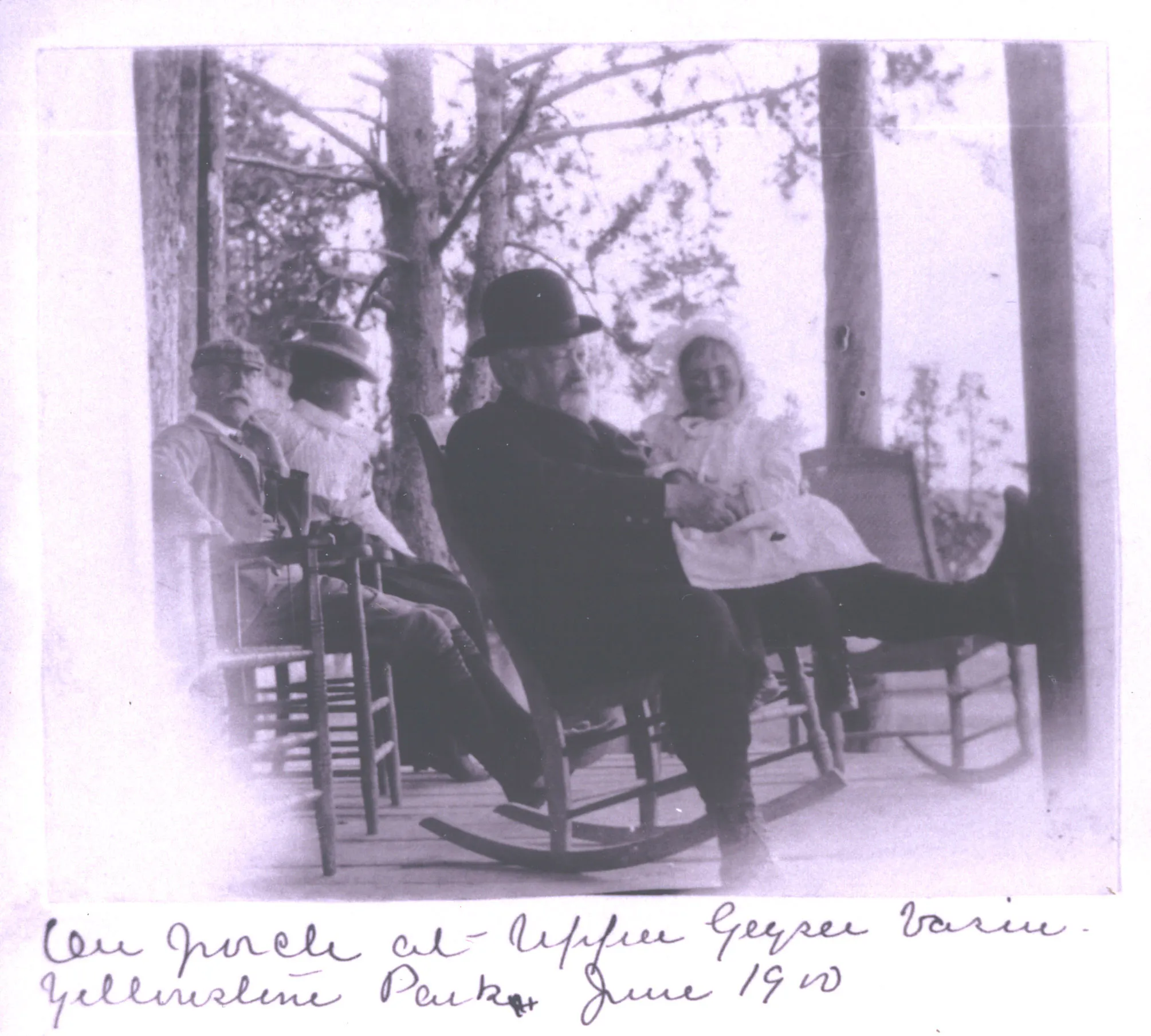
By the time Harrison assumed office in 1889, the federal government had already taken some steps toward protecting natural resources. In 1872, Ulysses S. Grant had signed the Yellowstone National Park Protection Act, establishing Yellowstone National Park in Wyoming, Montana, and Idaho as the first national park in the world. This landmark decision set a precedent for the idea of national parks as protected areas for public enjoyment and the preservation of natural beauty.

However, the establishment of national parks was still a relatively new concept, and much of the American wilderness remained vulnerable to exploitation. During Harrison’s presidency, the federal government faced growing pressure to address the need for further conservation and protection of the country’s landscapes. It was within this context that Harrison made his mark on environmental policy.

Benjamin Harrison’s Environmental Agenda

The Creation of National Parks

One of Benjamin Harrison’s most notable achievements in the realm of environmental policy was his role in the expansion of the national park system. During his administration, Harrison signed into law several pieces of legislation that created or expanded national parks, setting the stage for the future development of the U.S. national park system.

The Establishment of National Parks

In 1891, one of the most significant acts of Harrison’s presidency was the Forest Reserve Act, which allowed the president to set aside public lands as forest reserves to be managed by the federal government. This act enabled the president to designate large tracts of land as protected areas, making it one of the most important conservation measures of the era. Harrison used the authority granted by the Forest Reserve Act to establish numerous forest reserves, many of which would later become part of the national park system.

The Forest Reserve Act was a bold step forward in the effort to preserve America’s wilderness. It was an early attempt to regulate the use of public lands, and it paved the way for the future creation of national parks and monuments. Harrison’s use of the Forest Reserve Act was not just about protecting the land from immediate exploitation; it was also a recognition of the importance of preserving these areas for future generations.

Harrison’s administration saw the creation of several significant national parks and forest reserves. These included:

  1. Yosemite National Park (1890): While President Harrison did not directly create Yosemite National Park, he did play a role in its expansion. Yosemite was initially established as a state park in 1864, but in 1890, it became a national park, thanks to Harrison’s support for its federal protection. The park, located in California’s Sierra Nevada mountains, was one of the most iconic landscapes in the United States, and its protection was a major victory for conservationists.

  2. Sequoia National Park (1890): In 1890, Harrison signed legislation that established Sequoia National Park in California, which protected the famous giant sequoia trees—some of the largest and oldest trees in the world. The establishment of Sequoia marked the beginning of a concerted effort to protect the country’s unique natural wonders.

  3. Olympic National Park (1893): In the final days of Harrison’s presidency, he signed an executive order to establish the Olympic Forest Reserve in the Olympic Peninsula of Washington State. This reserve would later be designated as Olympic National Park and is known for its diverse ecosystems and stunning landscapes, ranging from rugged coastlines to alpine forests.

  4. Other Forest Reserves: Harrison’s use of the Forest Reserve Act resulted in the creation of dozens of forest reserves across the western United States. Many of these reserves, including those in the Rocky Mountains and the Pacific Northwest, would eventually be designated as national parks or national forests, further expanding the federal government’s role in land conservation.

The Protection of Wildlife and Natural Resources

While Harrison’s most tangible contributions to environmental conservation came through the creation of national parks, he also understood the importance of wildlife preservation and the sustainable management of natural resources. During his time in office, Harrison supported the protection of wildlife populations and the regulation of activities such as hunting and fishing, which had been contributing to the depletion of species.

The growing interest in wildlife preservation was part of a broader shift in public attitudes toward nature. The idea that nature should be conserved not just for its beauty but also for the biodiversity it supported was gaining traction. Harrison’s administration contributed to this shift by supporting policies that aimed to protect wildlife habitats and regulate the exploitation of natural resources.

Harrison’s Legacy in Environmental Conservation

The Influence on Future Administrations

Benjamin Harrison’s environmental policies helped set the stage for the more comprehensive conservation efforts of the 20th century. Harrison’s emphasis on national parks and forest reserves directly influenced the administration of Theodore Roosevelt, who would become president in 1901. Roosevelt, widely regarded as one of the greatest conservation presidents, expanded the national park system even further, creating numerous new parks, monuments, and national forests. However, it is important to recognize that Roosevelt’s conservation achievements were built upon the groundwork laid by Harrison and earlier conservationists.

Roosevelt himself acknowledged the importance of Harrison’s contributions to the conservation movement. In fact, many of the forest reserves established by Harrison would later become part of the U.S. Forest Service, an agency that was expanded and strengthened under Roosevelt’s leadership. Roosevelt also used the powers granted by the Antiquities Act of 1906 to establish national monuments, further expanding the scope of federal land preservation.

The Long-Term Impact on America’s National Park System

Benjamin Harrison’s actions during his presidency were pivotal in expanding and solidifying the foundation of America’s national park system. The national parks and forest reserves he helped create were integral to the development of the U.S. government’s conservation policy, which would later flourish under Roosevelt and successive presidents.

Harrison’s environmental legacy is also evident in the way national parks have come to symbolize the nation’s commitment to preserving its natural beauty for future generations. The parks that were created under Harrison’s watch—Yosemite, Sequoia, and others—remain some of the most beloved and visited national parks today. These parks are a testament to the foresight and dedication of a president who recognized the importance of conservation long before it became a mainstream issue.

Conclusion: The Enduring Legacy of Benjamin Harrison

Benjamin Harrison may not be remembered as one of the most prominent figures in the history of environmental conservation, but his contributions to the preservation of America’s natural heritage were undeniably significant. Through his advocacy for national parks, the establishment of forest reserves, and his support for wildlife protection, Harrison helped shape the environmental policies that would define the future of the United States.

Harrison’s legacy is a reminder that environmental conservation is not the work of one individual or one administration—it is a long-term effort that requires vision, commitment, and action. The national parks and protected lands that Harrison helped establish continue to provide environmental, recreational, and educational benefits to the American people, and they stand as a testament to his enduring commitment to preserving the country’s natural treasures.

Chester A. Arthur and Civil Service Reform: A Surprising Legacy

loola-games.info – Chester A. Arthur, the 21st president of the United States, is often remembered for his unexpected transformation from a political boss deeply entrenched in the spoils system to a reform-minded leader who championed one of the most significant legislative changes in American government history: the Pendleton Civil Service Reform Act. Known more for his association with political patronage than for progressive action, Arthur’s presidency has traditionally been seen as a mere interlude in the Gilded Age, overshadowed by larger-than-life figures like Theodore Roosevelt and Grover Cleveland. However, a closer examination of Arthur’s time in office reveals a complex, evolving character who played a critical role in reshaping the federal workforce.

Arthur’s unexpected support for civil service reform, which sought to curb the patronage system that had long governed political appointments, is a central part of his legacy. Although he began his political career as a key figure in New York’s political machine, his presidency saw a remarkable shift toward reform that had long-term consequences for the structure of American government. In this article, we will explore how Arthur’s career unfolded against the backdrop of the Gilded Age’s political corruption, how he came to champion civil service reform, and the legacy of his actions in modern American government.

Chester A. Arthur: From Political Boss to President

Early Life and Political Beginnings

Born on October 5, 1829, in Fairfield, Vermont, Chester Alan Arthur came from humble beginnings. The son of a Baptist minister, Arthur’s family moved frequently during his childhood, and he attended various schools before eventually enrolling at Union College in Schenectady, New York. A bright student, Arthur graduated near the top of his class in 1848. He went on to study law, establishing a successful legal career in New York City.

In the 1850s and 1860s, New York’s political landscape was dominated by powerful political machines, particularly those aligned with figures like William “Boss” Tweed and Roscoe Conkling. It was within this context that Arthur’s political career took shape. Although Arthur initially entered politics as a lawyer and advocate for civil rights, his ambitions led him to become increasingly involved in the political patronage system.

Ties to the Spoils System and Political Patronage

Arthur’s most significant early political position was as the Collector of the Port of New York, a post he was appointed to in 1871 by President Ulysses S. Grant. In this role, Arthur controlled an important position within the political machine, distributing lucrative federal jobs to loyal supporters. The job had long been seen as a key mechanism for rewarding political allies with well-paying government jobs, a practice that was central to the spoils system that dominated American politics at the time.

At the time, the spoils system was a deeply ingrained practice in both major political parties, but it was particularly prominent among the Republicans, especially in New York. Arthur was a prominent figure in the Stalwart faction of the Republican Party, which was led by Senator Roscoe Conkling. The Stalwarts were staunch defenders of the spoils system, and they resisted any attempts to reform the system or institute merit-based hiring. Arthur’s ties to the Stalwarts and his role in the patronage system made him a figure closely associated with political corruption, which was rampant in the Gilded Age.

The Unexpected Vice Presidency

In 1880, Chester A. Arthur was selected as the Republican vice-presidential nominee, alongside presidential candidate James A. Garfield. The nomination was part of a political maneuver by Conkling, who hoped that Arthur’s selection would solidify Stalwart control over the Republican Party. Arthur’s ties to the political machine were well known, and his nomination was viewed by many as an attempt to placate the Stalwarts, who were in conflict with the more reform-minded faction of the Republican Party known as the Half-Breeds.

Garfield won the election, and Arthur became vice president. At the time, few expected Arthur to play any significant role in the administration. However, just months into Garfield’s presidency, the nation was shocked by an assassination attempt on the president by Charles Guiteau. Garfield died from his wounds in September 1881, and Arthur, unexpectedly, ascended to the presidency.

The Surprising Turn Toward Civil Service Reform

Political Context and Growing Public Outcry

At the time of Arthur’s ascension to the presidency, the U.S. government was rife with corruption. The spoils system was a key aspect of this corruption, as federal jobs were awarded based on political loyalty rather than merit or qualifications. The practice had resulted in widespread inefficiency, patronage abuse, and a lack of accountability in government. In response to the growing public demand for reform, many political leaders, including Arthur, found themselves under increasing pressure to address these issues.

Though Arthur’s early political career had been defined by his association with the spoils system, his presidency saw a dramatic shift in his approach to government. Recognizing the need for reform, Arthur began to distance himself from the patronage system that had been so central to his rise. This shift was not an easy one, as Arthur faced fierce opposition from many of his former allies in the Stalwart faction, who sought to maintain the patronage system.

Arthur’s transition toward supporting civil service reform was driven by both political pragmatism and a genuine desire to modernize the federal government. He understood that in order to restore public trust in the government and improve its efficiency, a new system of merit-based appointments was necessary.

The Pendleton Civil Service Reform Act

The key piece of legislation that defined Arthur’s presidency was the Pendleton Civil Service Reform Act, signed into law in 1883. The Pendleton Act marked a historic departure from the patronage system and established the foundation for a merit-based system of hiring federal employees. The law created the Civil Service Commission, which was tasked with overseeing the examination process for government jobs and ensuring that candidates were hired based on their qualifications rather than political connections.

The Pendleton Act applied to about 10% of federal government jobs initially, but it laid the groundwork for future expansions of the merit system. Over time, the law would expand to cover more positions and would help create a more professional, nonpartisan federal workforce.

Arthur’s decision to champion the Pendleton Act was a remarkable one, given his earlier ties to the political machine. His support for the law was, in many ways, an acknowledgment of the growing demands for change and an acceptance of the need for reform in the face of political realities. Arthur’s unexpected embrace of civil service reform marked one of the most significant moments of his presidency and cemented his legacy as a president who, despite his early connections to corruption, helped reshape the U.S. government.

The Political Fallout and Legacy of the Pendleton Act

Although the Pendleton Act was a significant step forward in government reform, it was not without controversy. Many Stalwarts, including some of Arthur’s old allies, opposed the measure, fearing that it would weaken their power and diminish their control over patronage jobs. In fact, Arthur’s support for the Pendleton Act led to a temporary split between him and Conkling, who was a staunch defender of the spoils system.

Despite the opposition from his former allies, Arthur pushed forward with the reform, and the Pendleton Act was passed with broad bipartisan support. The law had immediate and long-term effects on American government, helping to create a more efficient, professional federal workforce that was less susceptible to political influence. Over time, the merit-based system established by the Pendleton Act would become a central feature of the U.S. government, reducing the power of political machines and ensuring that federal employees were hired based on their abilities rather than their political connections.

Arthur’s support for civil service reform not only improved the efficiency of the federal government but also helped to reduce the corruption that had plagued the nation for decades. His legacy as a reformer is often overlooked, but the Pendleton Act remains one of the most important legislative achievements of the Gilded Age.

Other Achievements and the Modernization of America

While civil service reform was the defining achievement of Chester A. Arthur’s presidency, he also made significant strides in other areas. One of his key accomplishments was his efforts to modernize the U.S. Navy. Arthur understood that the growing power of foreign nations required a strong American naval presence, and he oversaw the development of new ships, including steel-hulled vessels, which were more advanced than anything the U.S. had previously used. This modernization laid the foundation for the Navy’s expansion in the years to come.

Arthur also worked on expanding the nation’s infrastructure, overseeing the completion of the transcontinental railroad and improvements to the nation’s transportation systems. These efforts were crucial for the continued growth of the U.S. economy, facilitating trade and communication across vast distances.

Conclusion: The Surprising Legacy of Chester A. Arthur

Chester A. Arthur’s presidency is a testament to the potential for political transformation, even for individuals who start their careers deeply embedded in the machinery of political patronage. His unexpected embrace of civil service reform and his support for the Pendleton Act marked a dramatic departure from his earlier associations with political corruption. By the end of his presidency, Arthur had solidified his legacy as a surprising advocate for change, one who reshaped the federal workforce and helped reduce the grip of political machines on the U.S. government.

Arthur’s presidency, though brief, demonstrated that even in an era known for its political corruption and inefficiency, real change was possible. His surprising legacy as a reformer highlights the complexities of his character and the unpredictable nature of American political history. Today, Chester A. Arthur is increasingly recognized for his role in the transformation of the U.S. government, and his actions in support of civil service reform continue to have a lasting impact on the functioning of the federal government.

Rutherford B. Hayes: The Controversial Election of 1876

loola-games.info – The election of 1876 stands as one of the most contentious and controversial in the history of the United States. It was a contest marked by electoral fraud, a contested outcome, and political deals that would leave an indelible mark on the nation’s history. Rutherford B. Hayes, the Republican candidate, ultimately emerged victorious in one of the most disputed elections ever held, but the road to his presidency was far from smooth. The election of 1876 tested the very foundations of American democracy and demonstrated the deep divisions that continued to exist in the country in the aftermath of the Civil War and Reconstruction.

At the heart of the controversy was the bitter rivalry between Hayes, the governor of Ohio, and Samuel J. Tilden, the Democratic governor of New York. The election was marred by allegations of voter fraud, irregularities in vote counting, and accusations of disenfranchisement of African Americans in Southern states. As the results hung in the balance, a series of political compromises and backroom deals culminated in a decision that would shape the future of the United States. In this article, we will explore the events surrounding the 1876 election, the factors that made it so controversial, and how Rutherford B. Hayes ultimately became the 19th President of the United States.

Background: The Post-Civil War Political Landscape

Reconstruction and Its Challenges

By 1876, the United States was in the midst of the Reconstruction era, a period that followed the Civil War and aimed to rebuild the South, reintegrate former Confederate states into the Union, and secure the civil rights of newly freed African Americans. However, Reconstruction was deeply divisive, particularly in the South, where many white Southerners resisted the federal government’s efforts to implement civil rights protections for African Americans. The government had placed federal troops in the South to enforce Reconstruction policies, but by the mid-1870s, public support for Reconstruction had begun to wane.

The Republican Party, which had led the charge for Reconstruction and civil rights, faced growing opposition from Southern Democrats, who sought to restore white supremacy and disenfranchise African American voters. In this environment, the 1876 election would become a flashpoint in the ongoing struggle over the future of the South and the rights of African Americans.

The Candidates: Rutherford B. Hayes and Samuel J. Tilden

The two major contenders in the election of 1876 were Rutherford B. Hayes, a Republican, and Samuel J. Tilden, a Democrat. Hayes, a relatively low-profile figure, had served as governor of Ohio and had a reputation as a reform-minded, moderate politician. He was a staunch advocate for civil rights and had worked to enforce the law in Southern states during the Reconstruction era. Hayes was also known for his commitment to political reform and was seen as a figure who could help unite a divided nation.

Tilden, on the other hand, was a well-known political figure with a reputation for fighting corruption. As governor of New York, Tilden had earned a reputation as a “trustbuster” for his efforts to take down the powerful political machine of William “Boss” Tweed. His campaign focused on the need to clean up the government and end the corruption that had become synonymous with the post-Civil War political establishment. Tilden was also seen as more sympathetic to the South, advocating for the end of federal intervention in Southern politics and a return to “home rule.”

The election, therefore, was not only a contest between two men but also a reflection of the nation’s ongoing struggle over the direction of the country after the Civil War, particularly concerning the future of Reconstruction and the rights of African Americans.

The Election: Contested Results and Allegations of Fraud

The Vote Count and Disputes

On Election Day, November 7, 1876, the results were close and highly contentious. Tilden won the popular vote by a wide margin, securing 4,284,020 votes compared to Hayes’ 4,036,572. However, the outcome of the election hinged on the electoral vote, and here the results were far from clear.

The electoral vote was in dispute in several Southern states, including Florida, Louisiana, and South Carolina. These states had been under Republican control since the end of the Civil War, but Democrats, who had regained power in many Southern states, contested the results. In each of these states, both parties claimed victory, with allegations of voter fraud, intimidation, and the suppression of African American votes. The claims of fraud were particularly concerning in Southern states, where African Americans were a significant part of the electorate, and many had been disenfranchised through a combination of voter suppression tactics, intimidation, and outright violence.

In Florida, Louisiana, and South Carolina, both the Republicans and Democrats submitted competing sets of electoral votes, each claiming to have won the state. The situation was further complicated by disputes in Oregon, where one of the electors was disqualified for being an alleged “dual officeholder,” leading to another contested electoral vote.

The Role of Congress and the Electoral Commission

With no clear winner in the electoral vote, the election was thrown into Congress, where both parties struggled to reach an agreement on how to resolve the disputed votes. The Constitution dictated that the electoral votes must be counted in Congress, but it did not provide clear guidance on how to resolve disputes over contested votes. The situation was dire, and both parties feared the possibility of violence or civil unrest.

To resolve the crisis, Congress created a bipartisan Electoral Commission, which consisted of five senators, five representatives, and five Supreme Court justices. The commission’s task was to review the contested electoral votes and determine which candidate had won the election. The commission was heavily biased in favor of the Republicans, with seven of the 15 members being Republicans and only seven being Democrats, while one justice, David Davis, was initially chosen as an independent. However, Davis later recused himself, and the commission replaced him with a Republican justice, Joseph P. Bradley.

After several weeks of deliberation, the Electoral Commission voted along party lines to award all the disputed electoral votes to Hayes, thereby giving him a total of 185 electoral votes to Tilden’s 184. Tilden had won the popular vote but was denied the presidency due to the controversial decision of the Electoral Commission. Hayes was declared the winner of the 1876 election, but his victory was anything but conclusive, and it left a lasting stain on his presidency.

The Compromise of 1877: A Deal to Secure Hayes’ Presidency

The Deal: Federal Troops and the End of Reconstruction

As part of the negotiations to resolve the election dispute, Hayes made a significant concession to the Democrats in what became known as the Compromise of 1877. In exchange for the Democratic acceptance of Hayes’ victory, Republicans agreed to withdraw federal troops from the South, effectively bringing an end to Reconstruction. This deal had profound implications for the future of African Americans in the South, as it allowed white Democrats to regain control of Southern state governments and marked the beginning of the Jim Crow era.

The withdrawal of federal troops from the South meant that Southern states would once again be free to enact laws that disenfranchised African Americans, and it paved the way for the institutionalization of racial segregation and discrimination. The compromise was seen by many as a betrayal of the rights of African Americans, and it effectively ended the federal government’s commitment to enforcing civil rights in the South for nearly a century.

In addition to the withdrawal of troops, the Compromise of 1877 included other provisions aimed at appeasing Southern Democrats, such as federal support for Southern internal improvements, including railroad construction. Hayes’ agreement to these terms was a political necessity, as it allowed him to assume the presidency, but it also tarnished his legacy and left a lasting impact on race relations in America.

The Aftermath: The Legacy of the 1876 Election

The 1876 election and the subsequent Compromise of 1877 had far-reaching consequences for both Rutherford B. Hayes and the United States as a whole. Hayes’ victory, though legitimate under the circumstances, was widely viewed as illegitimate by many, and the events surrounding the election would continue to shape American politics for years to come.

Hayes’ Presidency and Its Political Challenges

Although Hayes assumed office in 1877, his presidency was overshadowed by the controversial circumstances surrounding his election. Despite his victory, Hayes struggled to establish his political legitimacy. Many Democrats and some Republicans believed that his election had been the result of political manipulation, and they viewed him as a “compromise” president, rather than one with a clear mandate from the people.

Hayes worked to make civil service reform a central issue of his presidency, pushing for the creation of a merit-based system for government appointments, and he focused on improving the nation’s economy and infrastructure. However, the specter of the 1876 election and the subsequent compromise with Southern Democrats loomed over his administration. His decision to pull federal troops out of the South was seen by many as a failure to protect the rights of African Americans, and it was a decision that would haunt his legacy.

The End of Reconstruction and the Rise of Jim Crow

The most lasting consequence of the 1876 election and the Compromise of 1877 was the end of Reconstruction and the subsequent rise of Jim Crow laws in the South. With the federal government’s withdrawal from the South, white Southerners regained control over state governments and implemented discriminatory laws designed to disenfranchise African Americans and segregate the races. These laws would remain in place for nearly a century, until the Civil Rights Movement of the 1960s.

The Compromise of 1877 marked the end of an era in American history—a time when the federal government had made efforts to guarantee civil rights and equality for African Americans in the South. The legacy of the election of 1876, and the deal that secured Hayes’ presidency, would have lasting implications for race relations in the United States, and it would take decades for the full promise of Reconstruction to be realized.

Conclusion

The election of 1876 remains one of the most controversial and pivotal moments in American history. Rutherford B. Hayes’ victory, secured through a highly contested process and a political compromise, underscored the deep divisions in the country following the Civil War and Reconstruction. While Hayes’ presidency ultimately brought some much-needed reforms, including efforts to curtail political corruption, it was forever marked by the compromise that ended Reconstruction and abandoned the federal commitment to African American rights in the South. The aftermath of the election would set the stage for the Jim Crow era and the long struggle for civil rights that would follow.

Andrew Johnson and the Challenges of Reunification

loola-games.info – The presidency of Andrew Johnson marked one of the most tumultuous and controversial periods in American history. Ascending to the nation’s highest office after the assassination of President Abraham Lincoln, Johnson was confronted with the daunting challenge of leading a fractured country that had just endured four years of brutal civil war. As the 17th president, Johnson faced an uphill battle to reunite a divided nation while also navigating the complex and sensitive issue of how to bring the Southern states back into the Union after their rebellion in the Civil War. His approach to Reconstruction—his plan for restoring the Southern states to the Union—would ultimately shape the trajectory of post-war America. But it would also generate significant political and social tensions that would leave lasting scars on the country for years to come.

This article explores the challenges Andrew Johnson faced in his efforts to reunify a nation torn apart by war and secession, examining his policies, his clashes with Congress, and the lasting consequences of his approach to Reconstruction. From his early political views to his handling of the post-war South, Johnson’s presidency was marked by a constant struggle to balance political expediency with the difficult realities of a nation rebuilding after the deadliest conflict in American history.

The Southern States and the Question of Reentry

The Aftermath of the Civil War

By the time of Abraham Lincoln’s assassination in April 1865, the Civil War was effectively over. The Union had won, and the Confederate States of America had been defeated. However, while the war itself had ended, the path to reunification was unclear. The nation was left grappling with the question of how to restore the Southern states to the Union and what terms would be required for their reentry. The four years of brutal conflict had left the South economically devastated, socially fractured, and politically divided.

When Andrew Johnson became president, the fate of the Southern states was in his hands. His plan for Reconstruction would be shaped by his own complex views on the Union, states’ rights, and racial equality. Johnson was a Southern Unionist, a man who had lived in the South but had remained loyal to the United States during the Civil War. His personal experience as a Southern Unionist led him to approach the post-war reconstruction process with a belief that the Southern states should be allowed to reenter the Union with as little punishment as possible, a stance that would put him at odds with many in the North, including members of his own party.

Johnson’s Approach to Reconstruction

Andrew Johnson’s plan for Reconstruction, known as the “Presidential Reconstruction Plan,” aimed to quickly restore the Southern states to the Union with minimal disruption. His approach was characterized by a lenient stance toward the South, with the primary goal being the rapid reintegration of the Southern states into the Union. Johnson offered a general amnesty to most Southern whites who pledged loyalty to the Union and accepted the abolition of slavery, which had been made law by the 13th Amendment.

Under Johnson’s plan, once a state had a majority of its voters swear an oath of allegiance to the Union and ratified the 13th Amendment, it would be allowed to send representatives to Congress and resume its participation in the Union. This approach effectively gave the Southern states the power to quickly regain political control, with relatively few restrictions placed on their leaders. Johnson’s plan was meant to be a generous and swift process, aimed at healing the divisions created by the war.

However, the leniency of Johnson’s plan soon created significant backlash. Many in the Northern states, particularly the Radical Republicans in Congress, believed that Johnson’s policies were too forgiving and failed to address the underlying social and political inequalities that had led to the war. In particular, Johnson’s refusal to provide for the rights and protection of newly freed slaves angered the Radical Republicans, who sought more drastic measures to ensure that the Southern states would not return to their old ways.

The Radical Republicans: A Growing Opposition

The Rise of Radical Reconstruction

As Johnson pushed forward with his plan for Reconstruction, he faced increasing opposition from a powerful faction of Congress known as the Radical Republicans. The Radical Republicans were led by figures such as Thaddeus Stevens and Charles Sumner, who sought to impose a much stricter set of conditions on the Southern states before they could rejoin the Union. They were deeply committed to ensuring that the South did not revert to its pre-war ways, particularly with regard to the treatment of African Americans.

The Radical Republicans wanted to secure full civil rights for freed slaves, and they believed that the South should be punished for its role in the rebellion. They were determined to dismantle the old Southern political system, which they saw as inherently corrupt and based on racial oppression. To do so, they pushed for new policies that would protect the rights of African Americans and reshape Southern society.

One of the key points of contention between Johnson and the Radical Republicans was the issue of voting rights for African Americans. While Johnson’s policies were silent on the issue of black suffrage, the Radicals believed that it was essential for African Americans to be granted the right to vote in order to ensure their full participation in the political process. This would guarantee that African Americans would have a voice in the new Southern governments that were being formed as part of the Reconstruction process.

The Black Codes and Johnson’s Response

As Southern states began to rejoin the Union under Johnson’s plan, many of them passed “Black Codes”—laws that severely restricted the freedoms of newly freed African Americans. These laws aimed to restore much of the old Southern social order by controlling the labor and movement of African Americans, while maintaining the racial hierarchy that had existed before the Civil War. The Black Codes were seen as an attempt to undermine the progress of emancipation, and they sparked outrage in the North.

Johnson’s refusal to directly address the issue of Black Codes further alienated him from the Radical Republicans. Many Northern lawmakers believed that the Black Codes were a clear indication that the South had not truly changed, and they argued that more stringent measures were necessary to ensure that the rights of African Americans were protected. Johnson, however, believed that the Southern states should be trusted to manage their own affairs and that federal intervention was not necessary.

The passage of the Black Codes, coupled with Johnson’s refusal to take a firm stance against them, led to a growing sense of frustration and distrust among the Radical Republicans. They saw Johnson as an impediment to the type of Reconstruction they believed was necessary to create a more just and equal society.

The Battle for Control of Reconstruction

Johnson vs. Congress

As 1866 unfolded, the conflict between Andrew Johnson and Congress came to a head. In an effort to challenge Johnson’s policies, the Radical Republicans passed several pieces of legislation that were designed to reshape Reconstruction and ensure that African Americans were granted full civil rights.

The Civil Rights Act of 1866 was one of the most significant pieces of legislation passed by Congress during this period. It sought to provide African Americans with citizenship and equal protection under the law, overriding the Black Codes. Johnson, however, vetoed the bill, arguing that it was unconstitutional and that it represented an overreach of federal power. In response, Congress overturned Johnson’s veto, marking the first time in U.S. history that a presidential veto had been overridden in this way.

Following this victory, Congress passed the Reconstruction Act of 1867, which divided the South into five military districts and placed them under federal control. This law effectively stripped the Southern states of their autonomy and forced them to comply with federal requirements, including granting the vote to African American men and ratifying the 14th Amendment, which granted citizenship to all people born in the U.S.

Johnson’s veto of these measures further deepened the rift between the president and Congress. The Radical Republicans now sought to limit Johnson’s power, and they moved to impeach him in 1868 for violating the Tenure of Office Act—a law that prohibited the president from removing certain officeholders without the approval of the Senate. Though Johnson was acquitted by a single vote in the Senate, his political power was severely weakened, and Congress effectively took control of Reconstruction.

Conclusion: The Struggles of Reunification

Andrew Johnson’s presidency was marked by a deep and persistent struggle to reunify a nation torn apart by war. His lenient approach to Reconstruction and his steadfast belief in states’ rights placed him at odds with the Radical Republicans, who sought a much more aggressive approach to rebuilding the South and ensuring civil rights for African Americans. Johnson’s refusal to address the deep social and political inequalities of the South ultimately undermined his presidency and left the nation in a state of limbo.

Despite his good intentions to quickly restore the Southern states to the Union, Johnson’s presidency is often seen as a failure in terms of its ability to heal the divisions of the Civil War and promote lasting unity. The Reconstruction era, while essential in shaping the course of American history, was a period of deep political conflict and social unrest. Andrew Johnson’s role in this era highlights the challenges of reunification after a devastating war, and his presidency remains a testament to the complexities of governing a nation on the brink of transformation.

Failures in Leadership: James Buchanan and the Fall of the Union

loola-games.info – James Buchanan, the 15th President of the United States, is often remembered for his inability to prevent the inevitable outbreak of the Civil War. Serving from 1857 to 1861, Buchanan’s presidency occurred during one of the most pivotal and tumultuous periods in American history. The Union was on the brink of collapse, and despite his considerable political experience, Buchanan’s leadership failed to provide the strength, decisiveness, and vision needed to keep the nation united. His presidency is marked by his inaction and indecisiveness, which allowed sectional tensions to fester, pushing the United States closer to civil war. Buchanan’s inability to address the deep divisions between the North and South, particularly on the issues of slavery, states’ rights, and the expansion of the nation, made him a leader out of step with the moment in history.

This article explores the leadership failures of James Buchanan, focusing on the key events and decisions that led to the collapse of the Union during his presidency. We will delve into the political, social, and economic conditions of the time, the consequences of Buchanan’s actions—or lack thereof—and how his failures helped pave the way for the Civil War. Buchanan’s presidency serves as a cautionary tale of the dangers of weak leadership in times of national crisis.

A Nation Divided: The Context of Buchanan’s Presidency

James Buchanan assumed the presidency in 1857, just a few years after the passage of the Kansas-Nebraska Act of 1854, which had exacerbated tensions between the North and South. The act effectively repealed the Missouri Compromise of 1820, which had maintained a delicate balance between free and slave states by prohibiting slavery in certain territories. The Kansas-Nebraska Act allowed settlers in those territories to decide the issue of slavery through popular sovereignty, which led to violence in Kansas and intensified the conflict over the expansion of slavery.

By the time Buchanan entered office, the United States was already a divided nation. The expansion of slavery was the central issue driving sectional animosity. The Southern states, which relied heavily on slavery for their agricultural economy, were determined to expand it into the western territories. The North, increasingly opposed to the spread of slavery, viewed it as a moral evil that threatened the nation’s democratic ideals.

Buchanan, a seasoned politician with years of diplomatic experience, entered the White House determined to preserve the Union. He believed that the nation’s political institutions could hold together if the political leaders acted cautiously and avoided confrontations. However, the issue of slavery and its expansion was no longer something that could be resolved through compromise. The moral and political divide between the North and South had grown too deep, and Buchanan’s approach, rooted in appeasement and avoidance, was ultimately insufficient to resolve the crisis.

Buchanan’s Leadership: Indecision, Weakness, and Inaction

Buchanan’s presidency was marked by a lack of decisive leadership, particularly on the issues that were tearing the nation apart. His approach to the slavery question, in particular, reveals how his leadership was out of touch with the urgency of the moment. Buchanan was deeply committed to preserving the Union but believed that the best way to do so was by maintaining the status quo. This belief often led him to take actions that avoided confrontation rather than addressing the core issues.

The Dred Scott Decision: A Missed Opportunity for Leadership

One of the most significant events during Buchanan’s presidency was the Dred Scott v. Sanford decision of 1857. The case involved Dred Scott, an enslaved African American man who sued for his freedom after living in free territories with his master. The Supreme Court, in a landmark decision, ruled that African Americans, whether free or enslaved, were not entitled to citizenship and that Congress had no authority to prohibit slavery in the territories. The Court also ruled that the Missouri Compromise, which had prohibited slavery in certain territories, was unconstitutional.

Buchanan, who had long been sympathetic to the South, strongly supported the decision. He believed that it would settle the issue of slavery in the territories and prevent further conflict. However, the Dred Scott decision had the opposite effect. It outraged many in the North, who viewed it as a blatant attempt to extend slavery into new territories. The decision further deepened the divide between the North and South, and Buchanan’s support for it alienated many in his own party, particularly Northern Democrats. Buchanan’s failure to recognize the broader implications of the decision, particularly its effect on national unity, demonstrated his inability to lead effectively during a time of crisis.

Instead of using his position to heal the growing rift, Buchanan’s endorsement of the Dred Scott decision only intensified the conflict. The decision was seen by many in the North as an affront to their principles of freedom and equality. Rather than bringing peace, it deepened the sense of injustice and fueled the growing abolitionist movement. Buchanan’s passive and unyielding support for the ruling further undermined his credibility as a leader capable of addressing the national crisis.

The Kansas Crisis: Inaction in the Face of Violence

The issue of slavery in the western territories reached a fever pitch in Kansas, where violence erupted between pro-slavery and anti-slavery settlers. This conflict, known as Bleeding Kansas, was a direct result of the Kansas-Nebraska Act, which allowed settlers to decide whether they wanted slavery in the territory. The violence between the two factions escalated, with both sides resorting to armed conflict to gain control of the territory.

Buchanan’s handling of the Kansas crisis was another significant failure of his leadership. When he took office, Kansas was already embroiled in violence. In an effort to resolve the situation, Buchanan supported the Lecompton Constitution, a pro-slavery constitution that would have admitted Kansas as a slave state. The constitution was highly controversial because it was drafted by pro-slavery forces under dubious circumstances, and it was not supported by a majority of the settlers in Kansas. Many in the North saw the Lecompton Constitution as a rigged attempt to force slavery on the territory.

Despite the opposition from Northern Democrats and the clear moral and political objections to the Lecompton Constitution, Buchanan insisted on supporting it. He hoped that this would resolve the crisis and bring Kansas into the Union as a slave state, thus appeasing Southern interests. However, the Lecompton Constitution was rejected by Congress, and Kansas remained a battleground for pro-slavery and anti-slavery factions. Buchanan’s failure to address the violence and the underlying issues of slavery in Kansas revealed his inability to manage the growing sectional tensions. Instead of standing up for what was right or finding a way to reconcile the factions, Buchanan’s passive approach allowed the conflict to fester.

The Secession Crisis: Buchanan’s Inaction and the Fall of the Union

As Buchanan’s presidency drew to a close, the nation teetered on the brink of disunion. The election of Abraham Lincoln in 1860, a candidate who opposed the expansion of slavery, was the final straw for many Southern states. In the wake of Lincoln’s election, Southern states began to secede from the Union, beginning with South Carolina on December 20, 1860. By the time Buchanan left office in March 1861, seven Southern states had seceded and formed the Confederate States of America.

Buchanan’s response to the secession crisis was marked by indecision and inaction. Although he declared that secession was illegal, he believed that the federal government had no constitutional authority to prevent states from leaving the Union. He was reluctant to use military force to stop the secessionists, fearing that it would provoke full-scale war. Buchanan instead attempted to resolve the crisis through diplomatic channels and by trying to appease Southern leaders.

Buchanan’s failure to take decisive action during the secession crisis has been one of the most criticized aspects of his presidency. His refusal to confront the secessionists head-on allowed the Confederacy to establish itself and strengthened the resolve of Southern leaders. Buchanan’s passive approach to the crisis created an atmosphere of uncertainty and disarray, leaving his successor, Abraham Lincoln, to confront the Civil War that was already unfolding.

The Legacy of Buchanan’s Failures in Leadership

James Buchanan’s presidency is often seen as a failure because of his inability to address the nation’s most pressing issues. His refusal to take strong action on the issues of slavery, states’ rights, and the secession of Southern states left the nation in a state of disarray, paving the way for the Civil War. Buchanan’s reliance on compromise and appeasement, rather than bold leadership, failed to resolve the growing divisions in American society. His inaction during key moments in the crisis of the Union’s collapse showed a lack of vision and an inability to lead during a time of national peril.

Buchanan’s legacy is one of indecision, weakness, and missed opportunities. His inability to recognize the gravity of the nation’s problems and his failure to act decisively when action was required contributed to the fragmentation of the United States. His presidency serves as a reminder of the dangers of inaction and the importance of strong, decisive leadership in times of national crisis.

Ultimately, Buchanan’s failures in leadership not only led to the fall of the Union but also left a legacy of division that would take the nation four years of devastating conflict to resolve. The United States was forever changed by the Civil War, and Buchanan’s inability to prevent it remains a key factor in the nation’s painful journey through that dark chapter of history.

The Significance of Millard Fillmore’s Compromise

loola-games.info – Millard Fillmore, the 13th President of the United States, is often remembered for his involvement in the Compromise of 1850, a landmark series of legislative acts that sought to resolve the contentious issue of slavery and territorial expansion in the United States. Fillmore’s role in supporting and signing the compromise into law had profound consequences for the nation, especially at a time when political divisions between the North and South were increasingly threatening the Union.

The Compromise of 1850 not only played a pivotal role in shaping the U.S. during Fillmore’s presidency, but it also had long-lasting effects that reverberated throughout American history. The compromise was crucial in delaying the onset of the Civil War for another decade, though it also set the stage for the further entrenchment of sectional divisions that would eventually lead to the conflict. This article examines the significance of Millard Fillmore’s support for the Compromise of 1850 and its impact on the United States.

The Political Climate Leading to the Compromise

The Debate Over Slavery and Territorial Expansion

By the time Fillmore became President in 1850, the debate over the expansion of slavery into the newly acquired territories from the Mexican-American War (1846-1848) had reached a boiling point. The United States had just acquired vast new territories in the West, and tensions were running high between the North and South over whether slavery should be allowed in those areas.

In 1849, California sought admission to the Union as a free state, which threatened to upset the delicate balance between free and slave states in Congress. The issue was compounded by the fact that other territories gained through the war, such as New Mexico and Utah, had yet to determine whether they would permit slavery. The Missouri Compromise of 1820, which had previously established a line dividing free and slave territories, was no longer a viable solution due to the growing territorial acquisitions and the rise of the abolitionist movement.

With tensions rising between the North and South, the country was on the brink of disunion, and a resolution was desperately needed. Enter Henry Clay, a senior senator from Kentucky who introduced a series of legislative measures that would eventually become the Compromise of 1850.

The Elements of the Compromise of 1850

The Compromise of 1850 was a set of five separate bills that aimed to address the pressing issues of the day, including the admission of new states, the fate of slavery in the territories, and the enforcement of fugitive slave laws. Each of the bills was crafted to appease both the North and South, although many of the provisions were deeply controversial. Here are the key elements of the Compromise:

  • California’s Admission as a Free State: California entered the Union as a free state, upsetting the balance of power between slave and free states in Congress.
  • The Fugitive Slave Act: A strengthened fugitive slave law that required all escaped slaves to be returned to their owners, even if they were found in free states. It also imposed penalties on anyone who aided runaway slaves.
  • Popular Sovereignty in New Mexico and Utah: The territories of New Mexico and Utah were organized with the option of popular sovereignty, meaning that the settlers in those territories would vote to decide whether to allow slavery.
  • Abolition of the Slave Trade in Washington, D.C.: The sale and trade of slaves was abolished in Washington, D.C., though slavery itself remained legal in the capital.
  • Texas and the Border Dispute: Texas relinquished claims to disputed land in exchange for federal compensation, helping to resolve border tensions between Texas and New Mexico.

Fillmore’s Support for the Compromise

The Leadership Crisis

When Millard Fillmore became president in July 1850, following the death of President Zachary Taylor, the country was in the midst of a severe leadership crisis. Taylor, who had been a strong supporter of California’s immediate admission as a free state, had died unexpectedly after just 16 months in office. This left the country without a clear direction on the slavery issue, and Fillmore, a Whig from New York, was thrust into a highly contentious and divisive situation.

Fillmore, like Taylor, was a moderate who did not have strong personal convictions about slavery. He viewed the Union as paramount and was willing to make difficult compromises to preserve the nation. This pragmatic stance made him an ideal leader to navigate the increasingly polarized political climate. However, Fillmore’s decision to support the Compromise of 1850 was not without its critics, especially within his own party.

Political Opposition to the Compromise

The Compromise of 1850 was a deeply divisive issue, even within Fillmore’s own political party, the Whigs. The party had already been split into factions over the issue of slavery, with southern Whigs generally supporting slavery and northern Whigs increasingly leaning toward abolitionism.

Fillmore’s support for the compromise was crucial to its passage, but it also caused a backlash from certain factions within the Whig Party. Southern Whigs viewed the compromise as too conciliatory toward the North, particularly the admission of California as a free state and the abolition of the slave trade in Washington, D.C. Meanwhile, northern Whigs were outraged by the Fugitive Slave Act, which they saw as a moral stain on the Union, requiring free states to participate in the return of escaped slaves.

Despite the opposition, Fillmore, with the backing of key figures such as Senator Stephen A. Douglas, pushed forward with the compromise, emphasizing the importance of preserving the Union and maintaining peace between the North and South. Fillmore’s commitment to passing the compromise was instrumental in its success.

Fillmore Signs the Compromise into Law

On September 18, 1850, Millard Fillmore signed the series of bills that made up the Compromise of 1850 into law. By doing so, he played a pivotal role in maintaining a fragile peace in the Union at a time when civil war seemed a distinct possibility.

The Political Fallout of the Compromise

While the Compromise of 1850 temporarily eased tensions between the North and South, it did not resolve the underlying issues that divided the nation. The passage of the Fugitive Slave Act, in particular, inflamed northern abolitionists and led to significant resistance in the North. Many in the North viewed the law as a morally indefensible measure that forced them to participate in the system of slavery, even in free states.

The compromise did succeed in delaying the inevitable Civil War for about a decade, but it also deepened the sectional divides that would eventually lead to conflict. In particular, the issue of slavery in the new territories became an increasingly contentious topic, and the concept of popular sovereignty—allowing the settlers of a territory to decide whether to allow slavery—created chaos, particularly in the territories of Kansas and Nebraska.

The political fallout from the Compromise also contributed to the weakening of the Whig Party. Southern Whigs who had supported the compromise eventually left the party, and Northern Whigs, disillusioned by the Fugitive Slave Act, moved toward the newly formed Republican Party, which was dedicated to stopping the expansion of slavery.

The Long-Term Impact of the Compromise

Delaying the Civil War

The primary short-term success of the Compromise of 1850 was that it delayed the Civil War for a decade. At a time when the United States was deeply divided over the issue of slavery, the compromise helped to keep the Union intact and gave the nation time to grapple with the issues that would eventually lead to the war. Although the peace was fragile, the compromise allowed for the peaceful admission of new states and territories into the Union and provided a temporary resolution to the contentious issue of slavery.

A Divisive Legacy

The long-term impact of the Compromise was less positive. While it temporarily appeased both the North and South, the provisions of the compromise only served to deepen sectionalism and delay an inevitable conflict. The Fugitive Slave Act, in particular, became a flashpoint for northern resistance to slavery, while the concept of popular sovereignty was tested in the Kansas-Nebraska Act of 1854, which led to violent conflict in Kansas as pro-slavery and anti-slavery forces clashed over the issue of slavery in the new territories.

The Compromise of 1850, therefore, can be seen as a short-term solution to a long-term problem. Although it preserved the Union in the 1850s, it did little to address the moral and political questions surrounding slavery, and the nation would eventually be torn apart by those very questions in the Civil War.

Conclusion: The Enduring Significance of Millard Fillmore’s Compromise

Millard Fillmore’s support for the Compromise of 1850 was one of the defining moments of his presidency. His willingness to navigate the difficult political terrain of the time and work toward a resolution to the slavery question helped delay the Civil War and temporarily preserve the Union. However, the long-term effects of the compromise were more complicated, as it deepened the divisions between the North and South and set the stage for further conflicts.

While Fillmore’s presidency is often overlooked in the broader context of U.S. history, his role in the Compromise of 1850 is a testament to his political pragmatism and his belief in the importance of preserving the Union. Ultimately, the Compromise of 1850 was a pivotal moment in American history that marked the final moments of relative peace before the country would be plunged into the Civil War.

James K. Polk’s Foreign Policy and the Shaping of a Nation

loola-games.info – James K. Polk, the 11th President of the United States, is often hailed as one of the most ambitious and consequential foreign policy leaders in American history. Serving from 1845 to 1849, his presidency was defined by a fervent belief in Manifest Destiny—the idea that the United States was destined to expand across the North American continent. Polk’s foreign policy decisions, particularly his approach to territorial expansion, played a critical role in shaping the course of the nation. Through his strategic diplomacy, aggressive actions, and willingness to engage in conflict, Polk fundamentally altered the geopolitical landscape of the United States and helped define its place in the world.

This article delves into the key elements of James K. Polk’s foreign policy and examines how his decisions during his presidency contributed to the expansion of U.S. territory and its rise as a continental power.

The Doctrine of Manifest Destiny: A Vision for Expansion

At the core of James K. Polk’s foreign policy was the doctrine of Manifest Destiny, a belief that the United States was destined to expand its territory from the Atlantic to the Pacific. This ideology was rooted in a combination of American exceptionalism, racial and cultural superiority, and economic ambition. Polk embraced this vision with a passion that guided much of his foreign policy agenda, particularly in the areas of territorial acquisition and relations with neighboring countries.

Manifest Destiny was not just a philosophical idea; for Polk, it was a guiding principle for U.S. foreign relations and domestic policy. He believed that expanding the nation’s borders was not only justified but essential to the future of the republic. As president, Polk set out to fulfill this vision by pursuing the annexation of Texas, the acquisition of Oregon, and the expansion of U.S. influence in California and the Southwest.

The Annexation of Texas: A Turning Point in U.S.-Mexico Relations

One of Polk’s first and most significant foreign policy actions was the annexation of Texas. The Republic of Texas had won its independence from Mexico in 1836, but Mexico had never recognized its independence. Despite Texas’s desire to join the United States, the issue was a source of great political and diplomatic tension. The annexation of Texas was a major goal for Polk, who viewed it as a critical step in fulfilling the United States’ destiny to expand westward.

Polk’s support for the annexation of Texas was controversial, as it reignited the debate over slavery. Texas was a slaveholding republic, and its admission to the Union would tip the balance of power between free and slave states. Despite opposition from anti-slavery factions and concerns over the potential for war with Mexico, Polk pushed for the annexation of Texas. In 1845, shortly after taking office, he successfully secured the admission of Texas into the United States, making it the 28th state.

The annexation of Texas, however, had significant consequences for U.S.-Mexico relations. Mexico had long claimed that Texas was part of its territory, and the annexation was seen as an act of aggression. The dispute over the southern border of Texas further fueled tensions between the two nations, setting the stage for the Mexican-American War.

The Oregon Boundary Dispute: A Diplomatic Victory

While the annexation of Texas was an immediate and controversial foreign policy goal, another major issue that Polk confronted during his presidency was the dispute over the Oregon Territory. The United States and Great Britain had long contested the boundaries of Oregon, with both countries claiming the land based on exploration, settlement, and treaties. The area in question stretched from the northern California border to the southern part of modern-day British Columbia, covering much of what is now the Pacific Northwest.

Polk was committed to securing the Oregon Territory for the United States. His campaign slogan, “Fifty-Four Forty or Fight!” referred to the northern latitude line (54°40′) that many expansionists believed should define the U.S.-Canada border in the Oregon Territory. Polk’s firm stance on the issue made it clear that he was willing to go to war to secure this territory.

However, Polk’s diplomatic strategy ultimately proved more successful than war. Facing the prospect of conflict with Britain and recognizing the need to focus on the situation with Mexico, Polk agreed to negotiate a settlement. In 1846, the Oregon Treaty was signed, which peacefully resolved the boundary dispute by establishing the 49th parallel as the boundary between U.S. and British territories in the Pacific Northwest. This diplomatic achievement marked a major victory for Polk, fulfilling his goal of securing Oregon without resorting to war.

The Mexican-American War: A Defining Conflict

Perhaps the most defining aspect of Polk’s foreign policy was his handling of the Mexican-American War, which resulted in the United States gaining vast territories in the Southwest. The war was the result of a series of complex factors, including the annexation of Texas, the desire for territorial expansion, and a long-standing border dispute with Mexico. Polk’s aggressive stance and his belief in the righteousness of American expansion led him to pursue war with Mexico.

The immediate cause of the war was the question of the U.S.-Mexico border. Mexico refused to recognize Texas’s independence and the subsequent U.S. annexation, while the United States claimed that the Rio Grande was the southern boundary of Texas. Tensions escalated further when U.S. troops, under the command of General Zachary Taylor, were stationed near the Rio Grande, and a skirmish broke out between American and Mexican forces. Polk used the incident as a justification for war, claiming that Mexico had “shed American blood on American soil.”

The Mexican-American War began in 1846, and Polk’s determination to expand U.S. territory made the conflict central to his foreign policy. The war was successful for the United States, which quickly gained victories in California, New Mexico, and Mexico itself. The capture of Mexico City in 1847 led to the signing of the Treaty of Guadalupe Hidalgo in 1848, which ended the war and resulted in Mexico ceding vast territories, including modern-day California, Arizona, New Mexico, Nevada, Utah, and parts of Colorado and Wyoming. This acquisition, known as the Mexican Cession, fulfilled Polk’s vision of expanding the United States to the Pacific Ocean.

While the war brought tremendous territorial gains, it was also deeply controversial. Critics, including many Whigs and abolitionists, argued that Polk had deliberately provoked the war to expand slavery into the new territories. The war intensified the national debate over slavery, especially in the newly acquired territories, and contributed to the sectional tensions that would eventually lead to the Civil War.

The Gadsden Purchase: Securing the Southwest

In the final year of Polk’s presidency, his administration negotiated the Gadsden Purchase, which further expanded U.S. territory in the Southwest. In 1853, the United States purchased land from Mexico (present-day southern Arizona and New Mexico) to facilitate the construction of a southern transcontinental railroad. This final acquisition solidified U.S. control over the Southwest and completed the territorial expansion that Polk had envisioned during his presidency.

Legacy: The Transformation of U.S. Foreign Policy

James K. Polk’s foreign policy transformed the United States into a continental power. Through a combination of diplomacy and military action, Polk successfully expanded the nation’s borders by more than 1 million square miles. His legacy is tied to the concept of Manifest Destiny, the belief that the United States was destined to control the continent, and to his role in shaping U.S. foreign relations in the 19th century.

However, Polk’s foreign policy achievements were not without their costs. The Mexican-American War, in particular, was a divisive and controversial conflict that deepened the divisions between the North and South over the issue of slavery. The newly acquired territories would eventually become a flashpoint for debate over the extension of slavery, contributing to the tensions that led to the Civil War.

Polk’s presidency also set a precedent for presidential power in foreign policy. His use of military force, his willingness to take risks, and his aggressive expansionism demonstrated the power of the executive branch in shaping the nation’s destiny. While his actions were often controversial, Polk’s foreign policy had a lasting impact on the territorial and political development of the United States.

Conclusion: The Shaping of a Nation

James K. Polk’s foreign policy was defined by his unwavering commitment to the idea of Manifest Destiny and his relentless pursuit of territorial expansion. Through a series of bold diplomatic and military actions, Polk transformed the United States into a continental power, gaining vast new territories and setting the stage for the country’s growth in the years to come. While his presidency remains controversial, Polk’s foreign policy achievements were pivotal in shaping the course of American history and defining the nation’s place on the world stage.

The Battle of Tippecanoe: Harrison’s Defining Moment

loola-games.info – The Battle of Tippecanoe, fought on November 7, 1811, was a pivotal event in American history, especially for William Henry Harrison. This battle, which took place in what is now the state of Indiana, catapulted Harrison to national prominence, earning him the title “Old Tippecanoe” and setting the stage for his later political career, including his successful run for the presidency. It was not just a military engagement; it was a moment that symbolized the conflict between Native American tribes and American expansion, as well as the broader struggles of the young United States in its formative years.

This article will explore the Battle of Tippecanoe in detail, examining its causes, the key figures involved, the course of the battle, and the lasting impact it had on Harrison’s life and the future of American politics.

The Background: Native American Resistance and the Rise of Tecumseh

The early 19th century was a period of significant tension and conflict between Native American tribes and American settlers as the United States expanded westward. The U.S. government, under Presidents Thomas Jefferson and James Madison, sought to secure land for settlers by pushing Native American tribes further west, often through treaties that were not always honored.

In the years leading up to the Battle of Tippecanoe, Native American resistance to this encroachment was rising. Among the most prominent leaders of this resistance was Tecumseh, a Shawnee chief, who sought to unite various Native American tribes across the Midwest and South into a confederation to resist U.S. expansion. Tecumseh’s vision was one of pan-Indian unity, and he called for a return to traditional ways of life, rejecting the influence of European settlers and their culture. His goal was to create a strong, united Native American front that could negotiate with the U.S. on equal terms.

Tecumseh’s brother, Tenskwatawa, known as “The Prophet,” played a key role in his efforts. Tenskwatawa was a spiritual leader who promoted a message of purification and resistance to European influence. He established a religious movement that attracted many Native Americans, especially in the Great Lakes region.

As Tecumseh traveled south to recruit additional tribes to his cause, Tenskwatawa, also known as “The Prophet,” remained behind in the Tippecanoe area (in present-day Indiana), where he continued to lead his followers. The Prophet’s influence grew, and the region became a center for Native American resistance to U.S. policies. The tensions between the Native American confederation and American settlers, particularly in the Northwest Territory, were nearing a breaking point by the time Harrison arrived.

William Henry Harrison’s Role as Governor

William Henry Harrison had been appointed the Governor of the Indiana Territory by President John Adams in 1800. Harrison was tasked with overseeing the settlement of the territory, which had been ceded to the United States following the Treaty of Greenville in 1795. The land was being rapidly settled by Americans, creating significant friction with the Native American tribes that had lived there for centuries.

Harrison’s role in the territory included managing relations with the Native American tribes, which was no easy task. Many of the tribes, particularly those in the region around present-day Indiana, had become increasingly hostile toward the settlers. The situation worsened as Tecumseh’s movement gained traction. Tecumseh sought to create a united confederacy to defend Native American land, and Harrison saw this as a direct challenge to the American government’s territorial ambitions.

In the years leading up to the battle, Harrison had attempted to negotiate treaties with the tribes in the area, but his efforts were largely unsuccessful. Tensions increased, especially with the Shawnee and other tribes aligned with Tecumseh, who rejected Harrison’s offers and continued to resist American expansion. By the time Harrison received reports of growing unrest at Prophetstown, Tecumseh’s settlement along the Tippecanoe River, he knew that military action might soon be necessary.

The Battle of Tippecanoe: The Engagement

The immediate cause of the Battle of Tippecanoe was a series of raids and confrontations between American settlers and the Native American confederation led by Tecumseh’s followers. Harrison, determined to stop the rising threat, led a military force of about 1,000 soldiers to confront The Prophet and his followers at Prophetstown, a settlement near the confluence of the Tippecanoe and Wabash rivers.

On the morning of November 7, 1811, Harrison’s forces camped outside Prophetstown and prepared for an engagement. The night before, the Native American forces, led by The Prophet, had attempted a preemptive strike against the American camp, but their attack was unsuccessful. The next morning, the battle commenced when the Native Americans, numbering approximately 500 warriors, launched a surprise attack on the American encampment. They hoped to catch the U.S. forces off guard, but Harrison and his soldiers held their ground.

The battle was fierce, with both sides suffering casualties. The Native American forces were able to break through the American defenses at one point, but Harrison’s troops regained their positions and forced the attackers to retreat. The American soldiers eventually pushed the Native Americans back, forcing them to abandon Prophetstown, which was later destroyed by the U.S. forces.

Though the battle was considered a victory for Harrison and the American forces, it was not without significant loss. The Americans had 62 men killed and 126 wounded, while Native American casualties are estimated to have been between 40 and 50, though exact numbers are unknown.

The Aftermath and Impact on Harrison’s Career

While the Battle of Tippecanoe was not a decisive military victory in the traditional sense, it had profound consequences. For William Henry Harrison, it was a defining moment that propelled him into the national spotlight. The victory, combined with the fact that he had successfully resisted Native American resistance in the Northwest Territory, made Harrison a hero. The rallying cry “Tippecanoe and Tyler Too” would later become the slogan for his successful 1840 presidential campaign, which further cemented his legacy as a symbol of American military strength and leadership.

For the Native American confederacy, the battle was a setback, though not a fatal blow. While Prophetstown was destroyed and many of the Native Americans were forced to retreat, Tecumseh’s cause continued to grow, especially after the War of 1812 broke out. Tecumseh fought alongside the British against the United States in that conflict, continuing to resist American expansion until his death in 1813.

The Battle of Tippecanoe also marked the end of the first phase of the resistance to U.S. expansion in the Northwest Territory. Despite Harrison’s military success, the broader issues of Native American land rights and territorial expansion were far from resolved. The battle underscored the deepening rift between Native American tribes and American settlers, a conflict that would continue to shape U.S. policy for decades.

Legacy and Lasting Impact

The Battle of Tippecanoe was a seminal moment in William Henry Harrison’s life, one that shaped his public image and propelled him toward the presidency. His role as the leader who quelled Native American resistance in the region won him significant political support. Harrison’s reputation as a military hero played a key part in his 1840 presidential campaign, which he won by a wide margin, ushering in a new era of populist politics.

The battle also had long-term implications for American policy toward Native Americans. It marked a decisive moment in the series of U.S. military actions aimed at removing Native American tribes from their ancestral lands to make way for white settlers. The conflict set the stage for the forced relocation policies that would later be known as the “Trail of Tears,” a tragic chapter in American history.

Conclusion

The Battle of Tippecanoe was more than just a military engagement; it was a defining moment for both William Henry Harrison and the history of the United States. For Harrison, the victory cemented his reputation as a national hero, setting him on a path to the presidency. For Native Americans, it represented a significant setback in their struggle to preserve their lands and cultures in the face of American expansion.

The battle serves as a reminder of the complexities of American history, where the ideals of progress and democracy often collided with the realities of land acquisition, colonization, and cultural assimilation. Harrison’s role in the Battle of Tippecanoe is forever etched in the annals of American history, marking the moment when his military career defined his legacy and helped shape the future of the nation.

The Military Brilliance of Andrew Jackson

loola-games.info – Andrew Jackson, the seventh president of the United States, is renowned for his military genius and leadership that catapulted him into the political spotlight. Before rising to the presidency, Jackson earned national fame for his battlefield exploits, particularly during the War of 1812. His military brilliance, characterized by bold, unconventional strategies and unyielding determination, cemented his status as a war hero and propelled him into the highest office of the land. This article delves into the military career of Andrew Jackson, from his early years to his legendary victory at the Battle of New Orleans, and explores how his military prowess shaped his path to the White House.

Early Military Experience

The Frontier Soldier

Andrew Jackson’s military career was shaped by the hardships and violence of the American frontier. Born in 1767 in the Carolinas, Jackson grew up in a region that was constantly at odds with British colonial forces and Native American tribes. His childhood was marred by the American Revolution, during which he lost his mother and two brothers, leaving him an orphan by the age of 14. These early experiences left Jackson with a deep sense of patriotism and a lifelong hatred of the British, which would influence his military and political decisions.

Jackson’s first formal military experience came in 1794 when he was appointed as a major general in the Tennessee militia. His early career as a frontier soldier involved skirmishes with Native American tribes, where he honed his skills as a military leader. Jackson’s experiences on the frontier shaped his views on warfare, and he quickly earned a reputation for being a fearless and aggressive commander, willing to take risks in the face of overwhelming odds.

The Creek War

One of the pivotal moments in Jackson’s early military career was his involvement in the Creek War (1813-1814), part of the larger conflict of the War of 1812. The Creek War was a civil war within the Creek Nation between the Red Sticks, who opposed American expansion, and the Lower Creeks, who were allied with the United States. The conflict escalated when the Red Sticks attacked Fort Mims, killing hundreds of settlers.

In response, Jackson led a force of Tennessee militia, allied Creek warriors, and regular U.S. Army troops against the Red Sticks. Despite facing supply shortages, illness, and desertion among his troops, Jackson achieved a decisive victory at the Battle of Horseshoe Bend in 1814. The battle ended with the destruction of the Red Stick faction, and Jackson forced the Creek Nation to cede over 20 million acres of land to the United States, much of which was in present-day Alabama and Georgia.

Jackson’s success in the Creek War showcased his military leadership and determination. It also established him as a national hero and set the stage for his future military and political career.

The War of 1812 and the Battle of New Orleans

Prelude to the Battle

Jackson’s most significant military achievement came during the War of 1812 between the United States and Britain. The war, which was fueled by British interference with American trade and the forced impressment of American sailors into the British Navy, saw many early defeats for the United States. However, Jackson’s leadership would change the course of the war in the southern theater.

After his success in the Creek War, Jackson was appointed as a major general in the regular U.S. Army and was given command of American forces in the South. His leadership was put to the test when British forces, fresh from their victory over Napoleon in Europe, set their sights on New Orleans. The city, located at the mouth of the Mississippi River, was a vital economic and strategic hub for the United States. Its capture would have given the British control over much of the American South.

The Battle of New Orleans: A Decisive Victory

The Battle of New Orleans in January 1815 was the defining moment of Andrew Jackson’s military career and a pivotal event in American history. Despite being heavily outnumbered by the British, Jackson’s forces achieved a stunning victory that solidified his reputation as a military genius.

In preparation for the battle, Jackson implemented a bold strategy that relied on his knowledge of the terrain and the element of surprise. He fortified defensive positions along the Rodriguez Canal, utilizing the natural landscape to create barriers for the advancing British troops. Jackson’s forces were a mix of regular soldiers, militia, free African Americans, Native Americans, and even pirates led by the notorious Jean Lafitte. This diverse coalition was united under Jackson’s command, and despite their differences, they worked together to fend off the British assault.

On January 8, 1815, the British launched a frontal assault on Jackson’s well-fortified positions. The American forces, positioned behind earthworks and artillery, unleashed a devastating barrage of gunfire on the advancing British troops. Jackson’s strategic use of artillery, combined with the high ground advantage, proved overwhelming for the British, who suffered heavy casualties. In contrast, American losses were minimal.

The British retreated in defeat, and Jackson’s victory at the Battle of New Orleans became a symbol of American resilience and determination. The battle had little impact on the outcome of the war—since the Treaty of Ghent, which ended the War of 1812, had been signed weeks earlier—but news of the treaty had not yet reached New Orleans. The victory nevertheless had a profound psychological impact on the American public, bolstering national pride and transforming Jackson into a national hero.

The Aftermath and Jackson’s Rise to Fame

Jackson’s victory at New Orleans made him a household name across the United States. He was celebrated as a defender of American honor and independence, and his military success gave him the political capital needed to launch his political career. The victory was seen as a triumph over British imperialism and a validation of the young nation’s strength on the international stage.

Jackson’s military prowess and his appeal as a populist leader resonated with many Americans, particularly in the western and southern states, where frontier settlers viewed him as a protector of their interests. His rise to national prominence after the War of 1812 laid the foundation for his eventual election as the seventh president of the United States in 1828.

Military Brilliance and the Jacksonian Presidency

The Indian Removal Act

Jackson’s military background heavily influenced his presidency, particularly in his approach to Native American relations. His belief in westward expansion and his experiences in the Creek War shaped his views on Native American policy. As president, Jackson championed the Indian Removal Act of 1830, which authorized the forced relocation of Native American tribes from their ancestral lands in the southeastern United States to territories west of the Mississippi River.

While Jackson framed the policy as necessary for the growth of the United States, the forced removal, known as the Trail of Tears, led to the death and suffering of thousands of Native Americans. Jackson’s military mindset, shaped by his frontier experiences, prioritized American expansion over Native American sovereignty, and his role in the Indian Removal has become one of the most controversial aspects of his legacy.

The Nullification Crisis

Jackson’s military leadership also played a crucial role during the Nullification Crisis of 1832-1833, when South Carolina, led by Vice President John C. Calhoun, declared its right to nullify federal tariffs. Jackson, a staunch defender of the Union, responded with a firm stance against nullification, threatening to use military force to enforce federal law. His handling of the crisis demonstrated his belief in a strong central government and his willingness to use military power to preserve the Union.

Conclusion: A Legacy of Military Leadership

Andrew Jackson’s military career was defined by his bold, often unconventional strategies and his unwavering commitment to victory. From the early battles on the frontier to his legendary victory at the Battle of New Orleans, Jackson’s military brilliance earned him a place in American history as one of the nation’s most celebrated war heroes.

However, his military background also shaped his presidency in ways that remain controversial. His aggressive approach to Native American removal, his firm stance on preserving the Union during the Nullification Crisis, and his populist rhetoric all bore the imprint of his military experiences. Jackson’s legacy as a military leader and president is complex—while he is celebrated for his contributions to American military history, his actions as president have sparked ongoing debates about the consequences of his policies.

In the end, Jackson’s military brilliance played a pivotal role in shaping not only his own rise to power but also the trajectory of the United States during a critical period in its history. His influence on American politics and military strategy remains a subject of fascination, making him one of the most iconic—and controversial—figures in American history.

Monroe’s Doctrine: A Turning Point in U.S. Foreign Policy

loola-games.info – The Monroe Doctrine, delivered by President James Monroe in 1823, remains one of the most significant moments in the history of American foreign policy. It marked a turning point in the United States’ approach to international relations, especially in the Western Hemisphere. The doctrine set forth a bold statement of American interests and ambitions, reflecting the nation’s emerging role on the world stage. The Monroe Doctrine not only shaped U.S. foreign policy in the 19th and 20th centuries but continues to influence global politics today.

The Context Leading to the Monroe Doctrine

The Post-Napoleonic Era

To understand the significance of the Monroe Doctrine, it’s essential to consider the international context of the early 19th century. In the wake of the Napoleonic Wars (1803–1815), Europe was in a period of political and territorial upheaval. The Congress of Vienna (1814-1815) sought to restore the old order and prevent the spread of revolutionary ideas that had been ignited by the French Revolution. The European powers, particularly Britain, Russia, Austria, and Prussia, were increasingly looking toward the Americas, especially as many Latin American countries were fighting for and achieving independence from Spain.

The United States, under Monroe’s leadership, faced a growing concern about European intervention in the Americas. As Spain’s colonial grip on Latin America weakened, the U.S. was wary that European powers might attempt to recolonize former colonies or suppress the revolutions that were unfolding across the continent. At the same time, the U.S. was seeking to assert its own influence and establish itself as the dominant power in the Western Hemisphere.

The Rise of Latin American Independence Movements

The early 19th century was a time of significant political change in Latin America. Inspired by the American Revolution and the ideals of liberty, many Latin American colonies began to seek independence from Spain. By the time Monroe took office in 1817, most of Latin America had already begun to push for independence, with notable movements in Mexico, Argentina, Colombia, and Chile.

The U.S. supported these revolutionary movements, both ideologically and diplomatically, but it also feared that European powers, particularly Spain and France, would attempt to reassert control over these territories. The U.S. was concerned that the old colonial powers would intervene to restore the monarchy or suppress these new republics, which would disrupt the balance of power in the Americas and undermine American security and economic interests.

The Doctrine’s Formulation

Monroe’s Annual Message to Congress

The Monroe Doctrine was not a document or law, but rather a statement made by President Monroe during his annual message to Congress on December 2, 1823. The address was framed within the context of U.S. foreign policy and the growing tensions between Europe and the Americas. Monroe’s message came at a time when Russia, Spain, and other European powers were showing interest in reasserting their influence in the Western Hemisphere.

Monroe’s Secretary of State, John Quincy Adams, played a pivotal role in crafting the Doctrine, shaping its message of American resistance to European intervention in the Americas. Monroe, himself, was keenly aware of the rising threat of European intervention, especially in light of Spain’s weakening hold on its colonies and the resurgence of European monarchies.

The Core Principles of the Monroe Doctrine

The Monroe Doctrine laid out a clear set of principles regarding European intervention in the Western Hemisphere. The key points of the doctrine can be summarized as follows:

  1. Non-Interference in the Americas: The United States would not tolerate any further colonization or interference by European powers in the affairs of independent nations in the Americas. Monroe emphasized that the Western Hemisphere was no longer open to European colonization or control.
  2. Non-Intervention in European Affairs: The United States would not interfere in the internal affairs of European countries or their existing colonies. Monroe made it clear that the U.S. had no intention of meddling in European politics or conflicts.
  3. A Separate Sphere of Influence: The Western Hemisphere was to be considered a separate sphere of influence, distinct from European political and colonial interests. Monroe’s doctrine asserted that the United States would view any European intervention in the Americas as a threat to its own peace and security.
  4. Self-Determination of the Americas: The doctrine advocated for the independence and sovereignty of Latin American republics and their right to determine their own political and economic systems without external interference.

Immediate Reactions and Impact

European Reactions

At the time Monroe issued the doctrine, Europe was primarily focused on its own political and military concerns. While European powers, especially Spain, were aware of the unrest in their former colonies, they were not initially in a position to challenge the Monroe Doctrine directly. The European powers were more concerned with their own internal issues and the potential spread of revolutionary ideas.

The British government, particularly under Foreign Secretary George Canning, was supportive of Monroe’s stance, as it aligned with British interests. Britain had its own economic and commercial interests in Latin America and did not want to see European powers reassert control over the region. The British did not formally endorse the Monroe Doctrine, but they tacitly supported it by committing to a policy of non-intervention in the Americas.

U.S. Domestic Reception

Monroe’s message was largely well-received within the United States. Americans saw the Monroe Doctrine as a statement of the nation’s growing power and influence. It reinforced the idea that the U.S. would protect the sovereignty of its neighbors in the Western Hemisphere, and it played into the emerging sense of nationalism and manifest destiny that would characterize much of the 19th century.

However, some critics of Monroe’s administration worried about the potential consequences of confronting European powers so boldly. The U.S. military was not yet strong enough to back up such an aggressive foreign policy stance, and there were concerns that it could lead to conflict.

Long-Term Effects of the Monroe Doctrine

A Foundation for U.S. Foreign Policy

While the Monroe Doctrine was initially a response to immediate geopolitical concerns, its impact has been felt across the centuries. The doctrine laid the foundation for American foreign policy in the Western Hemisphere, establishing the U.S. as the dominant power in the region. Over time, it was invoked as a justification for various U.S. interventions in Latin America and the Caribbean, from the Spanish-American War of 1898 to the interventions of the 20th century.

The doctrine’s core principle—that the Americas were off-limits for European colonization—was repeatedly reinforced by subsequent administrations, even as the U.S. became more engaged in global affairs. It was used to justify American actions during the Civil War, the Spanish-American War, and the Cold War, and it became a key element of the U.S. approach to its sphere of influence in the Western Hemisphere.

The Roosevelt Corollary and U.S. Expansionism

In 1904, President Theodore Roosevelt expanded on the Monroe Doctrine with what became known as the Roosevelt Corollary. Roosevelt’s addition justified U.S. intervention in Latin American countries where European powers were perceived to be threatening stability or American interests. This “Big Stick” policy allowed the U.S. to become more actively involved in the politics of the Western Hemisphere and expanded its military presence in the region.

The Roosevelt Corollary was an expression of U.S. expansionism and reflected a shift from the more passive stance of the Monroe Doctrine to a more assertive and interventionist foreign policy.

The Monroe Doctrine in the 20th and 21st Centuries

The Monroe Doctrine’s influence persisted throughout the 20th century, especially during the Cold War. The United States viewed the spread of communism in Latin America as a direct challenge to its interests, and the Monroe Doctrine was cited to justify U.S. intervention in countries like Cuba, Nicaragua, and the Dominican Republic.

In more recent decades, the Monroe Doctrine has become a subject of debate. While the doctrine no longer serves as the central pillar of U.S. foreign policy, the notion that the Americas are within the U.S. sphere of influence continues to shape relationships between the United States and its southern neighbors.

Conclusion

The Monroe Doctrine was a landmark moment in the history of U.S. foreign policy. It represented a clear declaration of American interests in the Western Hemisphere and set the stage for the U.S. to assert itself as a global power. Though initially a response to the political realities of the 19th century, its influence has endured through multiple generations of American policymakers, shaping U.S. relations with Latin America and the world. The Monroe Doctrine stands as a testament to the growing confidence of the United States on the world stage and remains a defining element of its foreign policy legacy.

The Letters of John and Abigail Adams: Historical Correspondence

loola-games.info – The Letters of John and Abigail Adams offers a fascinating and deeply personal insight into the lives of two of the most important figures in American history. This collection of letters between John Adams, the second president of the United States, and his wife, Abigail Adams, showcases a relationship that was central to the personal and political life of both individuals. Through their correspondence, readers are granted a rare view into the private thoughts, emotions, and struggles of two of the country’s Founding Fathers.

Their letters span more than 50 years and cover a wide array of subjects, including politics, family life, the American Revolution, and personal philosophy. The letters illuminate the dynamic between John and Abigail, who were partners in every sense of the word, both emotionally and intellectually. Their exchange of ideas and their deep mutual respect provide a powerful narrative of their relationship, which was far ahead of its time in terms of equality and intellectual partnership.

Overview of the Collection

The Letters of John and Abigail Adams was first compiled and published in 2004, long after the deaths of both individuals. The collection includes over 1,100 letters, many of which were previously unpublished or only accessible to scholars. The correspondence begins in 1762 when John and Abigail were first courting and continues until John’s death in 1826. These letters are not only a historical record but also a rich literary work, demonstrating the intellectual prowess and emotional depth of both Adamses.

While the letters were written during significant historical events, such as the American Revolution, the founding of the United States, and the early years of the Republic, they also focus on the personal aspects of their lives. Their letters touch on their daily experiences, including Abigail’s role as a mother and homemaker while John was away on diplomatic missions, and John’s struggles with his political duties and responsibilities. The collection offers a compelling picture of the realities of the Revolutionary era, as seen through the lens of a deeply committed partnership.

Early Years of Correspondence: The Beginning of a Strong Bond

Courtship and Early Marriage

John and Abigail Adams met in 1762 and began a correspondence that would span their entire lives. Their early letters reveal a sense of mutual respect and admiration that formed the foundation of their relationship. Though John was often away on business or political duties, they maintained a deep intellectual connection through their written words.

Abigail’s letters during their courtship and early marriage are filled with expressions of affection and longing for John’s company. She writes candidly about her daily life, including the responsibilities of managing their household and raising their children. Her letters also express her thoughts on issues of the day, including the importance of education and the role of women in society. Abigail was a highly intelligent and independent woman, and her letters reveal a sharp mind that was equal to her husband’s.

John’s responses to Abigail’s letters are equally filled with affection, but they also reveal a growing respect for her intellect and judgment. John was deeply influenced by Abigail’s views, and her letters often provided him with a perspective on issues that he might not have considered otherwise. In many ways, their correspondence served as a sounding board for each other’s ideas, and their letters reveal how their relationship grew stronger over time.

The Revolutionary Years: A Partnership in the Struggle for Independence

The American Revolution and Separation

As tensions between the American colonies and Great Britain escalated in the 1770s, John became increasingly involved in the movement for independence. His work as a delegate to the Continental Congress required him to travel extensively, and during these years, he and Abigail corresponded frequently.

During the Revolutionary War, John spent a significant amount of time in Philadelphia and later in Europe as a diplomat. As the war raged on, Abigail’s letters became an important means of communication between the two. In one famous letter, Abigail writes to John, urging him to “remember the ladies” when creating the new laws of the fledgling United States. She advocated for women’s rights and asked that men not take advantage of their newfound power, emphasizing the importance of justice for all citizens.

Abigail’s letters also provide a window into the challenges she faced at home while John was away. She wrote about managing the family’s farm, raising their children, and coping with the stress of the war. Her resilience and determination were evident, and her letters served as a vital form of support for John during his time away.

In turn, John’s letters provide insight into his work in the Continental Congress and his thoughts on the revolutionary struggle. He shares with Abigail his frustrations, the burden of responsibility, and the intellectual debates taking place among the revolutionary leaders. He often turned to her for advice and sought her opinion on important matters. Their partnership was a source of strength for both of them, even in the most difficult times.

Diplomatic Letters from Europe

John’s work as a diplomat in Europe took him to France and the Netherlands, where he negotiated crucial treaties and worked to secure foreign support for the American cause. His letters to Abigail during this period are filled with detailed descriptions of his diplomatic efforts, as well as his longing for her companionship. He also expressed his deep gratitude for her support, knowing that she was managing their affairs back home during a time of great upheaval.

Abigail’s letters to John from this period provide a remarkable perspective on life during the Revolutionary War from the home front. While John was in Europe, Abigail was left to deal with the practicalities of raising their children and ensuring the survival of the family farm. Despite the difficult circumstances, Abigail remained steadfast in her support for her husband’s work and was an unwavering source of moral and emotional support for him.

Post-Revolutionary Years: Politics and Public Life

John Adams as President

After the Revolutionary War, John returned to America and later became the second president of the United States. During his presidency, John and Abigail continued to correspond regularly, sharing their thoughts on the political challenges facing the new nation. Abigail’s letters reveal her deep concern for the direction of the country and her thoughts on the need for a government that balanced power with liberty.

One of the most notable aspects of their correspondence during this time is Abigail’s unwavering support for John’s political career. She offers him advice, discusses political strategy, and provides him with a sense of perspective when he faces criticism. In many ways, Abigail was not only John’s wife but also his closest advisor and confidant. Her letters were a source of strength and guidance for him during his presidency.

The Election of 1800 and John’s Final Years

In 1800, John Adams lost his bid for re-election to Thomas Jefferson. His defeat was a significant blow, but Abigail’s letters continued to offer him solace and encouragement. As John retired from public life and returned to their farm in Quincy, Massachusetts, their letters remained a vital means of communication. John continued to write to Abigail about the political developments in the nation, while Abigail expressed her hopes for the future of the republic.

John’s final years were marked by reflection on his role in the American Revolution and the early years of the United States. His letters to Abigail reveal his pride in the nation’s accomplishments but also his concern for its future. Abigail’s letters, in turn, reflect her enduring love for her husband and her commitment to their shared vision for the nation.

The Enduring Legacy of Their Letters

The Letters of John and Abigail Adams is not only a testament to the strength of their marriage but also an invaluable historical document. Their correspondence offers a unique perspective on the founding of the United States, revealing the personal thoughts and concerns of two of the most important figures in American history. The letters also provide a window into the lives of ordinary people during the Revolutionary era, highlighting the challenges and triumphs of the time.

Their letters are a powerful reminder of the importance of intellectual partnership, emotional support, and shared vision. John and Abigail Adams’ relationship is one of the most remarkable in American history, and their letters continue to inspire and enlighten readers today.

Conclusion

The Letters of John and Abigail Adams is a remarkable collection that offers an intimate glimpse into the lives of two individuals who played a pivotal role in shaping the United States. Through their correspondence, readers gain insight not only into the personal lives of the Adamses but also into the broader historical context of the American Revolution and the early years of the republic. Their relationship, grounded in mutual respect, intellectual exchange, and emotional support, stands as a model of partnership and shared purpose. This collection of letters remains one of the most important historical documents of the American founding era, providing a personal and deeply human perspective on the birth of the nation.

The Rise of the Lakota Nation: History – Resistance & Resilience

loola-games.info – The Lakota Nation, one of the largest and most influential Native American tribes, has a rich and complex history marked by resilience, culture, and a deep connection to the land. Originally part of the Sioux Nation, the Lakota people, who are sometimes referred to as the Teton Sioux, played a central role in shaping the history of the Great Plains and their struggle for survival and sovereignty against European settlers, the U.S. government, and the encroachment of modernity. This article explores the rise of the Lakota Nation, examining their early history, cultural developments, and the pivotal events that defined their emergence as a formidable force in Native American resistance.

Early History and the Formation of the Lakota Nation

The Lakota people trace their origins to the Great Lakes region, where their ancestors lived as part of the larger Sioux Nation. According to Lakota oral tradition, the tribe originated from the powerful spiritual connection to the Earth and the buffalo, a connection that would remain central to their way of life for centuries. The Lakota were historically known as a nomadic, warrior society, thriving on the vast resources of the Great Plains.

The Lakota people became distinct from other Sioux groups as they migrated westward, driven by the necessity to find more bison hunting grounds and evade conflicts with rival tribes. By the 18th century, the Lakota had established themselves as a dominant force on the Great Plains, spanning territories that stretched across present-day North and South Dakota, Montana, Wyoming, Nebraska, and parts of Canada.

Their mastery of horse culture, which they acquired from European settlers in the 17th century, allowed them to expand their territory further and solidify their position as one of the most formidable warrior societies in North America. With horses, the Lakota were able to hunt bison with greater efficiency, defend their territory, and engage in warfare with neighboring tribes and settler forces.

Lakota Culture and Society

At the heart of the Lakota way of life was a deep spiritual connection to nature, particularly the buffalo, which provided sustenance, clothing, and tools. Lakota people believed that the buffalo was a gift from the Creator, and their survival depended on maintaining a harmonious relationship with the land and the animals that inhabited it. This reverence for nature is reflected in their rituals, ceremonies, and the societal structure that governed their lives.

The Lakota organized their society into bands, each with its own leader known as a chief or wicasa wakan (holy man). While chiefs were not absolute rulers, they were respected for their wisdom, leadership, and ability to maintain peace within the community. The Lakota operated under a clan-based structure, with roles for men, women, and children that ensured the survival and well-being of the group. Elders played an essential role in guiding the younger generation and preserving the traditions and teachings of their ancestors.

Spiritual practices were central to Lakota life, with important ceremonies such as the Sun Dance and the Vision Quest. These rituals served to maintain the spiritual balance of the tribe, provide guidance, and honor the spiritual world. The Lakota were also known for their warrior society, where young men were trained to defend their people, engage in warfare, and protect the tribe’s resources.

The Rise of Resistance: Conflict with European Settlers

By the 19th century, the westward expansion of the United States and the influx of European settlers began to encroach on Lakota territory. The arrival of settlers brought new challenges, including the depletion of bison populations, the introduction of diseases, and conflicts over land. As the U.S. government sought to establish its presence in the West, tensions between the Lakota and settlers grew.

The Lakota people, who had long been accustomed to controlling vast stretches of land, faced increasing pressure from the U.S. government to cede their territory. In 1851, the Treaty of Fort Laramie was signed between the U.S. government and several Native American tribes, including the Lakota. However, despite initial agreements, the government failed to uphold its promises, and the Lakota were increasingly forced off their ancestral lands as settlers moved westward.

As a result, the Lakota entered into several conflicts with the U.S. military, including the famous Indian Wars of the late 19th century. The Lakota resisted American encroachment, fiercely defending their way of life, hunting grounds, and cultural practices. The resistance was led by prominent Lakota leaders, including Sitting Bull and Crazy Horse, both of whom would become legendary figures in the struggle for Native American sovereignty.

The Battle of Little Bighorn and the Height of Lakota Resistance

One of the defining moments in the rise of the Lakota Nation occurred in 1876, during the Battle of Little Bighorn, also known as Custer’s Last Stand. The Lakota, along with their allies from the Cheyenne and Arapaho nations, engaged in a decisive battle against the U.S. Army, led by Lieutenant Colonel George Armstrong Custer. The Lakota forces, under the leadership of Sitting Bull and Crazy Horse, achieved a resounding victory, killing Custer and many of his men.

This victory was seen as a powerful statement of resistance against U.S. military aggression and a reaffirmation of the Lakota Nation’s strength. However, the victory was short-lived. The U.S. government, enraged by the loss, launched a campaign to subdue the Lakota and other tribes in the region. Despite their victory, the Lakota were eventually forced onto reservations, and their way of life was forever altered.

The Wounded Knee Massacre: The End of Lakota Sovereignty

The Wounded Knee Massacre in 1890 marked a tragic turning point in the Lakota struggle. After years of forced displacement, famine, and the erosion of their traditional way of life, the Lakota were confined to the Pine Ridge Reservation in South Dakota. In December of that year, the U.S. Army attempted to disarm a group of Lakota men, women, and children who were gathered at Wounded Knee Creek. The confrontation escalated into a massacre, with hundreds of Lakota people killed by the U.S. Army.

The Wounded Knee Massacre is considered the final blow to Lakota sovereignty, as it marked the end of armed resistance to U.S. domination. The massacre symbolizes the devastating impact of colonization and the loss of Native American lands, culture, and lives. However, despite the tragedy, the spirit of the Lakota people remained unbroken.

Resilience and Revitalization in the 20th Century

Although the Lakota Nation faced tremendous adversity following Wounded Knee, the tribe’s resilience never waned. In the 20th century, the Lakota people continued to fight for their rights and the recognition of their sovereignty. The Indian Reorganization Act of 1934 provided some avenues for Native American self-governance, but the battle for land and rights continued.

In the 1960s and 1970s, the Lakota became involved in the American Indian Movement (AIM), advocating for the restoration of lands and the preservation of Native American cultures. The Lakota also sought justice for the historical wrongs they had suffered, including land loss, broken treaties, and the destruction of their way of life.

The legacy of figures like Sitting Bull and Crazy Horse continues to inspire Lakota activism and cultural revitalization. Today, the Lakota Nation remains an important cultural and political force, with a strong commitment to preserving its traditions, language, and way of life.

Conclusion: The Legacy of the Lakota Nation

The rise of the Lakota Nation is a story of strength, resilience, and an unyielding commitment to cultural survival. From their early history on the Great Plains to their resistance against settler colonialism and their fight for justice in the modern era, the Lakota people have endured immense challenges. Yet, through their resilience, they continue to thrive as a symbol of Native American identity, pride, and resistance.

The Lakota Nation’s history teaches the world about the importance of cultural preservation, sovereignty, and the ongoing fight for Indigenous rights. Despite centuries of hardship, the Lakota people remain a vital and vibrant part of American history, and their legacy will continue to inspire future generations in their ongoing journey toward justice and healing.