
Benjamin Harrison’s Environmental Legacy: National Parks

loola-games.info – Benjamin Harrison, the 23rd president of the United States, often finds himself overshadowed by other major figures in American history. However, his administration, which spanned from 1889 to 1893, was marked by significant contributions to the environmental movement and the preservation of the nation’s natural resources. One of Harrison’s most enduring legacies is his role in the establishment of national parks and the conservation of public lands. While Harrison is not often remembered as an environmental leader, his policies laid the groundwork for the modern national park system and influenced the broader movement toward environmental preservation that would gain momentum in the 20th century.

In this article, we will explore Benjamin Harrison’s environmental legacy, focusing on his efforts to establish national parks, his advocacy for the protection of public lands, and the lasting impact of his administration on America’s environmental policies.

The Context of Environmental Conservation in the Late 19th Century

A Growing Awareness of Environmental Issues

The late 19th century was a time of rapid industrialization, urbanization, and westward expansion in the United States. As the country grew, there was increasing concern about the destruction of natural landscapes and the depletion of natural resources. The rise of large-scale farming, logging, mining, and railroad construction led to widespread environmental degradation, especially in the western United States.

At the same time, the idea of conservation began to take root in American society. Public figures like John Muir, the naturalist and founder of the Sierra Club, were advocating for the protection of the country’s natural wonders and wilderness areas. Muir, in particular, argued that the beauty and grandeur of nature should be preserved for future generations, and he pushed for the establishment of national parks to protect these treasures from exploitation.

The late 19th century also saw the rise of the conservation movement, which sought to balance the demands of industrial development with the need to protect natural resources. Organizations like the National Audubon Society and the American Forestry Association were at the forefront of efforts to preserve the environment and promote sustainable land use. These movements provided the intellectual and political groundwork for the policies that would be implemented during Harrison’s presidency.

The Role of the U.S. Government

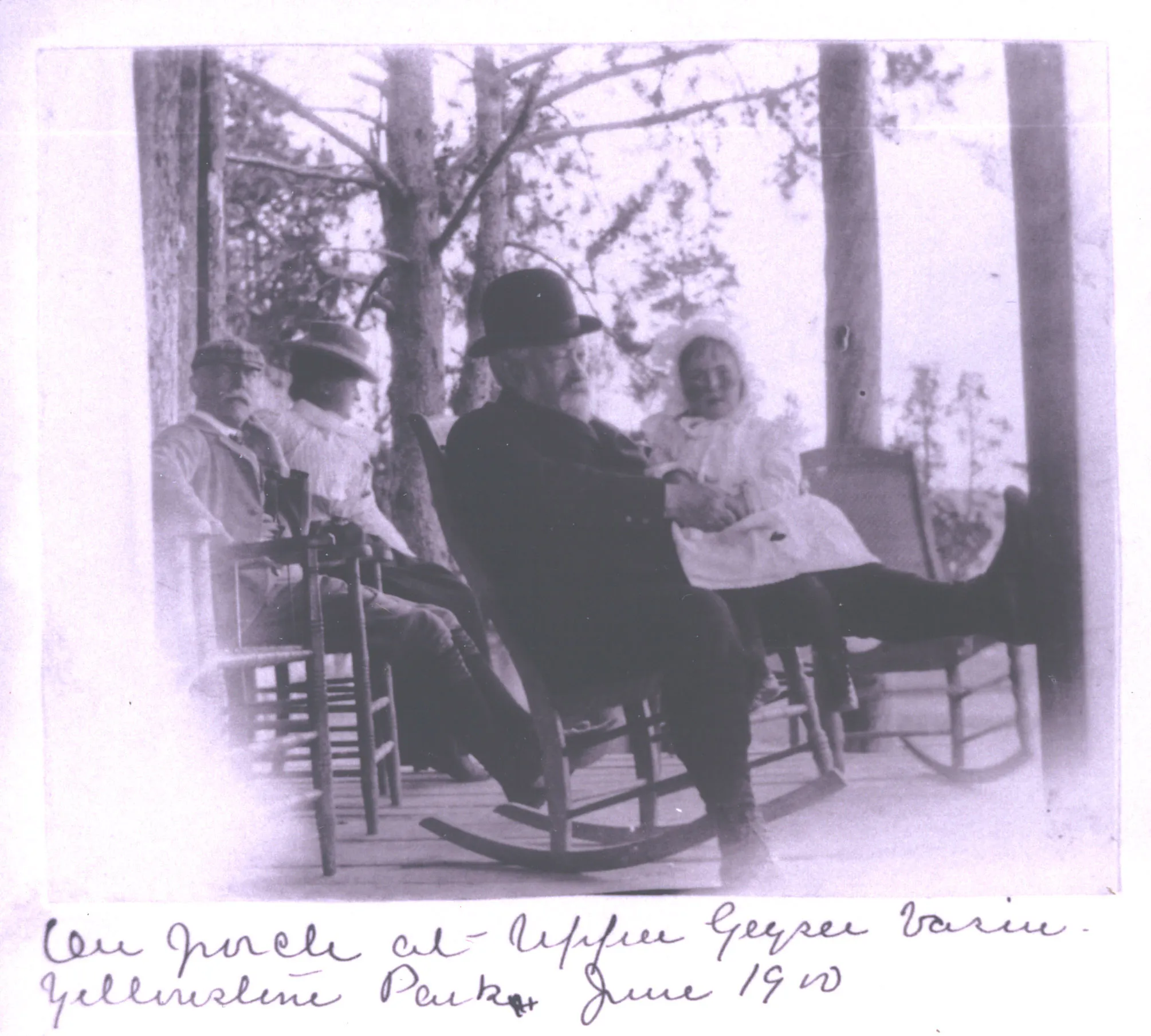
By the time Harrison assumed office in 1889, the federal government had already taken some steps toward protecting natural resources. In 1872, Ulysses S. Grant had signed the Yellowstone National Park Protection Act, establishing Yellowstone National Park in Wyoming, Montana, and Idaho as the first national park in the world. This landmark decision set a precedent for the idea of national parks as protected areas for public enjoyment and the preservation of natural beauty.

However, the establishment of national parks was still a relatively new concept, and much of the American wilderness remained vulnerable to exploitation. During Harrison’s presidency, the federal government faced growing pressure to address the need for further conservation and protection of the country’s landscapes. It was within this context that Harrison made his mark on environmental policy.

Benjamin Harrison’s Environmental Agenda

The Creation of National Parks

One of Benjamin Harrison’s most notable achievements in the realm of environmental policy was his role in the expansion of the national park system. During his administration, Harrison signed into law several pieces of legislation that created or expanded national parks, setting the stage for the future development of the U.S. national park system.

The Establishment of National Parks

In 1891, one of the most significant acts of Harrison’s presidency was the Forest Reserve Act, which allowed the president to set aside public lands as forest reserves to be managed by the federal government. This act enabled the president to designate large tracts of land as protected areas, making it one of the most important conservation measures of the era. Harrison used the authority granted by the Forest Reserve Act to establish numerous forest reserves, many of which would later become part of the national park system.

The Forest Reserve Act was a bold step forward in the effort to preserve America’s wilderness. It was an early attempt to regulate the use of public lands, and it paved the way for the future creation of national parks and monuments. Harrison’s use of the Forest Reserve Act was not just about protecting the land from immediate exploitation; it was also a recognition of the importance of preserving these areas for future generations.

Harrison’s administration saw the creation of several significant national parks and forest reserves. These included:

  1. Yosemite National Park (1890): While President Harrison did not directly create Yosemite National Park, he did play a role in its expansion. Yosemite was initially established as a state park in 1864, but in 1890, it became a national park, thanks to Harrison’s support for its federal protection. The park, located in California’s Sierra Nevada mountains, was one of the most iconic landscapes in the United States, and its protection was a major victory for conservationists.

  2. Sequoia National Park (1890): In 1890, Harrison signed legislation that established Sequoia National Park in California, which protected the famous giant sequoia trees—some of the largest and oldest trees in the world. The establishment of Sequoia marked the beginning of a concerted effort to protect the country’s unique natural wonders.

  3. Olympic National Park (1893): In the final days of Harrison’s presidency, he signed an executive order to establish the Olympic Forest Reserve in the Olympic Peninsula of Washington State. This reserve would later be designated as Olympic National Park and is known for its diverse ecosystems and stunning landscapes, ranging from rugged coastlines to alpine forests.

  4. Other Forest Reserves: Harrison’s use of the Forest Reserve Act resulted in the creation of dozens of forest reserves across the western United States. Many of these reserves, including those in the Rocky Mountains and the Pacific Northwest, would eventually be designated as national parks or national forests, further expanding the federal government’s role in land conservation.

The Protection of Wildlife and Natural Resources

While Harrison’s most tangible contributions to environmental conservation came through the creation of national parks, he also understood the importance of wildlife preservation and the sustainable management of natural resources. During his time in office, Harrison supported the protection of wildlife populations and the regulation of activities such as hunting and fishing, which had been contributing to the depletion of species.

The growing interest in wildlife preservation was part of a broader shift in public attitudes toward nature. The idea that nature should be conserved not just for its beauty but also for the biodiversity it supported was gaining traction. Harrison’s administration contributed to this shift by supporting policies that aimed to protect wildlife habitats and regulate the exploitation of natural resources.

Harrison’s Legacy in Environmental Conservation

The Influence on Future Administrations

Benjamin Harrison’s environmental policies helped set the stage for the more comprehensive conservation efforts of the 20th century. Harrison’s emphasis on national parks and forest reserves directly influenced the administration of Theodore Roosevelt, who would become president in 1901. Roosevelt, widely regarded as one of the greatest conservation presidents, expanded the national park system even further, creating numerous new parks, monuments, and national forests. However, it is important to recognize that Roosevelt’s conservation achievements were built upon the groundwork laid by Harrison and earlier conservationists.

Roosevelt himself acknowledged the importance of Harrison’s contributions to the conservation movement. In fact, many of the forest reserves established by Harrison would later become part of the U.S. Forest Service, an agency that was expanded and strengthened under Roosevelt’s leadership. Roosevelt also used the powers granted by the Antiquities Act of 1906 to establish national monuments, further expanding the scope of federal land preservation.

The Long-Term Impact on America’s National Park System

Benjamin Harrison’s actions during his presidency were pivotal in expanding and solidifying the foundation of America’s national park system. The national parks and forest reserves he helped create were integral to the development of the U.S. government’s conservation policy, which would later flourish under Roosevelt and successive presidents.

Harrison’s environmental legacy is also evident in the way national parks have come to symbolize the nation’s commitment to preserving its natural beauty for future generations. The parks that were created under Harrison’s watch—Yosemite, Sequoia, and others—remain some of the most beloved and visited national parks today. These parks are a testament to the foresight and dedication of a president who recognized the importance of conservation long before it became a mainstream issue.

Conclusion: The Enduring Legacy of Benjamin Harrison

Benjamin Harrison may not be remembered as one of the most prominent figures in the history of environmental conservation, but his contributions to the preservation of America’s natural heritage were undeniably significant. Through his advocacy for national parks, the establishment of forest reserves, and his support for wildlife protection, Harrison helped shape the environmental policies that would define the future of the United States.

Harrison’s legacy is a reminder that environmental conservation is not the work of one individual or one administration—it is a long-term effort that requires vision, commitment, and action. The national parks and protected lands that Harrison helped establish continue to provide environmental, recreational, and educational benefits to the American people, and they stand as a testament to his enduring commitment to preserving the country’s natural treasures.

Chester A. Arthur and Civil Service Reform: A Surprising Legacy

loola-games.info – Chester A. Arthur, the 21st president of the United States, is often remembered for his unexpected transformation from a political boss deeply entrenched in the spoils system to a reform-minded leader who championed one of the most significant legislative changes in American government history: the Pendleton Civil Service Reform Act. Known more for his association with political patronage than for progressive action, Arthur’s presidency has traditionally been seen as a mere interlude in the Gilded Age, overshadowed by larger-than-life figures like Theodore Roosevelt and Grover Cleveland. However, a closer examination of Arthur’s time in office reveals a complex, evolving character who played a critical role in reshaping the federal workforce.

Arthur’s unexpected support for civil service reform, which sought to curb the patronage system that had long governed political appointments, is a central part of his legacy. Although he began his political career as a key figure in New York’s political machine, his presidency saw a remarkable shift toward reform that had long-term consequences for the structure of American government. In this article, we will explore how Arthur’s career unfolded against the backdrop of the Gilded Age’s political corruption, how he came to champion civil service reform, and the legacy of his actions in modern American government.

Chester A. Arthur: From Political Boss to President

Early Life and Political Beginnings

Born on October 5, 1829, in Fairfield, Vermont, Chester Alan Arthur came from humble beginnings. The son of a Baptist minister, Arthur’s family moved frequently during his childhood, and he attended various schools before eventually enrolling at Union College in Schenectady, New York. A bright student, Arthur graduated near the top of his class in 1848. He went on to study law, establishing a successful legal career in New York City.

In the 1850s and 1860s, New York’s political landscape was dominated by powerful political machines, particularly those aligned with figures like William “Boss” Tweed and Roscoe Conkling. It was within this context that Arthur’s political career took shape. Although Arthur initially entered politics as a lawyer and advocate for civil rights, his ambitions led him to become increasingly involved in the political patronage system.

Ties to the Spoils System and Political Patronage

Arthur’s most significant early political position was as the Collector of the Port of New York, a post he was appointed to in 1871 by President Ulysses S. Grant. In this role, Arthur controlled an important position within the political machine, distributing lucrative federal jobs to loyal supporters. The job had long been seen as a key mechanism for rewarding political allies with well-paying government jobs, a practice that was central to the spoils system that dominated American politics at the time.

At the time, the spoils system was a deeply ingrained practice in both major political parties, but it was particularly prominent among the Republicans, especially in New York. Arthur was a prominent figure in the Stalwart faction of the Republican Party, which was led by Senator Roscoe Conkling. The Stalwarts were staunch defenders of the spoils system, and they resisted any attempts to reform the system or institute merit-based hiring. Arthur’s ties to the Stalwarts and his role in the patronage system made him a figure closely associated with political corruption, which was rampant in the Gilded Age.

The Unexpected Vice Presidency

In 1880, Chester A. Arthur was selected as the Republican vice-presidential nominee, alongside presidential candidate James A. Garfield. The nomination was part of a political maneuver by Conkling, who hoped that Arthur’s selection would solidify Stalwart control over the Republican Party. Arthur’s ties to the political machine were well known, and his nomination was viewed by many as an attempt to placate the Stalwarts, who were in conflict with the more reform-minded faction of the Republican Party known as the Half-Breeds.

Garfield won the election, and Arthur became vice president. At the time, few expected Arthur to play any significant role in the administration. However, just months into Garfield’s presidency, the nation was shocked by an assassination attempt on the president by Charles Guiteau. Garfield died from his wounds in September 1881, and Arthur, unexpectedly, ascended to the presidency.

The Surprising Turn Toward Civil Service Reform

Political Context and Growing Public Outcry

At the time of Arthur’s ascension to the presidency, the U.S. government was rife with corruption. The spoils system was a key aspect of this corruption, as federal jobs were awarded based on political loyalty rather than merit or qualifications. The practice had resulted in widespread inefficiency, patronage abuse, and a lack of accountability in government. In response to the growing public demand for reform, many political leaders, including Arthur, found themselves under increasing pressure to address these issues.

Though Arthur’s early political career had been defined by his association with the spoils system, his presidency saw a dramatic shift in his approach to government. Recognizing the need for reform, Arthur began to distance himself from the patronage system that had been so central to his rise. This shift was not an easy one, as Arthur faced fierce opposition from many of his former allies in the Stalwart faction, who sought to maintain the patronage system.

Arthur’s transition toward supporting civil service reform was driven by both political pragmatism and a genuine desire to modernize the federal government. He understood that in order to restore public trust in the government and improve its efficiency, a new system of merit-based appointments was necessary.

The Pendleton Civil Service Reform Act

The key piece of legislation that defined Arthur’s presidency was the Pendleton Civil Service Reform Act, signed into law in 1883. The Pendleton Act marked a historic departure from the patronage system and established the foundation for a merit-based system of hiring federal employees. The law created the Civil Service Commission, which was tasked with overseeing the examination process for government jobs and ensuring that candidates were hired based on their qualifications rather than political connections.

The Pendleton Act applied to about 10% of federal government jobs initially, but it laid the groundwork for future expansions of the merit system. Over time, the law would expand to cover more positions and would help create a more professional, nonpartisan federal workforce.

Arthur’s decision to champion the Pendleton Act was a remarkable one, given his earlier ties to the political machine. His support for the law was, in many ways, an acknowledgment of the growing demands for change and an acceptance of the need for reform in the face of political realities. Arthur’s unexpected embrace of civil service reform marked one of the most significant moments of his presidency and cemented his legacy as a president who, despite his early connections to corruption, helped reshape the U.S. government.

The Political Fallout and Legacy of the Pendleton Act

Although the Pendleton Act was a significant step forward in government reform, it was not without controversy. Many Stalwarts, including some of Arthur’s old allies, opposed the measure, fearing that it would weaken their power and diminish their control over patronage jobs. In fact, Arthur’s support for the Pendleton Act led to a temporary split between him and Conkling, who was a staunch defender of the spoils system.

Despite the opposition from his former allies, Arthur pushed forward with the reform, and the Pendleton Act was passed with broad bipartisan support. The law had immediate and long-term effects on American government, helping to create a more efficient, professional federal workforce that was less susceptible to political influence. Over time, the merit-based system established by the Pendleton Act would become a central feature of the U.S. government, reducing the power of political machines and ensuring that federal employees were hired based on their abilities rather than their political connections.

Arthur’s support for civil service reform not only improved the efficiency of the federal government but also helped to reduce the corruption that had plagued the nation for decades. His legacy as a reformer is often overlooked, but the Pendleton Act remains one of the most important legislative achievements of the Gilded Age.

Other Achievements and the Modernization of America

While civil service reform was the defining achievement of Chester A. Arthur’s presidency, he also made significant strides in other areas. One of his key accomplishments was his efforts to modernize the U.S. Navy. Arthur understood that the growing power of foreign nations required a strong American naval presence, and he oversaw the development of new ships, including steel-hulled vessels, which were more advanced than anything the U.S. had previously used. This modernization laid the foundation for the Navy’s expansion in the years to come.

Arthur also worked on expanding the nation’s infrastructure, overseeing the completion of the transcontinental railroad and improvements to the nation’s transportation systems. These efforts were crucial for the continued growth of the U.S. economy, facilitating trade and communication across vast distances.

Conclusion: The Surprising Legacy of Chester A. Arthur

Chester A. Arthur’s presidency is a testament to the potential for political transformation, even for individuals who start their careers deeply embedded in the machinery of political patronage. His unexpected embrace of civil service reform and his support for the Pendleton Act marked a dramatic departure from his earlier associations with political corruption. By the end of his presidency, Arthur had solidified his legacy as a surprising advocate for change, one who reshaped the federal workforce and helped reduce the grip of political machines on the U.S. government.

Arthur’s presidency, though brief, demonstrated that even in an era known for its political corruption and inefficiency, real change was possible. His surprising legacy as a reformer highlights the complexities of his character and the unpredictable nature of American political history. Today, Chester A. Arthur is increasingly recognized for his role in the transformation of the U.S. government, and his actions in support of civil service reform continue to have a lasting impact on the functioning of the federal government.

Tupac Shakur: A Legacy of Influence and Inspiration

loola-games.info – Tupac Amaru Shakur, better known by his stage names 2Pac and Makaveli, was more than just a rapper; he was a cultural icon whose influence extended far beyond the music scene. Born on June 16, 1971, in Brooklyn, New York, Tupac became one of the most significant figures in hip-hop history. His life, marked by both profound talent and tragic circumstances, continues to inspire artists and activists around the world.

Early Life and Musical Beginnings

Tupac’s journey into music began at a young age. Raised amidst the struggles of inner-city life, he channeled his experiences into poignant lyrics that resonated with many. His debut album, “2Pacalypse Now,” released in 1991, showcased his ability to address social issues such as poverty, violence, and racial inequality. Unlike many of his contemporaries, Tupac’s music was characterized by its raw honesty and emotional depth.

Artistry and Activism: A Powerful Combination

Tupac’s artistry was not limited to music alone. He was also a gifted actor, appearing in several films, including “Juice” and “Poetic Justice.” His ability to portray complex characters on screen mirrored his multifaceted personality in real life. Beyond entertainment, Tupac was an outspoken advocate for social change. He used his platform to highlight systemic injustices and encourage others to fight for equality.

Controversies and Challenges

Despite his success, Tupac’s life was fraught with controversy. He was often in the media spotlight for his legal troubles and confrontations with fellow artists. These challenges, however, did not deter him from his mission to inspire and provoke thought through his work. His rivalry with The Notorious B.I.G. and the East Coast-West Coast hip-hop feud added to the complexities of his public image.

Legacy and Influence

Tupac’s impact on music and culture remains unparalleled. His lyrics continue to resonate with new generations, and his life story serves as a testament to the power of resilience and authenticity. Albums such as “All Eyez on Me” and “Me Against the World” are considered timeless classics that capture the essence of his artistry and vision.

Conclusion: The Enduring Spirit of Tupac Shakur

Tupac Shakur’s untimely death on September 13, 1996, in a drive-by shooting in Las Vegas, marked the end of a life that was both extraordinary and tumultuous. However, his spirit lives on through his music and the countless lives he touched. Tupac remains a symbol of defiance and hope, a reminder of the enduring power of art to challenge the status quo and inspire change.

The Legacy of Malaysian Handicrafts

loola-games.info – Malaysian handicrafts are a vibrant reflection of the nation’s rich cultural heritage and artistic traditions. Rooted in the diverse ethnic backgrounds of its people, these crafts encompass a wide range of techniques and materials, each telling a story of history, culture, and identity. This article explores the enduring legacy of Malaysian handicrafts and their significance in contemporary society.

The Diversity of Handicrafts

Malaysia’s handicrafts are as diverse as its people. From the intricate batik patterns of the Malays to the exquisite wood carvings of the indigenous communities, each craft is a testament to the country’s multicultural tapestry. Other notable crafts include songket weaving, pottery, basketry, and silverwork, each reflecting the skills and creativity of artisans across the nation. These crafts are not only artistic expressions but also serve practical purposes and hold cultural significance.

Batik: A National Treasure

Batik is one of Malaysia’s most famous handicrafts, known for its vibrant colors and intricate designs. This textile art involves applying wax to fabric before dyeing it, creating unique patterns that are both beautiful and symbolic. Malaysian batik often features motifs inspired by nature, such as flowers and leaves, and is widely used in clothing and home décor. Batik is celebrated for its artistic and cultural value, representing a fusion of traditional techniques and contemporary fashion.

Songket: The Royal Weave

Songket is a luxurious fabric traditionally associated with Malay royalty and ceremonies. Woven with gold or silver threads, songket is a symbol of wealth and status. The intricate patterns and shimmering appearance of songket make it a prized possession, often worn during weddings and official events. Despite modern influences, traditional songket weaving techniques have been preserved, ensuring the craft’s legacy continues to thrive.

Indigenous Crafts: Preserving Heritage

The indigenous peoples of Malaysia have a rich tradition of handicrafts, each reflecting their deep connection to nature. The Orang Asli, Dayak, and other indigenous communities produce stunning crafts such as beadwork, basketry, and wood carvings. These crafts often incorporate natural materials like bamboo, rattan, and beads, showcasing the artisans’ respect for the environment and their cultural heritage. Efforts to preserve and promote these crafts have helped sustain indigenous traditions and provide economic opportunities for artisans.

Contemporary Relevance and Revival

In recent years, there has been a renewed interest in Malaysian handicrafts as part of the global movement towards sustainable and ethical fashion. Artisans are finding new ways to innovate and adapt traditional techniques to modern tastes, creating products that appeal to both local and international markets. This revival not only helps preserve cultural heritage but also supports local economies and empowers communities.

Conclusion

The legacy of Malaysian handicrafts is a testament to the nation’s rich cultural diversity and artistic ingenuity. These crafts, cherished for their beauty and craftsmanship, continue to play a vital role in preserving Malaysia’s cultural identity. As interest in traditional arts grows, Malaysian handicrafts are poised to thrive in the modern world, bridging the past and present while celebrating the unique spirit of Malaysia.