
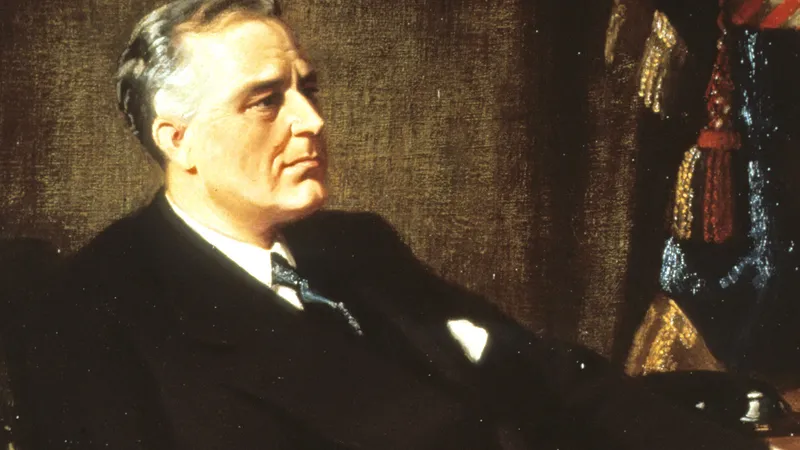
FDR: The President Who Defied the Great Depression

loola-games.info – Franklin Delano Roosevelt (FDR) is widely regarded as one of the most influential leaders in American history, largely because of his leadership during the Great Depression. As the 32nd President of the United States, FDR took office during one of the darkest periods in the nation’s history, when the economy had collapsed and millions of Americans were facing unemployment, poverty, and despair. Roosevelt’s response to this crisis—embodied in his transformative New Deal policies—not only helped the country recover but also reshaped the role of government in American life. This article explores FDR’s rise to power, his response to the Great Depression, and the lasting legacy of his leadership during this turbulent period.

The Great Depression: A Nation in Crisis

Economic Collapse

The Great Depression, which began with the stock market crash in October 1929, was the most severe economic crisis in American history. The crash wiped out billions of dollars in wealth, leading to the failure of thousands of banks and businesses. By 1932, the unemployment rate had reached 25%, with one in four Americans out of work. Homelessness, hunger, and despair became widespread, with long lines of people waiting for food at soup kitchens and shantytowns, known as “Hoovervilles,” springing up across the country.

The economic collapse also had a devastating psychological effect on the American people. Confidence in the government and the economy was shattered, and many citizens felt abandoned by the political system. The incumbent president, Herbert Hoover, was widely blamed for the crisis. His belief in limited government intervention and his failure to address the severity of the situation led to growing public discontent. As the 1932 election approached, the American people were desperately seeking new leadership and a fresh approach to solving the nation’s problems.

FDR’s 1932 Presidential Campaign

Franklin D. Roosevelt, the Democratic governor of New York, emerged as the leading candidate for the presidency in 1932. Roosevelt had gained a reputation as a progressive reformer during his time as governor, where he implemented policies to provide unemployment relief and address economic hardship. His personal charisma, optimistic vision, and pragmatic approach to governance set him apart from other political figures of the time.

Roosevelt’s 1932 campaign was centered on the promise of a “New Deal” for the American people, though he left the specifics of this plan vague during the election. His message was one of hope and recovery, and he presented himself as a leader who could bring about the change that the country desperately needed. He famously stated, “I pledge you, I pledge myself, to a new deal for the American people,” a phrase that would come to define his presidency.

Roosevelt won the election in a landslide, carrying 42 of the 48 states and securing 57% of the popular vote. His victory signaled a clear mandate for change, as Americans looked to him to pull the country out of the depths of the Depression.

The New Deal: Bold Action to Combat the Depression

The First 100 Days

When FDR was inaugurated on March 4, 1933, the nation was in dire straits. Banks were failing at an alarming rate, millions of Americans were unemployed, and confidence in the future of the country was at an all-time low. Roosevelt recognized the urgency of the situation and immediately set to work on a comprehensive plan to stabilize the economy and provide relief to those suffering the most.

During his first 100 days in office, FDR and Congress passed an unprecedented number of bills aimed at tackling the Depression. This period of legislative action laid the foundation for what would become known as the New Deal. Roosevelt’s strategy was based on three primary goals: relief for the unemployed and poor, recovery of the economy, and reform of the financial system to prevent future economic crises.

Banking Reform: Restoring Confidence

One of Roosevelt’s first actions as president was to address the nation’s banking crisis. The financial system was teetering on the brink of collapse, with depositors rushing to withdraw their money from banks, leading to widespread bank failures. To restore confidence, Roosevelt declared a nationwide “bank holiday,” temporarily closing all banks to prevent further runs. This gave Congress time to pass the Emergency Banking Act, which allowed the federal government to inspect banks and reopen only those that were financially sound.

In his first “Fireside Chat,” a series of radio addresses Roosevelt used to speak directly to the American people, he explained the steps his administration was taking to restore the banking system. His calm, reassuring tone helped ease public anxiety, and when the banks reopened, Americans began depositing their money again, signaling a return of confidence in the system.

Relief Programs: Putting Americans Back to Work

One of Roosevelt’s top priorities was to provide immediate relief to the millions of Americans who were unemployed and struggling to survive. To address this, his administration created several programs that put people back to work while improving the nation’s infrastructure.

The Civilian Conservation Corps (CCC) was one of the most popular New Deal programs, employing young men in conservation projects such as reforestation, building parks, and improving rural infrastructure. The CCC not only provided jobs but also improved the environment and created lasting public works.

The Public Works Administration (PWA) and the Works Progress Administration (WPA) were also central to Roosevelt’s efforts to combat unemployment. The PWA focused on large-scale construction projects, such as building schools, roads, bridges, and hospitals, while the WPA employed millions of Americans in a variety of jobs, including artists, writers, and laborers. These programs provided much-needed jobs and helped to rebuild the nation’s infrastructure.

The Second New Deal: Structural Reforms

While the initial wave of New Deal programs focused on immediate relief and recovery, the Second New Deal, launched in 1935, aimed at more profound reforms that would reshape the American economy and society. Roosevelt believed that structural changes were needed to prevent future economic crises and to address the deep inequalities that had contributed to the Depression.

The Social Security Act: A Landmark Achievement

One of the most significant achievements of the Second New Deal was the passage of the Social Security Act in 1935. This groundbreaking legislation established a system of unemployment insurance, old-age pensions, and aid to the disabled and poor. For the first time in American history, the federal government assumed responsibility for providing a safety net to protect the most vulnerable citizens.

The Social Security system was a monumental shift in the relationship between the government and the American people. It ensured that the elderly, the unemployed, and those unable to work would have a source of income, providing a sense of security in an otherwise unstable economy. The Social Security Act remains one of the most enduring legacies of the New Deal, and it continues to serve millions of Americans today.

Labor Reforms: The Wagner Act

The Second New Deal also included significant labor reforms aimed at protecting workers’ rights. The National Labor Relations Act, also known as the Wagner Act, passed in 1935, guaranteed workers the right to form unions and engage in collective bargaining. This law helped to empower labor unions, which had long struggled to gain recognition and improve working conditions.

The Wagner Act led to a surge in union membership, and it gave workers a stronger voice in negotiations with employers. This, in turn, helped to improve wages, working conditions, and job security for millions of Americans, further strengthening the middle class.

Opposition and Challenges

Conservative Criticism

While the New Deal was widely popular among many Americans, it also faced significant opposition from various groups. Conservatives, particularly those in the business community, criticized the New Deal for expanding the role of the federal government too much and for regulating private industry. They argued that Roosevelt’s policies were undermining free enterprise and individual liberty.

Some critics accused FDR of being a socialist or even a dictator, pointing to his efforts to centralize power in the federal government. In response, Roosevelt defended his actions by arguing that the extraordinary crisis of the Great Depression required extraordinary measures. He insisted that his policies were designed to save capitalism by reforming it, not by destroying it.

The Supreme Court and the Court-Packing Plan

One of the most significant challenges to the New Deal came from the Supreme Court, which struck down several key pieces of New Deal legislation, including the National Recovery Administration (NRA) and the Agricultural Adjustment Act (AAA), as unconstitutional. The Court’s rulings threatened to undermine Roosevelt’s efforts to address the Depression.

In response, Roosevelt proposed a controversial plan to “pack” the Supreme Court by adding up to six new justices who would be more sympathetic to his policies. This plan, however, faced strong opposition, even from some of Roosevelt’s allies in Congress. While the court-packing plan ultimately failed, the Court soon began to uphold New Deal legislation, allowing Roosevelt’s reforms to continue.

The Legacy of FDR and the New Deal

Economic Recovery and Growth

While the New Deal did not fully end the Great Depression, it succeeded in stabilizing the economy, providing relief to millions of Americans, and restoring public confidence. Unemployment gradually decreased, and key sectors of the economy began to recover. By the time the U.S. entered World War II in 1941, the nation was on a path to full recovery, largely thanks to the New Deal’s reforms and public works programs.

The New Deal laid the groundwork for the modern welfare state and established the principle that the federal government has a responsibility to ensure the economic security and well-being of its citizens. Programs such as Social Security, unemployment insurance, and labor protections became permanent fixtures of American society, continuing to provide support for millions of Americans.

Redefining the Role of Government

Perhaps the most lasting legacy of FDR’s presidency was the transformation of the federal government’s role in American life. Before Roosevelt, the government played a relatively limited role in regulating the economy or providing social services. The New Deal changed that dynamic, establishing the federal government as a key player in managing the economy and addressing social issues.

Roosevelt’s leadership during the Great Depression also redefined the relationship between the American people and their government. His policies demonstrated that the government could be a force for positive change, capable of protecting citizens from the worst effects of economic crises and providing a safety net for the vulnerable.

Conclusion

Franklin D. Roosevelt’s response to the Great Depression transformed the United States and left an indelible mark on American society. His New Deal policies provided relief, recovery, and reform during one of the darkest periods in the nation’s history, and they reshaped the role of government in ways that continue to resonate today. FDR’s leadership, vision, and willingness to experiment with bold new ideas made him the president who defied the Great Depression and helped to guide the nation toward recovery. His legacy endures in the institutions and programs he created, as well as in the enduring belief that government can and should play a role in promoting the well-being of its people.
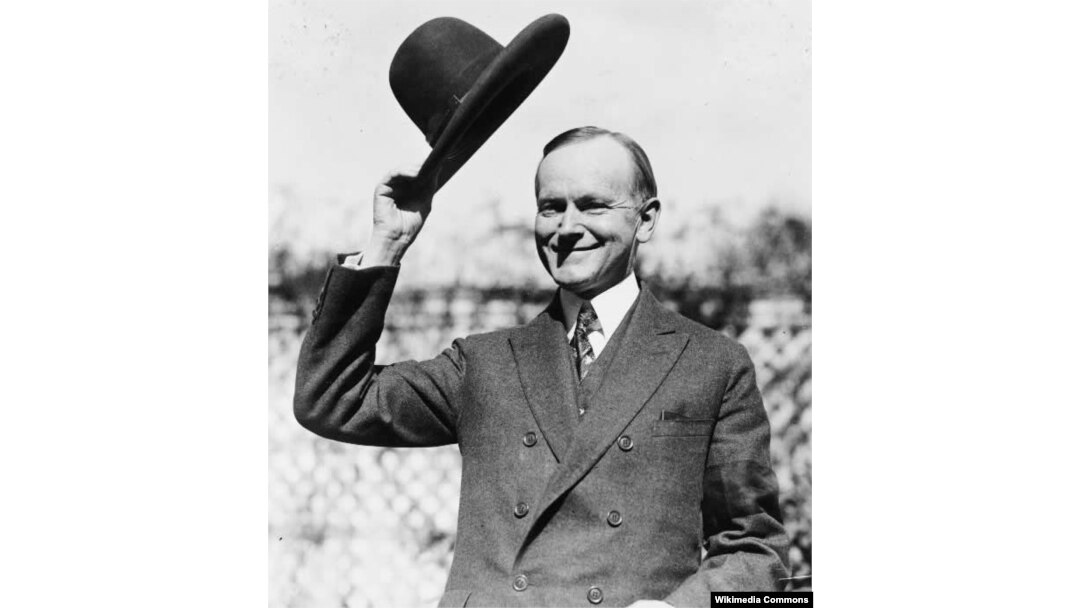
Calvin Coolidge: The Silent President’s Uncommon Wisdom

loola-games.info – Calvin Coolidge, the 30th President of the United States, is often remembered as one of the most quiet, reserved, and unassuming leaders in American history. His nickname, “Silent Cal,” stems from his famously laconic nature and preference for letting actions speak louder than words. Coolidge’s leadership style, in stark contrast to the often flashy personalities of many political figures, was defined by his unwavering commitment to fiscal conservatism, minimal government intervention, and his belief in the power of individual initiative. While Coolidge was certainly not a charismatic or highly visible figure, his uncommon wisdom shaped the nation during a critical period and left an indelible mark on American political and economic thought.

Coolidge’s presidency, which spanned from 1923 to 1929, occurred during a time of extraordinary economic prosperity, the so-called “Roaring Twenties.” Though Coolidge did not live to witness the onset of the Great Depression, his policies and leadership set the stage for much of the economic success of the 1920s, while his philosophical approach to governance influenced generations of conservatives. His wisdom—rooted in his belief in the virtues of self-reliance, limited government, and a sound economy—provides a fascinating study in leadership and governance. This article explores the uncommon wisdom of President Calvin Coolidge, shedding light on the principles that guided his presidency and how his quiet yet deliberate leadership shaped the course of American history.

The Quiet Philosopher: Coolidge’s Approach to Government

Calvin Coolidge’s political philosophy was grounded in a deep conviction that government’s primary role was to protect individual freedoms and foster a stable environment in which citizens could pursue their own happiness. His quiet demeanor was not a sign of indifference or apathy; rather, it reflected a measured and thoughtful approach to leadership. Coolidge believed that the less government interfered in people’s lives, the more they would be able to thrive. His government philosophy was rooted in classical liberalism, which emphasized the rights of individuals and the importance of personal responsibility.

Coolidge was particularly wary of excessive government intervention, which he believed could stifle the creativity and industriousness of the American people. He adhered to the principle that government should be “invisible” and limited in its actions, working only to secure the basics of national defense, enforce contracts, and maintain law and order. Beyond these foundational duties, Coolidge held that government should remain out of the way of the economy and the lives of citizens.

This perspective is best exemplified in his famous line, “The chief business of the American people is business.” Coolidge believed that the government should not intrude upon the efforts of American business and enterprise. Instead, it should create an environment conducive to innovation, where free-market principles could flourish. In his mind, the success of business would, in turn, benefit society as a whole.

Less Government, More Freedom

Coolidge’s belief in limited government was put into action through his fiscal policies, which emphasized tax cuts, reduced government spending, and a balanced budget. These policies reflected his conviction that individuals and businesses, not the government, were best suited to make decisions about how money should be spent and invested. He believed that high taxes inhibited economic growth, and that the government should not take more than necessary from the people.

His approach to spending was equally restrained. Throughout his presidency, Coolidge worked to reduce government expenditures, cutting federal spending by nearly 50% from its peak under his predecessor, Warren G. Harding. This commitment to fiscal discipline earned Coolidge respect as a financially prudent leader and is regarded as one of his most significant contributions to American governance. Coolidge’s rare combination of spending restraint and tax relief contributed to a period of economic expansion that is still remembered for its prosperity.

Coolidge’s common-sense approach to governance left an enduring impact on American political thought, particularly among conservative policymakers. His belief in the limited role of government in economic affairs became a cornerstone of modern conservatism and has influenced leaders and policymakers for decades.

The Wisdom of Economic Prosperity

The economic prosperity of the 1920s, often referred to as the “Roaring Twenties,” occurred during Coolidge’s presidency, and his leadership played a crucial role in shaping the conditions that allowed for such growth. This period of economic success stands in contrast to the economic troubles that followed his administration, but Coolidge’s approach to fiscal management contributed significantly to the nation’s economic growth.

Tax Cuts and Fiscal Conservatism

Central to Coolidge’s economic policies were his tax cuts, which were implemented in conjunction with his commitment to reducing government spending. Under his leadership, the federal government enacted several key revenue acts that lowered income tax rates, particularly for the wealthiest Americans and corporations. The Revenue Act of 1924, for example, lowered the top income tax rate from 73% to 25%. Coolidge believed that lower taxes would spur investment and stimulate economic activity, leading to greater prosperity for all.

Coolidge’s tax cuts allowed businesses to reinvest their profits into expansion and innovation, while also providing individuals with greater disposable income. The result was an era of unprecedented economic growth, during which the stock market boomed, industries expanded, and millions of Americans experienced a higher standard of living. The rising tide of prosperity, in Coolidge’s view, benefited society as a whole. While there were critics who argued that tax cuts primarily benefited the wealthy, Coolidge remained convinced that reducing the burden on businesses and investors would ultimately lead to the creation of more jobs and economic opportunities for working-class Americans.

The Role of Business and the Free Market

One of the core tenets of Coolidge’s economic philosophy was his belief in the power of business to drive economic progress. He saw American enterprise as the engine of national prosperity and viewed government intervention as a hindrance to innovation. Coolidge believed that when left to their own devices, businesses would seek to increase productivity, create jobs, and provide goods and services that contributed to the welfare of society.

Coolidge’s pro-business stance was reflected in his policies, which largely supported a hands-off approach to regulation. He believed that the best way to stimulate growth was to allow the private sector to operate with minimal interference from the government. This policy environment encouraged entrepreneurship and allowed businesses to grow and thrive. While Coolidge did acknowledge the need for basic regulation to prevent monopolies and ensure fairness, his overall approach to business was one of trust in the private sector.

The Importance of Stability

Another aspect of Coolidge’s economic wisdom was his emphasis on the importance of stability. Coolidge believed that economic stability was a necessary precondition for prosperity. He worked to ensure that the federal government operated within its means, avoiding the kinds of financial instability that could disrupt economic growth. Coolidge’s commitment to maintaining a balanced budget and reducing the national debt helped to instill confidence in the U.S. economy, making it a stable environment for investment and business expansion.

This stability was crucial in fostering the climate of optimism and prosperity that defined the 1920s. The period saw advances in technology, industry, and consumer goods, and Coolidge’s economic policies helped to create a foundation for continued growth. While this stability would ultimately be tested by the onset of the Great Depression after Coolidge left office, the lessons he imparted on fiscal responsibility and economic prudence would endure.

Silent Leadership: The Wisdom of Restraint

Coolidge’s leadership style was marked by a remarkable restraint, both in his personal demeanor and his approach to governing. Coolidge was known for his quiet, contemplative nature, and he did not believe in the need for constant public speeches or grandiose displays of power. Instead, he relied on his actions to speak for him, and his decision-making was often marked by careful deliberation.

A Man of Few Words

Coolidge’s famously brief speeches and minimalistic public persona contrasted sharply with the more theatrical styles of other political figures, yet his wisdom was evident in the effectiveness of his quiet leadership. He once said, “If you don’t say anything, you won’t be called on to repeat it.” In many ways, Coolidge embodied the notion that actions speak louder than words. His presidency was marked by an absence of the kind of political grandstanding that often characterizes the American presidency.

Despite his quiet demeanor, Coolidge was keenly aware of the power of communication. He understood the importance of public perception, but he also believed that the true measure of leadership lay in results. By focusing on policy rather than politics, Coolidge sought to lead by example and let his actions speak for themselves.

Wisdom in Leadership Decisions

In addition to his economic policies, Coolidge demonstrated wisdom in his handling of several important national issues. He was an advocate for civil rights, although his actions in this regard were often tempered by the political realities of the time. He supported anti-lynching laws, desegregation of federal offices, and equal treatment for African Americans, but he often took a cautious approach, understanding the need to balance his principles with the broader political climate.

Coolidge’s diplomatic wisdom was equally impressive. He worked to maintain peace abroad, particularly through efforts to stabilize relations with Latin American countries and reduce military spending. Coolidge was a proponent of the Kellogg-Briand Pact, which sought to renounce war as a means of resolving international disputes, though its effectiveness would later be questioned. His approach to foreign policy was grounded in pragmatism and a belief in American ideals, yet it was always measured and deliberate.

Conclusion: The Enduring Wisdom of Calvin Coolidge

Calvin Coolidge’s presidency stands as a model of uncommon wisdom—an example of leadership that prioritized fiscal responsibility, limited government, and personal liberty. His quiet approach to governance, rooted in his belief in individual initiative and economic freedom, shaped an era of prosperity in the United States. While his presidency may not have been marked by the flashy rhetoric of his predecessors or successors, Coolidge’s actions and policies continue to resonate as a lesson in prudence, discipline, and restraint.

Today, Coolidge is often viewed as a leader who was ahead of his time—a man who understood the importance of economic stability, individual freedom, and a limited role for government in fostering prosperity. His belief in the power of the American people to shape their own futures, without the heavy hand of government intervention, remains a touchstone for conservative thought and governance.

Coolidge’s legacy, built on his wisdom and steadfast commitment to principles of fiscal conservatism and personal freedom, endures as a model of leadership that speaks volumes, even in its silence.

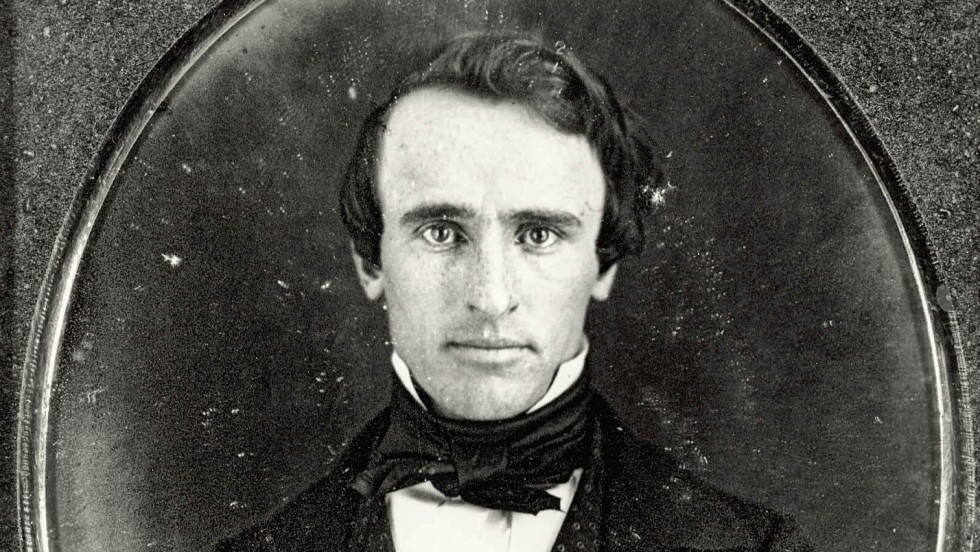
Rutherford B. Hayes: The Controversial Election of 1876

loola-games.info – The election of 1876 stands as one of the most contentious and controversial in the history of the United States. It was a contest marked by electoral fraud, a contested outcome, and political deals that would leave an indelible mark on the nation’s history. Rutherford B. Hayes, the Republican candidate, ultimately emerged victorious in one of the most disputed elections ever held, but the road to his presidency was far from smooth. The election of 1876 tested the very foundations of American democracy and demonstrated the deep divisions that continued to exist in the country in the aftermath of the Civil War and Reconstruction.

At the heart of the controversy was the bitter rivalry between Hayes, the governor of Ohio, and Samuel J. Tilden, the Democratic governor of New York. The election was marred by allegations of voter fraud, irregularities in vote counting, and accusations of disenfranchisement of African Americans in Southern states. As the results hung in the balance, a series of political compromises and backroom deals culminated in a decision that would shape the future of the United States. In this article, we will explore the events surrounding the 1876 election, the factors that made it so controversial, and how Rutherford B. Hayes ultimately became the 19th President of the United States.

Background: The Post-Civil War Political Landscape

Reconstruction and Its Challenges

By 1876, the United States was in the midst of the Reconstruction era, a period that followed the Civil War and aimed to rebuild the South, reintegrate former Confederate states into the Union, and secure the civil rights of newly freed African Americans. However, Reconstruction was deeply divisive, particularly in the South, where many white Southerners resisted the federal government’s efforts to implement civil rights protections for African Americans. The government had placed federal troops in the South to enforce Reconstruction policies, but by the mid-1870s, public support for Reconstruction had begun to wane.

The Republican Party, which had led the charge for Reconstruction and civil rights, faced growing opposition from Southern Democrats, who sought to restore white supremacy and disenfranchise African American voters. In this environment, the 1876 election would become a flashpoint in the ongoing struggle over the future of the South and the rights of African Americans.

The Candidates: Rutherford B. Hayes and Samuel J. Tilden

The two major contenders in the election of 1876 were Rutherford B. Hayes, a Republican, and Samuel J. Tilden, a Democrat. Hayes, a relatively low-profile figure, had served as governor of Ohio and had a reputation as a reform-minded, moderate politician. He was a staunch advocate for civil rights and had worked to enforce the law in Southern states during the Reconstruction era. Hayes was also known for his commitment to political reform and was seen as a figure who could help unite a divided nation.

Tilden, on the other hand, was a well-known political figure with a reputation for fighting corruption. As governor of New York, Tilden had earned a reputation as a “trustbuster” for his efforts to take down the powerful political machine of William “Boss” Tweed. His campaign focused on the need to clean up the government and end the corruption that had become synonymous with the post-Civil War political establishment. Tilden was also seen as more sympathetic to the South, advocating for the end of federal intervention in Southern politics and a return to “home rule.”

The election, therefore, was not only a contest between two men but also a reflection of the nation’s ongoing struggle over the direction of the country after the Civil War, particularly concerning the future of Reconstruction and the rights of African Americans.

The Election: Contested Results and Allegations of Fraud

The Vote Count and Disputes

On Election Day, November 7, 1876, the results were close and highly contentious. Tilden won the popular vote by a wide margin, securing 4,284,020 votes compared to Hayes’ 4,036,572. However, the outcome of the election hinged on the electoral vote, and here the results were far from clear.

The electoral vote was in dispute in several Southern states, including Florida, Louisiana, and South Carolina. These states had been under Republican control since the end of the Civil War, but Democrats, who had regained power in many Southern states, contested the results. In each of these states, both parties claimed victory, with allegations of voter fraud, intimidation, and the suppression of African American votes. The claims of fraud were particularly concerning in Southern states, where African Americans were a significant part of the electorate, and many had been disenfranchised through a combination of voter suppression tactics, intimidation, and outright violence.

In Florida, Louisiana, and South Carolina, both the Republicans and Democrats submitted competing sets of electoral votes, each claiming to have won the state. The situation was further complicated by disputes in Oregon, where one of the electors was disqualified for being an alleged “dual officeholder,” leading to another contested electoral vote.

The Role of Congress and the Electoral Commission

With no clear winner in the electoral vote, the election was thrown into Congress, where both parties struggled to reach an agreement on how to resolve the disputed votes. The Constitution dictated that the electoral votes must be counted in Congress, but it did not provide clear guidance on how to resolve disputes over contested votes. The situation was dire, and both parties feared the possibility of violence or civil unrest.

To resolve the crisis, Congress created a bipartisan Electoral Commission, which consisted of five senators, five representatives, and five Supreme Court justices. The commission’s task was to review the contested electoral votes and determine which candidate had won the election. The commission was heavily biased in favor of the Republicans, with seven of the 15 members being Republicans and only seven being Democrats, while one justice, David Davis, was initially chosen as an independent. However, Davis later recused himself, and the commission replaced him with a Republican justice, Joseph P. Bradley.

After several weeks of deliberation, the Electoral Commission voted along party lines to award all the disputed electoral votes to Hayes, thereby giving him a total of 185 electoral votes to Tilden’s 184. Tilden had won the popular vote but was denied the presidency due to the controversial decision of the Electoral Commission. Hayes was declared the winner of the 1876 election, but his victory was anything but conclusive, and it left a lasting stain on his presidency.

The Compromise of 1877: A Deal to Secure Hayes’ Presidency

The Deal: Federal Troops and the End of Reconstruction

As part of the negotiations to resolve the election dispute, Hayes made a significant concession to the Democrats in what became known as the Compromise of 1877. In exchange for the Democratic acceptance of Hayes’ victory, Republicans agreed to withdraw federal troops from the South, effectively bringing an end to Reconstruction. This deal had profound implications for the future of African Americans in the South, as it allowed white Democrats to regain control of Southern state governments and marked the beginning of the Jim Crow era.

The withdrawal of federal troops from the South meant that Southern states would once again be free to enact laws that disenfranchised African Americans, and it paved the way for the institutionalization of racial segregation and discrimination. The compromise was seen by many as a betrayal of the rights of African Americans, and it effectively ended the federal government’s commitment to enforcing civil rights in the South for nearly a century.

In addition to the withdrawal of troops, the Compromise of 1877 included other provisions aimed at appeasing Southern Democrats, such as federal support for Southern internal improvements, including railroad construction. Hayes’ agreement to these terms was a political necessity, as it allowed him to assume the presidency, but it also tarnished his legacy and left a lasting impact on race relations in America.

The Aftermath: The Legacy of the 1876 Election

The 1876 election and the subsequent Compromise of 1877 had far-reaching consequences for both Rutherford B. Hayes and the United States as a whole. Hayes’ victory, though legitimate under the circumstances, was widely viewed as illegitimate by many, and the events surrounding the election would continue to shape American politics for years to come.

Hayes’ Presidency and Its Political Challenges

Although Hayes assumed office in 1877, his presidency was overshadowed by the controversial circumstances surrounding his election. Despite his victory, Hayes struggled to establish his political legitimacy. Many Democrats and some Republicans believed that his election had been the result of political manipulation, and they viewed him as a “compromise” president, rather than one with a clear mandate from the people.

Hayes worked to make civil service reform a central issue of his presidency, pushing for the creation of a merit-based system for government appointments, and he focused on improving the nation’s economy and infrastructure. However, the specter of the 1876 election and the subsequent compromise with Southern Democrats loomed over his administration. His decision to pull federal troops out of the South was seen by many as a failure to protect the rights of African Americans, and it was a decision that would haunt his legacy.

The End of Reconstruction and the Rise of Jim Crow

The most lasting consequence of the 1876 election and the Compromise of 1877 was the end of Reconstruction and the subsequent rise of Jim Crow laws in the South. With the federal government’s withdrawal from the South, white Southerners regained control over state governments and implemented discriminatory laws designed to disenfranchise African Americans and segregate the races. These laws would remain in place for nearly a century, until the Civil Rights Movement of the 1960s.

The Compromise of 1877 marked the end of an era in American history—a time when the federal government had made efforts to guarantee civil rights and equality for African Americans in the South. The legacy of the election of 1876, and the deal that secured Hayes’ presidency, would have lasting implications for race relations in the United States, and it would take decades for the full promise of Reconstruction to be realized.

Conclusion

The election of 1876 remains one of the most controversial and pivotal moments in American history. Rutherford B. Hayes’ victory, secured through a highly contested process and a political compromise, underscored the deep divisions in the country following the Civil War and Reconstruction. While Hayes’ presidency ultimately brought some much-needed reforms, including efforts to curtail political corruption, it was forever marked by the compromise that ended Reconstruction and abandoned the federal commitment to African American rights in the South. The aftermath of the election would set the stage for the Jim Crow era and the long struggle for civil rights that would follow.