
Bilu Island: A Rustic Charm and Cultural Tapestry

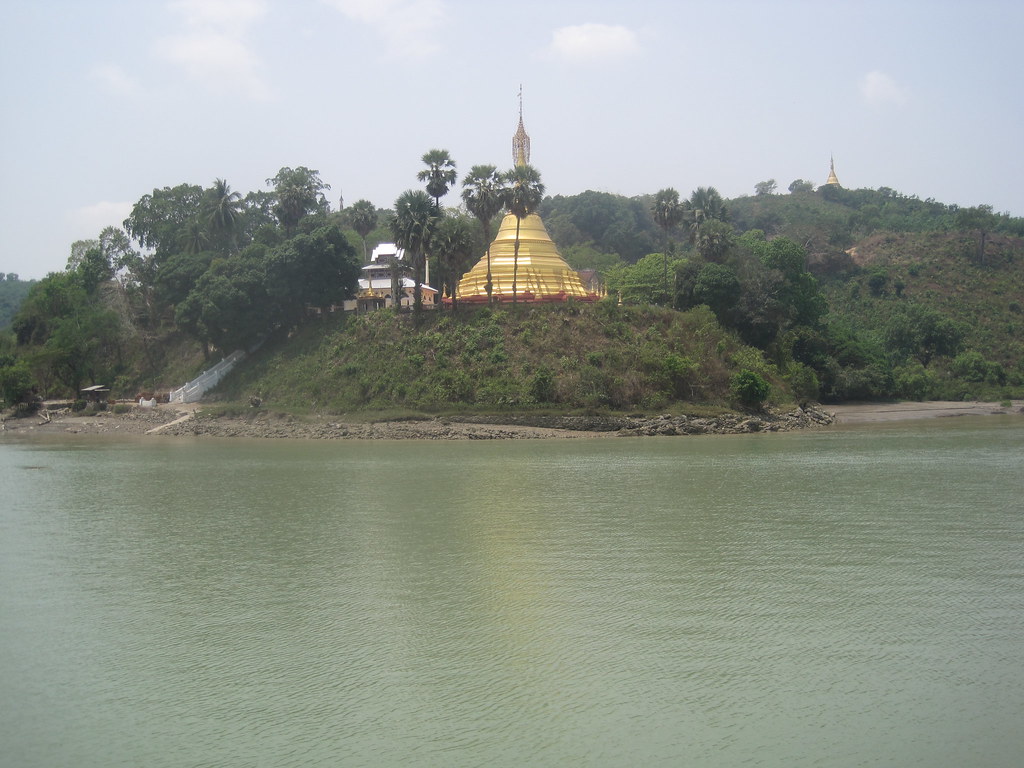
loola-games.info – Bilu Island, also known as Bilu Kyun, is a captivating island located in the Mon State of Myanmar. It’s a place steeped in tradition, where time seems to slow down and the rhythm of life is dictated by nature’s cycles. This charming island offers a unique blend of rural simplicity, rich cultural heritage, and stunning natural beauty.   

A Rustic Island Paradise

Bilu Island is a haven of tranquility, far removed from the bustling cities. Its idyllic landscape is characterized by lush paddy fields, coconut groves, and quaint villages. The island’s laid-back atmosphere and friendly locals create a warm and welcoming environment for visitors.   

A Glimpse into Mon Culture

The island is predominantly inhabited by the Mon people, an ethnic group with a rich cultural heritage. Visitors can immerse themselves in the local culture by exploring traditional villages, witnessing age-old crafts, and interacting with the friendly locals. The Mon people are known for their intricate weaving techniques, wood carving, and pottery.   

A Day Trip to Remember

A day trip to Bilu Island is a perfect way to experience the island’s charm. Visitors can explore the island’s picturesque villages, witness the production of traditional handicrafts, and enjoy delicious local cuisine. The island’s serene atmosphere and breathtaking natural beauty provide a much-needed escape from the hustle and bustle of city life.

Key Attractions on Bilu Island

  • Traditional Villages: Explore the charming villages and witness the daily lives of the local people.
  • Handicraft Workshops: Observe the intricate process of weaving, wood carving, and pottery making. 
  • Natural Beauty: Admire the lush paddy fields, coconut groves, and serene waterways.
  • Local Cuisine: Savor delicious local delicacies, including fresh seafood and traditional Mon dishes.

Tips for Visiting Bilu Island

  • Best Time to Visit: The best time to visit Bilu Island is during the dry season, from November to February, when the weather is pleasant and ideal for outdoor activities.
  • Getting There: The island is accessible by boat from Mawlamyine, the capital of Mon State. 
  • Local Guide: Hiring a local guide can enhance your experience and provide insights into the local culture and history.
  • Respectful Travel: Be mindful of local customs and traditions. Dress modestly and avoid taking photos of people without permission.

Bilu Island offers a unique opportunity to experience the authentic charm of Myanmar. Its serene beauty, rich cultural heritage, and warm hospitality make it a truly unforgettable destination.
The Paradise of Boracay Island: A Tropical Escape

loola-games.info – Boracay Island, often hailed as a tropical paradise, is located in the Philippines. Known for its pristine white-sand beaches, crystal-clear waters, and vibrant nightlife, Boracay has become a must-visit destination for travelers seeking both relaxation and adventure.

A Brief History

Boracay was once a quiet and undeveloped island, inhabited primarily by the Ati people. It began gaining popularity in the 1970s when backpackers discovered its natural beauty. Over the decades, the island transformed into a bustling tourist hotspot, attracting visitors from all over the world.

Getting There

Boracay is accessible via flights to either Kalibo or Caticlan airports, followed by a ferry ride to the island. Caticlan is the closer airport, offering a more convenient route for travelers eager to start their island getaway.

The White Beach Experience

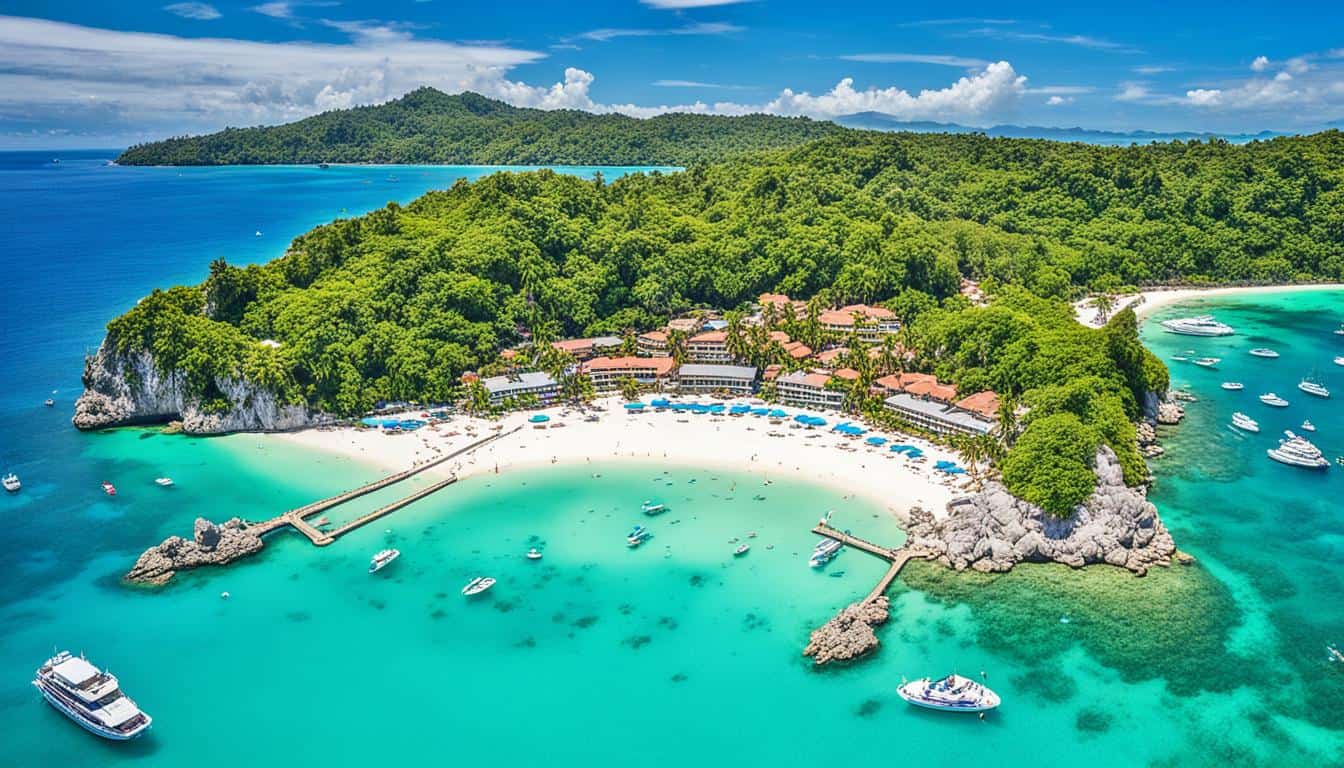
The crown jewel of Boracay is its White Beach, a 4-kilometer stretch of powdery white sand and azure waters. Divided into three stations, each section offers a unique experience:

  • Station 1: Known for luxury resorts and a quieter atmosphere, perfect for those seeking tranquility.
  • Station 2: The island’s entertainment hub, bustling with restaurants, shops, and vibrant nightlife.
  • Station 3: Offers a more laid-back vibe, catering to budget travelers and those wanting a more relaxed setting.

Activities and Adventures

Beyond sunbathing and swimming, Boracay offers a plethora of activities for adventure enthusiasts:

  • Water Sports: Engage in thrilling activities such as kite surfing, parasailing, and scuba diving to explore the diverse marine life.
  • Island Hopping: Discover nearby islands and hidden beaches through guided tours.
  • Hiking: Trek to Mount Luho for panoramic views of the island and surrounding seas.

Vibrant Nightlife

As the sun sets, Boracay transforms into a lively island with an array of bars and clubs. Visitors can enjoy beachfront parties, live music, and cultural performances that reflect the island’s festive spirit.

Sustainable Tourism

In recent years, Boracay has undergone significant rehabilitation to address environmental concerns and promote sustainable tourism. Efforts have focused on preserving its natural beauty while ensuring that tourism practices benefit both the environment and the local community.

Conclusion

Boracay Island is a stunning destination that offers something for every traveler. Whether you’re seeking relaxation on its pristine beaches or thrilling adventures in its waters, Boracay promises an unforgettable experience. With its commitment to sustainability, the island continues to be a jewel of the Philippines, welcoming visitors to enjoy its natural wonders responsibly.

Micronesia’s Natural Wonders: Coral Reefs – Volcanic Islands

loola-games.info – Nestled in the western Pacific Ocean, the island nation of Micronesia is a tropical paradise that boasts a plethora of natural wonders. From its vibrant coral reefs to its majestic volcanic islands, Micronesia offers a unique glimpse into the beauty of the Earth’s ecosystems. In this article, we will explore the diverse and captivating natural features that make Micronesia a must-visit destination for nature enthusiasts.

The Coral Reefs of Micronesia

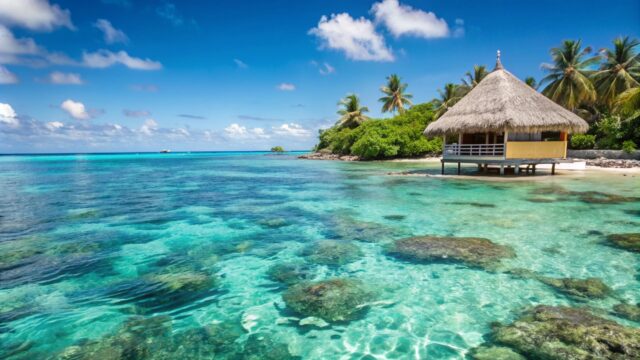
Micronesia is home to some of the most pristine coral reefs in the world. These underwater ecosystems are teeming with life, featuring a kaleidoscope of colors and an array of marine species. The reefs serve as a habitat for countless fish, invertebrates, and other marine organisms, contributing to the region’s rich biodiversity.

One of the most famous coral reefs in Micronesia is the Yap Islands’ reef, which is renowned for its clear waters and abundant marine life. Snorkelers and divers flock to these reefs to witness the spectacle of schools of fish, graceful manta rays, and the occasional sea turtle gliding through the water.

Volcanic Islands: A Testament to Earth’s Power

The volcanic islands of Micronesia are a testament to the raw power of the Earth. These islands, formed by volcanic activity, offer dramatic landscapes that include towering peaks, lush rainforests, and black sand beaches. The islands of Pohnpei and Kosrae are prime examples, with their rugged terrains and breathtaking views that attract adventurers and photographers alike.

The active volcano Anatahan, located in the Northern Mariana Islands, is another natural wonder that showcases the dynamic geological processes at work in Micronesia. The volcano’s periodic eruptions serve as a reminder of the ever-changing nature of these islands.

Marine Life: A Diverse and Thriving Community

The waters surrounding Micronesia are a haven for marine life. The region’s diverse habitats support a wide range of species, from the tiny but vital plankton to the majestic whales that migrate through these waters. The Palau Islands, part of the greater Micronesian region, are famous for their jellyfish lake, where millions of non-stinging jellyfish can be seen in a stunning natural display.

Micronesia’s commitment to conservation ensures that these marine ecosystems remain protected for future generations. The establishment of marine protected areas and the promotion of sustainable tourism practices help to safeguard the delicate balance of these underwater communities.

Cultural Significance of Micronesia’s Natural Wonders

The natural wonders of Micronesia are not only a source of awe for visitors but also hold deep cultural significance for the indigenous people. Many of the islands’ features are integral to the local folklore and traditions, with sacred sites and historical landmarks that reflect the region’s rich heritage.

The stone money of Yap, for example, is a unique cultural artifact that is closely tied to the natural environment. These large, carved disks, some of which are too heavy to move, are a testament to the islanders’ historical value system and their connection to the land and sea.

Conclusion

Micronesia’s natural wonders are a testament to the incredible diversity and beauty of our planet. From the vibrant coral reefs to the awe-inspiring volcanic islands, this island nation offers a glimpse into the intricate web of life that thrives in the Pacific Ocean. As we continue to explore and appreciate these wonders, it is crucial that we also work to protect them, ensuring that they remain a source of inspiration and life for generations to come.