
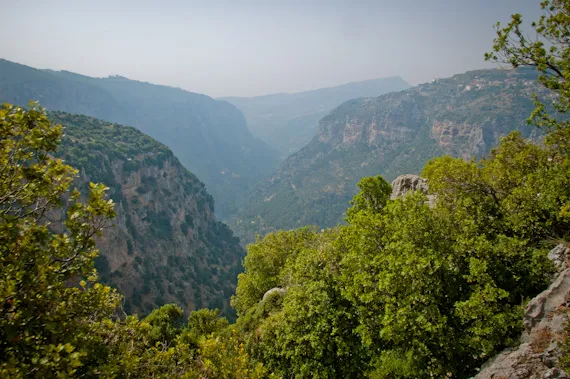
The Natural Beauty of Lebanon: Mountains, Valleys, and Coastlines

loola-games.info – Nestled in the heart of the Middle East, Lebanon is a country that boasts a remarkable blend of cultural heritage and breathtaking natural landscapes. From its majestic mountains to its fertile valleys and stunning coastlines, Lebanon offers a diverse range of natural beauty that captivates both locals and visitors alike. This article explores the unique features and attractions of Lebanon’s mountains, valleys, and coastlines.

Majestic Mountains

Lebanon is renowned for its impressive mountain ranges, with the most prominent being the Lebanon Mountains and the Anti-Lebanon Mountains. The Lebanon Mountains stretch along the length of the country, offering a stunning backdrop to the bustling cities below. These mountains are home to the famous Cedar of Lebanon, a symbol of the country’s rich history and natural beauty.

During the winter months, the mountains transform into a haven for snow enthusiasts. The ski resorts in areas like Faraya and the Cedars attract visitors from around the world, providing excellent facilities for skiing, snowboarding, and other winter sports. In the summer, the mountains offer a refreshing escape from the heat, with numerous hiking trails that reveal panoramic views of the surrounding landscapes.

Fertile Valleys

Between the mountain ranges lie Lebanon’s fertile valleys, most notably the Bekaa Valley. Known as the “breadbasket” of Lebanon, the Bekaa Valley is a key agricultural hub, producing a wide variety of crops, including grapes, olives, and wheat. The valley’s rich soil and favorable climate make it ideal for farming, supporting the country’s agricultural economy.

The Bekaa Valley is also home to some of Lebanon’s most significant historical and cultural sites. The ancient city of Baalbek, with its well-preserved Roman temples, attracts history enthusiasts and archeologists alike. Visiting these sites offers a glimpse into the region’s past and an appreciation for its ongoing cultural significance.

Stunning Coastlines

Lebanon’s coastline stretches for about 225 kilometers along the eastern Mediterranean Sea, offering a series of beautiful beaches, rocky cliffs, and charming coastal towns. The vibrant city of Beirut, the country’s capital, is situated along this coastline and combines urban energy with scenic seaside views.

Further along the coast, the city of Byblos is one of the oldest continuously inhabited cities in the world, with a picturesque harbor and ancient ruins that tell the story of its rich history. The coastal town of Tyre, known for its Roman ruins and sandy beaches, is another popular destination for those looking to relax by the sea.

The Mediterranean climate makes Lebanon’s coastline a perfect destination for beachgoers, with opportunities for swimming, water sports, and enjoying fresh seafood at local restaurants.

Conclusion

Lebanon’s natural beauty is as diverse as it is captivating. Its majestic mountains, fertile valleys, and stunning coastlines offer a variety of experiences for nature lovers and adventure seekers. Whether you’re skiing in the mountains, exploring ancient ruins in the valleys, or relaxing by the sea, Lebanon’s landscapes promise unforgettable memories and a deeper appreciation for the country’s natural wonders.
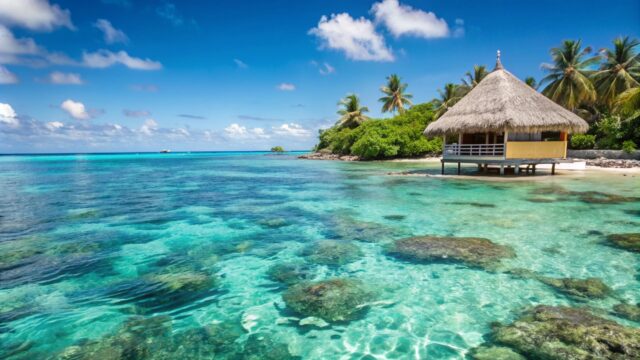
Micronesia’s Natural Wonders: Coral Reefs – Volcanic Islands

loola-games.info – Nestled in the western Pacific Ocean, the island nation of Micronesia is a tropical paradise that boasts a plethora of natural wonders. From its vibrant coral reefs to its majestic volcanic islands, Micronesia offers a unique glimpse into the beauty of the Earth’s ecosystems. In this article, we will explore the diverse and captivating natural features that make Micronesia a must-visit destination for nature enthusiasts.

The Coral Reefs of Micronesia

Micronesia is home to some of the most pristine coral reefs in the world. These underwater ecosystems are teeming with life, featuring a kaleidoscope of colors and an array of marine species. The reefs serve as a habitat for countless fish, invertebrates, and other marine organisms, contributing to the region’s rich biodiversity.

One of the most famous coral reefs in Micronesia is the Yap Islands’ reef, which is renowned for its clear waters and abundant marine life. Snorkelers and divers flock to these reefs to witness the spectacle of schools of fish, graceful manta rays, and the occasional sea turtle gliding through the water.

Volcanic Islands: A Testament to Earth’s Power

The volcanic islands of Micronesia are a testament to the raw power of the Earth. These islands, formed by volcanic activity, offer dramatic landscapes that include towering peaks, lush rainforests, and black sand beaches. The islands of Pohnpei and Kosrae are prime examples, with their rugged terrains and breathtaking views that attract adventurers and photographers alike.

The active volcano Anatahan, located in the Northern Mariana Islands, is another natural wonder that showcases the dynamic geological processes at work in Micronesia. The volcano’s periodic eruptions serve as a reminder of the ever-changing nature of these islands.

Marine Life: A Diverse and Thriving Community

The waters surrounding Micronesia are a haven for marine life. The region’s diverse habitats support a wide range of species, from the tiny but vital plankton to the majestic whales that migrate through these waters. The Palau Islands, part of the greater Micronesian region, are famous for their jellyfish lake, where millions of non-stinging jellyfish can be seen in a stunning natural display.

Micronesia’s commitment to conservation ensures that these marine ecosystems remain protected for future generations. The establishment of marine protected areas and the promotion of sustainable tourism practices help to safeguard the delicate balance of these underwater communities.

Cultural Significance of Micronesia’s Natural Wonders

The natural wonders of Micronesia are not only a source of awe for visitors but also hold deep cultural significance for the indigenous people. Many of the islands’ features are integral to the local folklore and traditions, with sacred sites and historical landmarks that reflect the region’s rich heritage.

The stone money of Yap, for example, is a unique cultural artifact that is closely tied to the natural environment. These large, carved disks, some of which are too heavy to move, are a testament to the islanders’ historical value system and their connection to the land and sea.

Conclusion

Micronesia’s natural wonders are a testament to the incredible diversity and beauty of our planet. From the vibrant coral reefs to the awe-inspiring volcanic islands, this island nation offers a glimpse into the intricate web of life that thrives in the Pacific Ocean. As we continue to explore and appreciate these wonders, it is crucial that we also work to protect them, ensuring that they remain a source of inspiration and life for generations to come.