
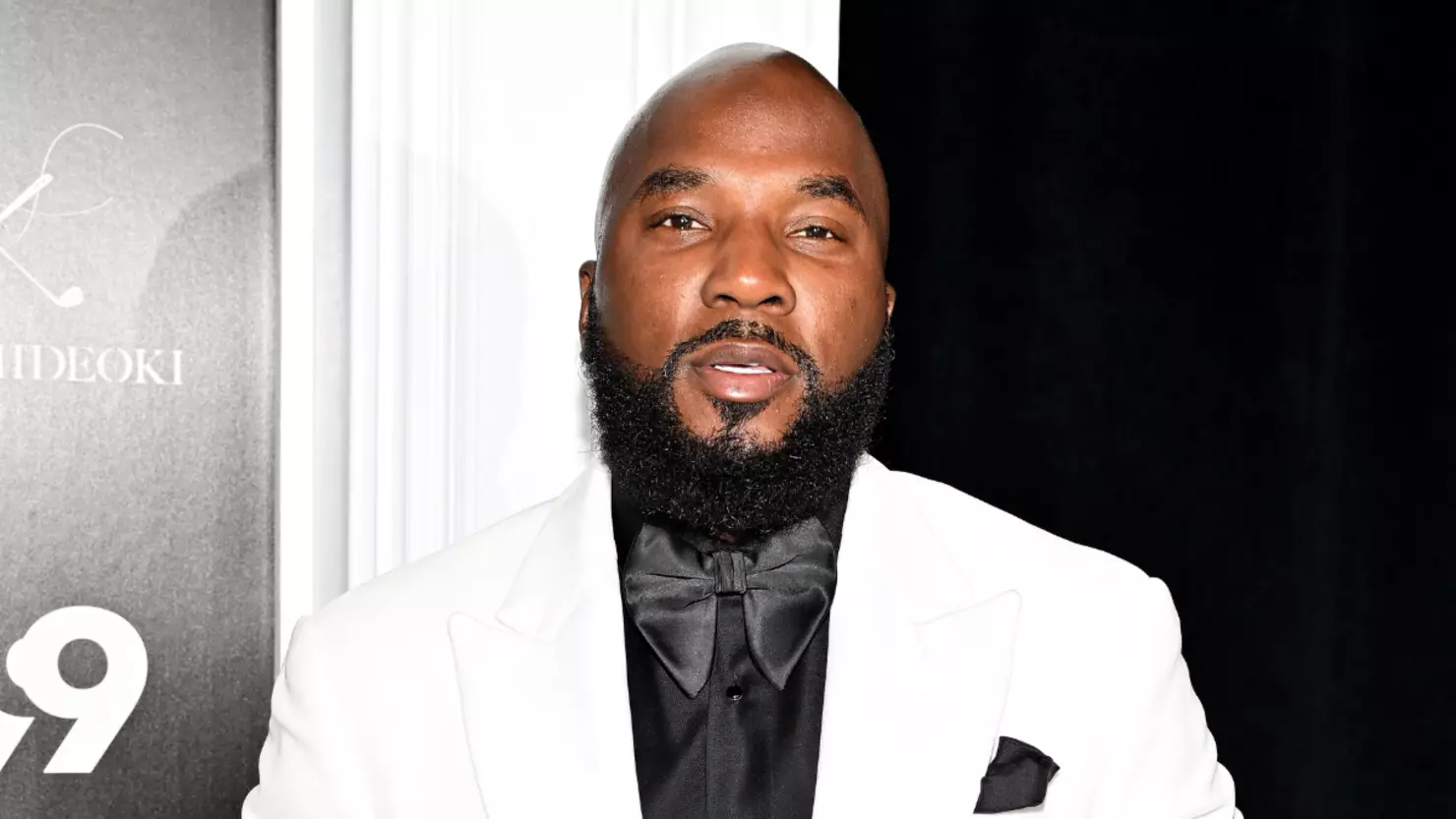
Jeezy: The Snowman Who Shaped Modern Trap Music

loola-games.info – Jay Jenkins, better known by his stage name Jeezy, is one of the most influential figures in the world of hip-hop. With his gruff voice, streetwise lyrics, and gritty tales of hustle, Jeezy has carved out a distinct place in the rap game. As a founding figure in the trap music genre, Jeezy’s journey from the streets of Atlanta to international stardom reflects the transformative power of hip-hop and its ability to connect with people from all walks of life. Throughout his career, Jeezy has evolved from a regional street rapper to a global ambassador of trap music, all while maintaining a raw authenticity that has won him millions of fans.

Early Life and Struggles in Atlanta

Jeezy was born on September 28, 1977, in Columbia, South Carolina, but he spent much of his formative years in Atlanta, Georgia. His childhood was marked by hardship and struggle, and like many artists from difficult backgrounds, Jeezy’s early experiences with poverty and street life became the foundation for much of his music. Growing up in Atlanta during the rise of the city’s influence on hip-hop, Jeezy was exposed to a rich culture of music and entrepreneurship.

Before pursuing music full-time, Jeezy was involved in the drug trade, an experience that would deeply influence his art. He used the streets as a backdrop for his rise, and his lyrics reflect the realities of the hustle and the harshness of street life. This authenticity—coupled with his natural talent for storytelling—would become a hallmark of his style and help him connect with listeners who resonated with his experiences.

Breaking Into Hip-Hop with Thuggin’ Under the Influence and Let’s Get It: Thug Motivation 101

Jeezy’s journey into the rap scene began in the early 2000s. His first major project, Thuggin’ Under the Influence (2001), was released under the name “Lil J,” but it didn’t initially make much of an impact. However, in 2005, Jeezy released Let’s Get It: Thug Motivation 101, his first studio album under the name “Young Jeezy,” and it was this album that truly set him apart in the world of hip-hop.

Thug Motivation 101 was a game-changer. Featuring hit singles like Soul Survivor (featuring Akon) and Go Crazy (with Jay-Z), the album introduced Jeezy’s gritty, motivational style to a larger audience. The album’s themes of resilience, overcoming obstacles, and staying true to the streets struck a chord with fans, and it quickly went on to become a commercial success. The album debuted at #2 on the Billboard 200 and was certified Platinum by the RIAA, cementing Jeezy’s place in the hip-hop world.

Thug Motivation 101 was not just an album; it was a movement. Jeezy’s portrayal of the “snowman” persona—a metaphor for the drug trade—resonated with fans who felt his message of hustling to survive. This became the foundation of Jeezy’s musical identity and the beginning of his role as a leader in the trap music movement.

Success and the Rise of Trap Music

Following the success of Thug Motivation 101, Jeezy continued to build on his momentum with subsequent albums. His sophomore album, The Inspiration (2006), featured hits like I Luv It and Go Getta and solidified his position in the trap rap genre. The album went Gold and produced several successful singles, including the fan-favorite Dreamin’. His raw street lyricism and infectious delivery made him a key figure in the genre and influenced a new wave of trap rappers.

By the time Jeezy released The Recession (2008), he had cemented his place in the mainstream rap world. The album, which addressed the economic struggles of the time and continued Jeezy’s narrative of hustle, hit #1 on the Billboard 200 and spawned tracks like Put On (featuring Kanye West) and My President (featuring Nas). The album’s themes of overcoming adversity resonated with a wide audience, and Jeezy became not just a street rapper but also a voice for those affected by the economic downturn.

Jeezy’s Distinct Sound and Influence on Trap Music

Jeezy is often credited as one of the originators of the modern trap sound, which blends hard-hitting beats with lyrics that reflect the challenges of street life. His early work, particularly his collaborations with producers like Shawty Redd, was instrumental in shaping the blueprint for trap music. Jeezy’s flow, often characterized by a deep, raspy delivery and a sense of urgency, became a defining characteristic of the genre.

Trap music, which was initially rooted in Atlanta’s underground rap scene, took on a life of its own in the mid-2000s, and Jeezy was at the forefront of this movement. Alongside artists like T.I. and Gucci Mane, Jeezy helped define trap music as both a genre and a lifestyle. His ability to craft catchy hooks, paired with his detailed storytelling and street authenticity, made him a key figure in the genre’s rise to prominence.

Later Career and Entrepreneurial Ventures

As Jeezy’s music evolved, so did his career. After a series of successful albums, including TM103: Hustlerz Ambition (2011) and Seen It All: The Autobiography (2014), Jeezy shifted his focus to entrepreneurial ventures and community activism. He became involved in several business endeavors, including launching his own record label, Corporate Thugz Entertainment (CTE), and focusing on his personal brand.

Jeezy’s growth as an entrepreneur reflects his desire to expand his influence beyond music. In 2015, he even released his memoir, Adversity for Sale, where he reflected on his life and the lessons he’d learned along the way. He became a motivational figure for those who had been through similar struggles, and his message of resilience and perseverance continued to inspire fans.

Collaborations and Influence on a New Generation

Jeezy has maintained relevance in the rap game by collaborating with a wide range of artists across different genres. His collaborations with artists like Future, Rick Ross, and Lil Wayne have kept him connected to the modern rap scene. Furthermore, Jeezy’s influence can be heard in the music of younger artists such as 21 Savage, Lil Baby, and Gunna, who have drawn inspiration from his trap origins and street narratives.

Jeezy’s ability to stay relevant across multiple generations of rap has only solidified his status as a legend in the game. His influence on trap music and his impact on Atlanta’s music scene have made him a trailblazer who helped shape the direction of modern hip-hop.

Legacy and Continuing Impact

Jeezy’s legacy is multifaceted. As one of the founding fathers of trap music, he helped shape the sound and culture of hip-hop, making him a key figure in the genre’s evolution. Beyond his musical contributions, Jeezy’s life story—his rise from the streets to success—has served as an inspiration to many. He embodies the principles of hard work, perseverance, and staying true to oneself, which resonate deeply with his fans.

In 2020, Jeezy released The Recession 2, a sequel to his 2008 album The Recession, addressing the new economic challenges faced by America. The album reflected Jeezy’s growth as an artist and an individual, and it showcased his ability to adapt his storytelling to the current climate.

Conclusion

Jeezy’s journey from street hustler to rap icon has been one of the most compelling stories in hip-hop. Through his gritty lyrics, his entrepreneurial spirit, and his dedication to staying true to his roots, Jeezy has earned his place as one of the legends of modern rap. His influence on trap music, his impact on Atlanta’s music scene, and his status as a mentor to a new generation of artists will continue to resonate in the years to come. Jeezy’s “snowman” persona will forever be synonymous with hustle, resilience, and the unyielding pursuit of success in the face of adversity.
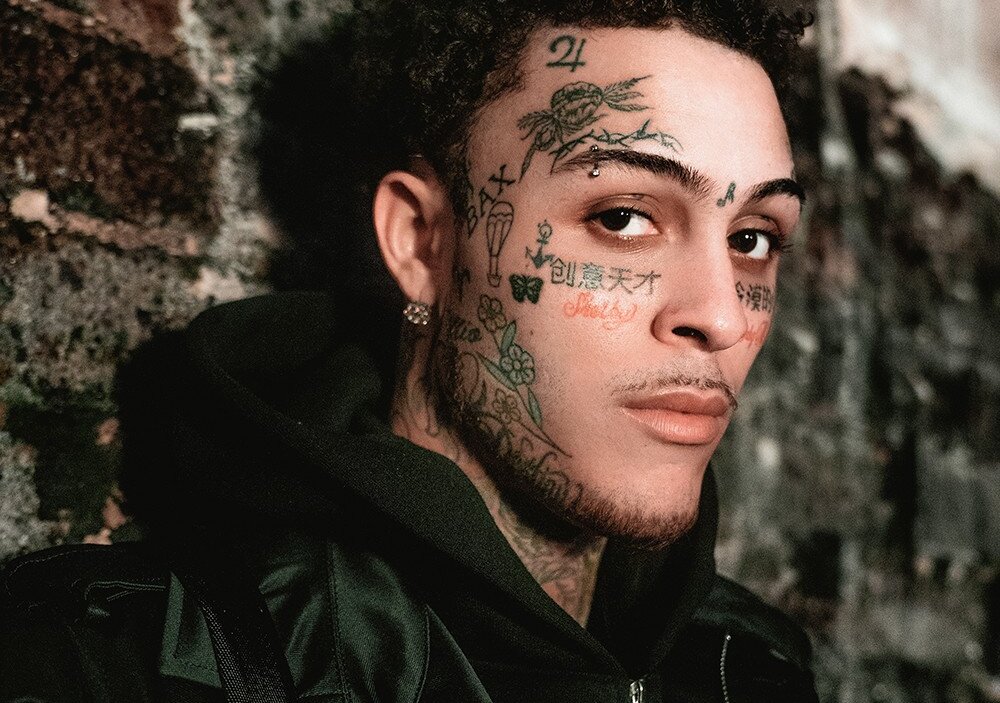
Lil Skies: The Rising Star of Melodic Rap and Trap Music

loola-games.info – Lil Skies, born Kimetrius Christopher Foose on August 4, 1998, in Waynesboro, Pennsylvania, is a young American rapper, singer, and songwriter who has quickly gained recognition in the rap scene for his melodic approach to trap music. Known for his smooth, catchy hooks and introspective lyrics, Lil Skies has become one of the prominent voices in the modern wave of hip-hop, blending emotional vulnerability with high-energy trap beats. His rise to fame represents the evolution of the genre and his unique ability to create relatable music that resonates with a diverse audience.

Early Life and Musical Beginnings

Lil Skies was raised in Waynesboro, a small town in Pennsylvania, where he was exposed to music at an early age. His father, who was a rapper himself, introduced him to the world of music and encouraged him to pursue his passion. Skies started rapping at the age of 4, and by the time he was in high school, he was already recording and releasing music. Despite growing up in a relatively quiet town, Skies was heavily influenced by the sounds of both mainstream rap and underground hip-hop, drawing inspiration from artists such as Future, Lil Wayne, and Young Thug.

His musical journey took a serious turn when he decided to focus on his music career after high school. Moving to the larger city of Harrisburg, he began recording more seriously and gained a following on SoundCloud, where he first began to release his tracks. It was through this platform that Lil Skies began to develop his signature sound—a melodic fusion of trap beats, catchy hooks, and emotionally charged lyrics.

Breakout Success with “The Life of a Dark Rose”

Lil Skies’ breakthrough moment came in 2017 when he released his mixtape The Life of a Dark Rose. The project was an instant success, charting on the Billboard 200 and introducing the world to his unique style. The mixtape featured the hit singles “Red Roses” and “Nowadays,” the latter of which, featuring Landon Cube, became an anthem for fans of melodic trap music.

“Red Roses,” with its catchy melody and introspective lyrics, quickly went viral, earning millions of streams on platforms like SoundCloud and Spotify. This track helped solidify Lil Skies’ place in the modern rap scene, showcasing his ability to blend melodic hooks with trap production. His music resonated with a young audience, especially those drawn to Skies’ honesty and vulnerability in his lyrics.

The mixtape’s success earned him widespread recognition, and he quickly became one of the key figures in the new wave of hip-hop artists who were reshaping the sound of modern rap. The combination of emotional depth and energetic trap beats set Lil Skies apart from his peers, allowing him to build a strong and loyal fanbase.

Expanding His Sound with “Shelby”

In 2019, Lil Skies released his debut studio album Shelby, named after his mother. The album was highly anticipated, building on the success of his previous mixtape while showcasing growth in his sound. Shelby featured singles like “I” and “Riot,” which continued his signature blend of trap and melodic elements. The album’s success solidified Skies as a mainstream artist, debuting in the top 10 on the Billboard 200.

On Shelby, Lil Skies expanded his musical palette, experimenting with different sounds and collaborations. He worked with artists such as Gunna, Wiz Khalifa, and Yung Pinch, further cementing his place within the rap community. The album also explored more mature themes, including fame, relationships, and personal struggles, showcasing Skies’ growth as both an artist and an individual.

While Shelby was still rooted in the trap genre, it showed a more polished side of Lil Skies’ musical evolution. His ability to craft catchy hooks, paired with introspective lyrics, continued to set him apart from his contemporaries, and the album earned him critical praise for its cohesive sound and relatable content.

Musical Style and Themes

Lil Skies’ musical style is a mix of trap, melodic rap, and emotional vulnerability, which has helped him carve out a distinct space in the modern hip-hop landscape. His songs often feature atmospheric beats, smooth flows, and infectious hooks, creating a sound that is both introspective and anthemic. This style has resonated with a generation of listeners who crave authenticity and emotional connection in the music they consume.

Lyrically, Lil Skies frequently touches on themes of love, personal growth, mental health, and the challenges of fame. His introspective approach to songwriting allows listeners to relate to his experiences, while his high-energy delivery keeps the music accessible to fans of trap and rap. Skies’ ability to balance raw emotion with infectious energy has become a defining characteristic of his music.

The Influence of Social Media and SoundCloud

Like many of his peers, Lil Skies owes much of his success to the power of social media and streaming platforms, particularly SoundCloud. The platform became a launchpad for his early music, allowing him to build a grassroots following and connect directly with his fans. SoundCloud also played a key role in popularizing the new wave of melodic rap and trap, which Skies was at the forefront of.

Through his presence on social media and streaming platforms, Lil Skies was able to cultivate a loyal fanbase that has grown with him as he continues to evolve as an artist. His ability to connect with fans through his music and personal social media accounts has helped him maintain a strong presence in the industry, even as the rap landscape continues to shift.

Growth and Future of Lil Skies

As of 2025, Lil Skies continues to build on the foundation laid by his early mixtapes and albums. His growth as an artist is evident in his evolving sound, as he incorporates new styles and themes into his music while staying true to his melodic trap roots. His recent releases continue to demonstrate his ability to craft relatable music that resonates with a wide audience, and his fanbase remains strong.

In the years to come, Lil Skies is poised to expand his influence even further. Whether through his solo projects, collaborations, or ventures into other artistic pursuits, Skies’ unique blend of trap and melodic rap ensures that he will remain a significant figure in the industry for years to come.

Conclusion

Lil Skies’ rise to prominence in the rap world represents the changing face of hip-hop, with his blend of melodic hooks, introspective lyrics, and high-energy trap beats capturing the attention of a global audience. From his breakout mixtape The Life of a Dark Rose to his debut album Shelby, Lil Skies has proven that he is a force to be reckoned with in the modern rap scene. His ability to balance emotional depth with infectious energy has earned him a loyal fanbase and a place among the top artists of his generation. As he continues to evolve, Lil Skies’ future in hip-hop looks brighter than ever.

The Role of Music in Healing a Broken Heart

loola-games.info – Music has been an integral part of human culture for centuries, serving as a companion through life’s ups and downs. When it comes to healing a broken heart, music plays a unique and powerful role. It can soothe the soul, provide comfort, and even aid in the process of emotional healing. This article explores the various ways in which music can help mend a broken heart and the science behind its therapeutic effects.

The Emotional Connection to Music

Music has a profound ability to evoke emotions and connect with our innermost feelings. When we listen to music, it can resonate with our emotional state, providing a sense of understanding and companionship. This emotional connection is crucial in the healing process, as it allows individuals to express and process their feelings.

Music as a Form of Therapy

Music therapy is a recognized form of treatment that uses music to address physical, emotional, cognitive, and social needs. In the context of healing a broken heart, music therapy can help individuals work through their grief, anger, and sadness. Therapists may use specific songs or genres to elicit emotions, encourage expression, and facilitate healing.

The Science Behind Music’s Healing Power

Research has shown that music can have a significant impact on our physiological and psychological well-being. Listening to music can reduce stress hormones, lower blood pressure, and decrease heart rate, all of which are beneficial when dealing with emotional pain. Additionally, music can stimulate the release of endorphins, the body’s natural feel-good chemicals, providing a sense of relief and pleasure.

How Music Can Help Heal a Broken Heart

1. Providing Comfort and Solace

Music can offer comfort during times of sorrow. Slow, calming melodies can soothe the mind and provide a sense of peace, making it easier to cope with heartache.

2. Encouraging Emotional Expression

Certain songs can prompt us to express our emotions, whether through tears, dancing, or singing along. This expression is a vital part of the healing process, allowing us to release pent-up feelings.

3. Fostering Reflection and Insight

Music can inspire introspection, helping us to reflect on our feelings and gain insight into our emotional state. This self-awareness is crucial for moving forward and healing.

4. Promoting Positive Mood

Uplifting and energizing music can help lift our spirits, providing a much-needed boost when we’re feeling down. It can motivate us to engage in activities and reconnect with the world around us.

5. Aiding in the Formation of New Memories

Creating new associations with music can help break the cycle of painful memories. Listening to new songs or genres can form positive new experiences, helping to redefine our emotional landscape.

Conclusion

The role of music in healing a broken heart is undeniable. It offers a non-invasive, accessible, and deeply personal form of therapy that can aid in the emotional healing process. Whether through professional music therapy or simply listening to our favorite songs, music has the power to comfort, inspire, and ultimately help us mend a broken heart. As we navigate through the complexities of heartache, let us not underestimate the healing melody of music.