
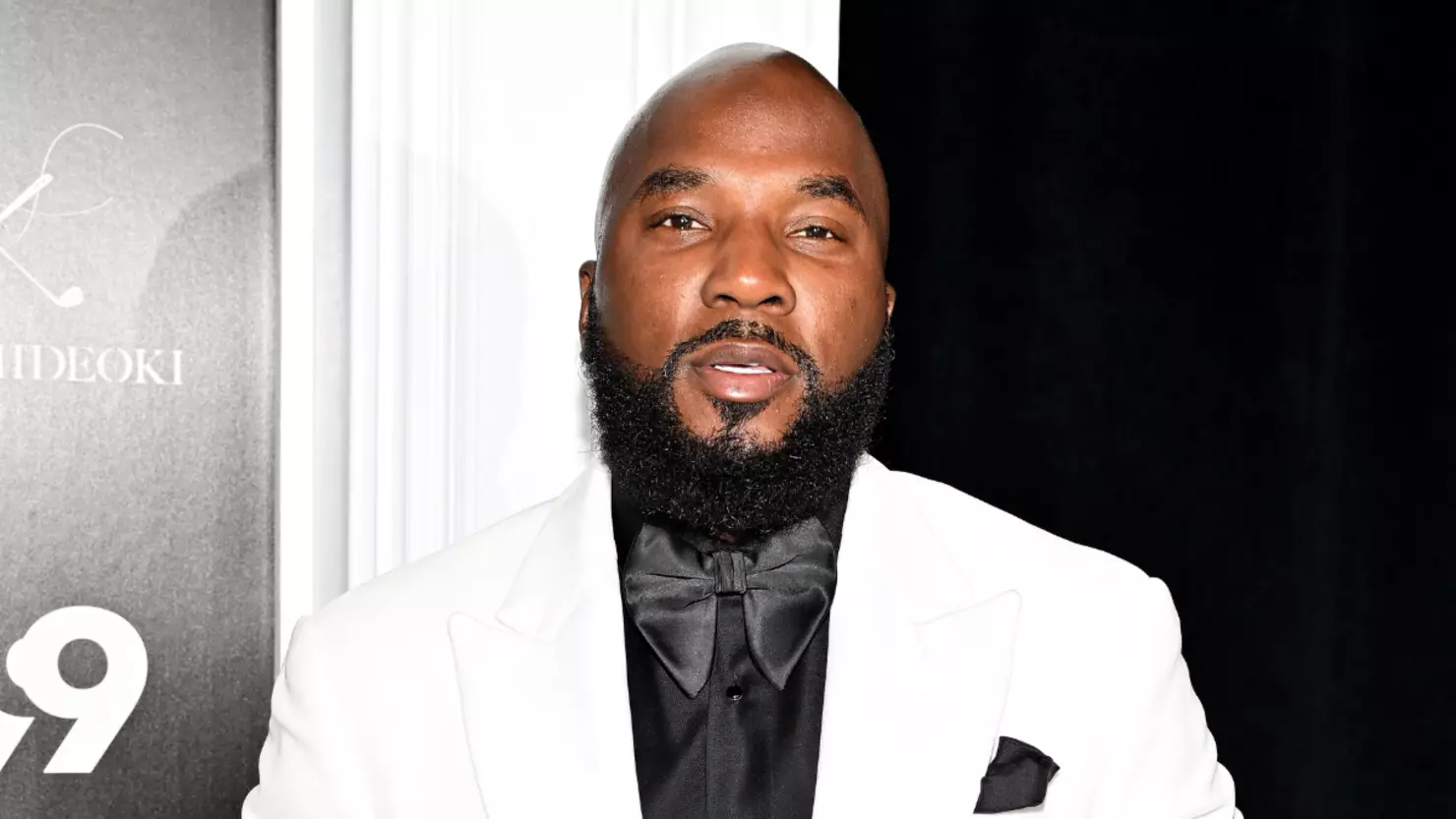
loola-games.info – Jay Jenkins, better known by his stage name Jeezy, is one of the most influential figures in the world of hip-hop. With his gruff voice, streetwise lyrics, and gritty tales of hustle, Jeezy has carved out a distinct place in the rap game. As a founding figure in the trap music genre, Jeezy’s journey from the streets of Atlanta to international stardom reflects the transformative power of hip-hop and its ability to connect with people from all walks of life. Throughout his career, Jeezy has evolved from a regional street rapper to a global ambassador of trap music, all while maintaining a raw authenticity that has won him millions of fans.
Early Life and Struggles in Atlanta
Jeezy was born on September 28, 1977, in Columbia, South Carolina, but he spent much of his formative years in Atlanta, Georgia. His childhood was marked by hardship and struggle, and like many artists from difficult backgrounds, Jeezy’s early experiences with poverty and street life became the foundation for much of his music. Growing up in Atlanta during the rise of the city’s influence on hip-hop, Jeezy was exposed to a rich culture of music and entrepreneurship.
Before pursuing music full-time, Jeezy was involved in the drug trade, an experience that would deeply influence his art. He used the streets as a backdrop for his rise, and his lyrics reflect the realities of the hustle and the harshness of street life. This authenticity—coupled with his natural talent for storytelling—would become a hallmark of his style and help him connect with listeners who resonated with his experiences.
Breaking Into Hip-Hop with Thuggin’ Under the Influence and Let’s Get It: Thug Motivation 101
Jeezy’s journey into the rap scene began in the early 2000s. His first major project, Thuggin’ Under the Influence (2001), was released under the name “Lil J,” but it didn’t initially make much of an impact. However, in 2005, Jeezy released Let’s Get It: Thug Motivation 101, his first studio album under the name “Young Jeezy,” and it was this album that truly set him apart in the world of hip-hop.
Thug Motivation 101 was a game-changer. Featuring hit singles like Soul Survivor (featuring Akon) and Go Crazy (with Jay-Z), the album introduced Jeezy’s gritty, motivational style to a larger audience. The album’s themes of resilience, overcoming obstacles, and staying true to the streets struck a chord with fans, and it quickly went on to become a commercial success. The album debuted at #2 on the Billboard 200 and was certified Platinum by the RIAA, cementing Jeezy’s place in the hip-hop world.
Thug Motivation 101 was not just an album; it was a movement. Jeezy’s portrayal of the “snowman” persona—a metaphor for the drug trade—resonated with fans who felt his message of hustling to survive. This became the foundation of Jeezy’s musical identity and the beginning of his role as a leader in the trap music movement.
Success and the Rise of Trap Music
Following the success of Thug Motivation 101, Jeezy continued to build on his momentum with subsequent albums. His sophomore album, The Inspiration (2006), featured hits like I Luv It and Go Getta and solidified his position in the trap rap genre. The album went Gold and produced several successful singles, including the fan-favorite Dreamin’. His raw street lyricism and infectious delivery made him a key figure in the genre and influenced a new wave of trap rappers.
By the time Jeezy released The Recession (2008), he had cemented his place in the mainstream rap world. The album, which addressed the economic struggles of the time and continued Jeezy’s narrative of hustle, hit #1 on the Billboard 200 and spawned tracks like Put On (featuring Kanye West) and My President (featuring Nas). The album’s themes of overcoming adversity resonated with a wide audience, and Jeezy became not just a street rapper but also a voice for those affected by the economic downturn.
Jeezy’s Distinct Sound and Influence on Trap Music
Jeezy is often credited as one of the originators of the modern trap sound, which blends hard-hitting beats with lyrics that reflect the challenges of street life. His early work, particularly his collaborations with producers like Shawty Redd, was instrumental in shaping the blueprint for trap music. Jeezy’s flow, often characterized by a deep, raspy delivery and a sense of urgency, became a defining characteristic of the genre.
Trap music, which was initially rooted in Atlanta’s underground rap scene, took on a life of its own in the mid-2000s, and Jeezy was at the forefront of this movement. Alongside artists like T.I. and Gucci Mane, Jeezy helped define trap music as both a genre and a lifestyle. His ability to craft catchy hooks, paired with his detailed storytelling and street authenticity, made him a key figure in the genre’s rise to prominence.
Later Career and Entrepreneurial Ventures
As Jeezy’s music evolved, so did his career. After a series of successful albums, including TM103: Hustlerz Ambition (2011) and Seen It All: The Autobiography (2014), Jeezy shifted his focus to entrepreneurial ventures and community activism. He became involved in several business endeavors, including launching his own record label, Corporate Thugz Entertainment (CTE), and focusing on his personal brand.
Jeezy’s growth as an entrepreneur reflects his desire to expand his influence beyond music. In 2015, he even released his memoir, Adversity for Sale, where he reflected on his life and the lessons he’d learned along the way. He became a motivational figure for those who had been through similar struggles, and his message of resilience and perseverance continued to inspire fans.
Collaborations and Influence on a New Generation
Jeezy has maintained relevance in the rap game by collaborating with a wide range of artists across different genres. His collaborations with artists like Future, Rick Ross, and Lil Wayne have kept him connected to the modern rap scene. Furthermore, Jeezy’s influence can be heard in the music of younger artists such as 21 Savage, Lil Baby, and Gunna, who have drawn inspiration from his trap origins and street narratives.
Jeezy’s ability to stay relevant across multiple generations of rap has only solidified his status as a legend in the game. His influence on trap music and his impact on Atlanta’s music scene have made him a trailblazer who helped shape the direction of modern hip-hop.
Legacy and Continuing Impact
Jeezy’s legacy is multifaceted. As one of the founding fathers of trap music, he helped shape the sound and culture of hip-hop, making him a key figure in the genre’s evolution. Beyond his musical contributions, Jeezy’s life story—his rise from the streets to success—has served as an inspiration to many. He embodies the principles of hard work, perseverance, and staying true to oneself, which resonate deeply with his fans.
In 2020, Jeezy released The Recession 2, a sequel to his 2008 album The Recession, addressing the new economic challenges faced by America. The album reflected Jeezy’s growth as an artist and an individual, and it showcased his ability to adapt his storytelling to the current climate.
Conclusion
Jeezy’s journey from street hustler to rap icon has been one of the most compelling stories in hip-hop. Through his gritty lyrics, his entrepreneurial spirit, and his dedication to staying true to his roots, Jeezy has earned his place as one of the legends of modern rap. His influence on trap music, his impact on Atlanta’s music scene, and his status as a mentor to a new generation of artists will continue to resonate in the years to come. Jeezy’s “snowman” persona will forever be synonymous with hustle, resilience, and the unyielding pursuit of success in the face of adversity.