
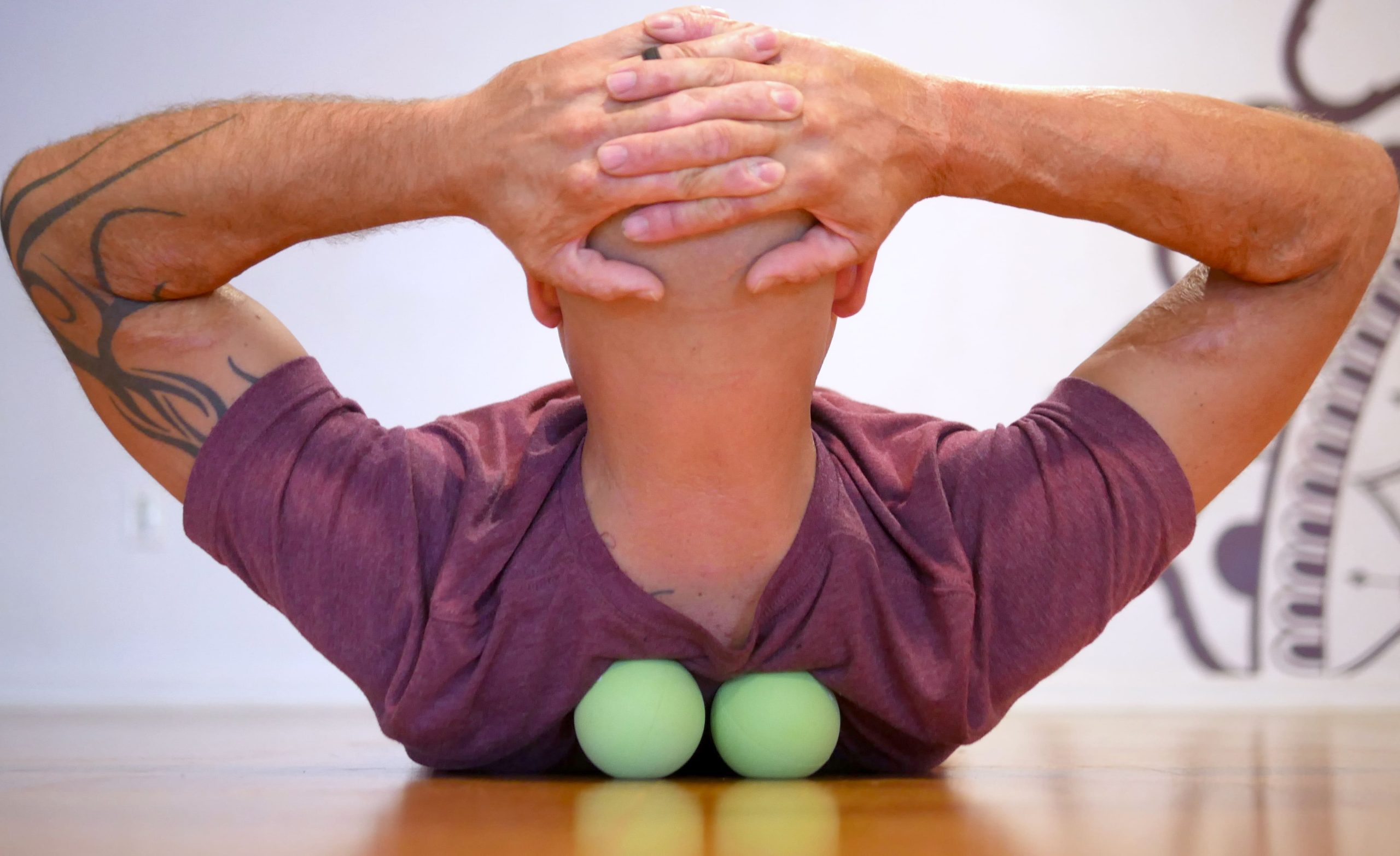
loola-games.info – Massage balls are small, portable tools designed to target specific areas of the body for self-myofascial release, a technique commonly used to relieve muscle tightness, improve flexibility, and reduce pain. Whether you’re an athlete recovering from intense training, someone with chronic muscle tension, or just looking for an easy way to enhance your self-care routine, massage balls can offer significant benefits.
In this comprehensive guide, we will delve into the types of massage balls, their benefits, how to use them effectively, and how they can be incorporated into your fitness or wellness routine to improve your overall mobility and muscle health.
What Are Massage Balls?
Massage balls are small, typically round tools made of a firm yet pliable material like rubber, foam, or silicone. They come in various sizes, textures, and densities, each designed to target specific muscle groups for deep tissue massage and myofascial release. The purpose of the massage ball is to apply pressure to tight or sore areas of the body, helping to break up muscle knots, improve blood flow, and release tension in the fascia—the connective tissue that surrounds muscles.
Unlike foam rollers, which are larger and generally used for rolling across large areas of the body, massage balls are more precise and can be used to target smaller muscle groups or trigger points. They are often used on the neck, shoulders, back, calves, feet, and glutes, among other areas.
Benefits of Using Massage Balls
Massage balls provide several key benefits for anyone looking to alleviate muscle discomfort, improve flexibility, or boost recovery time. Let’s explore the advantages of using massage balls for muscle health and wellness:
1. Relieves Muscle Tension and Tightness
One of the primary benefits of using a massage ball is its ability to relieve muscle tension and tightness. Whether due to poor posture, stress, or physical activity, tight muscles can lead to discomfort and reduced range of motion. By applying targeted pressure to specific areas of the body, a massage ball helps release knots (also known as trigger points) and restore muscle elasticity.
2. Improves Blood Circulation
The pressure applied by the massage ball stimulates blood flow to the muscles and surrounding tissues. This increased circulation helps oxygen and nutrients reach the muscles, promoting healing and reducing muscle stiffness. Better circulation can also help decrease soreness and accelerate muscle recovery after exercise.
3. Reduces Pain and Discomfort
Massage balls are effective at alleviating pain and discomfort caused by muscle tightness, overuse, or injury. The deep pressure applied during self-massage can help deactivate trigger points and ease the pain associated with conditions such as sciatica, plantar fasciitis, and tension headaches. Consistent use of a massage ball can also promote better posture, which in turn may reduce pain in the back, neck, and shoulders.
4. Enhances Flexibility and Range of Motion
Regular use of a massage ball can significantly improve your flexibility and range of motion. The pressure from the ball helps release fascia and muscle tissue, making it easier for muscles to lengthen and move freely. This is particularly beneficial for individuals with tight hips, hamstrings, or shoulders, or anyone looking to improve their flexibility for sports or physical activity.
5. Aids in Post-Workout Recovery
Massage balls are commonly used for post-workout recovery to alleviate soreness and speed up the healing process. After a workout, muscle fibers undergo micro-tears that need time to repair. Using a massage ball to work through tight spots helps promote faster recovery by improving circulation and reducing muscle stiffness. This is especially important for athletes, fitness enthusiasts, and those engaging in regular exercise routines.
6. Increases Relaxation and Reduces Stress
Self-massage with a massage ball can help calm the nervous system and promote relaxation. When used on areas such as the neck, shoulders, and feet, the pressure helps reduce muscle tension, which can alleviate stress and anxiety. Regular use of the massage ball can create a sense of well-being and relaxation, making it a valuable tool for both physical and mental health.
7. Portable and Convenient
One of the biggest advantages of using a massage ball is its portability. These compact tools are small enough to carry with you wherever you go, making them ideal for quick relief throughout the day. Whether you’re at work, traveling, or at the gym, you can use a massage ball to address tension and muscle soreness whenever necessary. Unlike traditional massage therapy, which requires appointments and travel, massage balls allow you to target areas of discomfort on your own schedule.
Types of Massage Balls
Massage balls come in various shapes, sizes, and textures to cater to different needs and preferences. Choosing the right type of massage ball depends on the intensity of the pressure you want, the area of your body you’re targeting, and your personal preferences. Here are some common types of massage balls:
1. Standard Massage Balls
These are the most common type of massage balls. They are usually made of rubber or foam and come in sizes ranging from 2 to 3 inches in diameter. Standard massage balls are versatile and can be used for a variety of body parts, including the back, shoulders, hips, and legs. They are firm enough to provide deep tissue relief but not so hard that they cause discomfort.
- Best for: General use, all body areas.
- Material: Rubber, foam, or silicone.
- Size: 2 to 3 inches.
2. Peanut Massage Balls
Peanut-shaped massage balls are often used for spinal and back relief. The shape allows you to target both sides of your spine simultaneously while avoiding direct pressure on the vertebrae. These balls are typically firm and can be used to relieve tension in the lower back, upper back, and shoulders. They are also effective for releasing muscle tightness in the calves, hamstrings, and glutes.
- Best for: Spinal alignment, lower back, and glutes.
- Material: Rubber or silicone.
- Size: Two small balls connected by a center.
3. Spiky Massage Balls
Spiky massage balls feature raised bumps or spikes on the surface, which provide a more intense form of massage. These balls are particularly effective at stimulating circulation and providing deep tissue relief. The spiky surface can help target and release muscle knots with more precision. They are often used for foot massage (plantar fasciitis) and for deep tissue massage on large muscle groups like the thighs, back, and shoulders.
- Best for: Deep tissue massage, reflexology, foot massage.
- Material: Rubber or PVC.
- Size: 2 to 3 inches.
4. Double-Layered Massage Balls
Double-layered massage balls are constructed with two materials of different firmness or texture, which create a unique massaging experience. The combination of soft and firm layers provides deeper pressure, making these balls ideal for individuals with more advanced myofascial release needs. They are often used by athletes or individuals with chronic muscle tension.
- Best for: Advanced muscle tension, deep tissue relief.
- Material: Dual materials, often with a soft exterior and firm inner core.
- Size: 3 to 5 inches.
5. Foam Massage Balls
Foam massage balls are larger and softer than traditional rubber or spiky balls, making them more comfortable for beginners or those with sensitive muscles. These balls provide a gentler massage, ideal for relieving tension in the larger muscle groups like the thighs and calves. Foam massage balls can also be used on the back and shoulders for more gentle pressure.
- Best for: Beginners, sensitive muscles, larger muscle groups.
- Material: Foam.
- Size: 4 to 5 inches.
6. Mini Massage Balls
Mini massage balls are small in size, typically around 1 to 2 inches in diameter, and are perfect for precision work on smaller areas like the feet, hands, and forearms. Their compact size makes them easy to carry and use for targeted relief during the day.
- Best for: Precision massage, smaller body areas like feet and hands.
- Material: Rubber, foam.
- Size: 1 to 2 inches.
How to Use Massage Balls Effectively
Using a massage ball is simple, but effective use requires some knowledge of technique and form. Below are step-by-step instructions for using a massage ball effectively:
1. Identify Target Areas
Before using a massage ball, identify the areas where you feel tightness, discomfort, or muscle soreness. Common areas to target include the back, neck, shoulders, hamstrings, calves, and feet.
2. Position the Ball
Place the massage ball under the targeted muscle group, positioning it where you feel the most tension or discomfort. For example, to relieve tightness in the shoulders, place the ball between your shoulder blade and spine.
3. Apply Pressure
Slowly apply gentle pressure onto the ball by using your body weight. Adjust your position to find the right level of pressure that is both effective and comfortable. You can move your body to roll the ball over the muscle to target different areas.
4. Roll and Massage
Slowly roll the massage ball back and forth along the muscle, pausing for a few seconds when you encounter particularly tight spots or knots. If you find a tender area, apply sustained pressure for 20-30 seconds to help release the muscle tension.
5. Breathe and Relax
While using the massage ball, focus on your breathing to help relax the body and allow the muscles to release more easily. Take deep, steady breaths as you continue to apply pressure and massage the muscle.
6. Repeat and Switch Sides
Move the ball to different areas and repeat the process on each muscle group. If you’re using the ball on one side of the body, be sure to repeat the massage on the opposite side to maintain balance.
Conclusion
Massage balls are an effective and versatile tool for anyone looking to relieve muscle tension, improve flexibility, and promote recovery. Their ability to target specific areas and provide deep tissue relief makes them an essential addition to any fitness or wellness routine. Whether you’re dealing with tight muscles from exercise, stress, or poor posture, massage balls can provide a quick and convenient way to ease discomfort and promote overall muscle health. By using massage balls regularly, you can enhance your flexibility, prevent injuries, and improve your overall well-being.
