
The Ultimate Guide to Choosing the Perfect Stationary Bike

loola-games.info – In today’s fast-paced world, staying fit and active is more important than ever. A stationary bike can be one of the most effective and convenient ways to maintain an active lifestyle. Whether you’re looking to lose weight, improve your cardiovascular health, or simply stay in shape, a stationary bike is a great option. However, choosing the right one for your needs can be overwhelming, as there are so many different types and features available on the market.

This guide will take you through all the important factors to consider when choosing the perfect stationary bike, ensuring you make an informed decision that fits your fitness goals and personal preferences.

Understanding the Different Types of Stationary Bikes

Before diving into the details of features and specifications, it’s essential to understand the different types of stationary bikes available. Each type offers unique benefits, so selecting the one that aligns with your fitness objectives is key.

1. Upright Bikes

Upright bikes are the most common type of stationary bike. They resemble traditional road bicycles with handlebars and pedals positioned directly beneath you. These bikes are ideal for individuals who enjoy cycling in an upright position and want to simulate outdoor cycling. They offer a great cardiovascular workout and are suitable for people who want to focus on leg strength and endurance.

Pros:

  • Great for mimicking outdoor cycling.
  • Compact and easy to store.
  • Ideal for cardiovascular workouts.

Cons:

  • Less comfortable than other types for extended rides.
  • May cause strain on the lower back and knees for some users.

2. Recumbent Bikes

Recumbent bikes offer a more laid-back riding position. The seat is positioned lower, and users sit with their back supported by a reclining chair-like seat. The pedals are placed in front of you, allowing for a more relaxed and comfortable workout experience. Recumbent bikes are an excellent option for people with back or joint issues, as they place less strain on the body.

Pros:

  • Extremely comfortable, with back support.
  • Low-impact, making it easier on joints.
  • Great for people with back or mobility issues.

Cons:

  • Larger and less compact than upright bikes.
  • May not provide the same intense workout for advanced athletes.

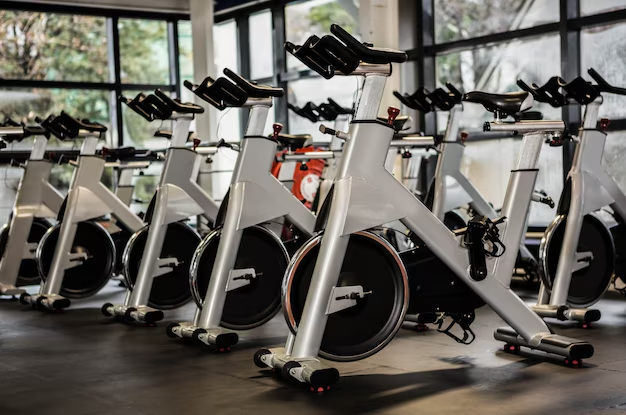
3. Spin Bikes

Spin bikes are specifically designed for intense indoor cycling workouts. These bikes typically come with a heavier flywheel and adjustable resistance to simulate hill climbing and high-intensity intervals. Spin bikes are perfect for individuals who want to push themselves during cycling sessions and enjoy high-energy classes or solo training.

Pros:

  • Intense workout with adjustable resistance.
  • Mimics the feel of outdoor cycling more closely.
  • Great for interval training and spin classes.

Cons:

  • Less comfortable than recumbent or upright bikes.
  • More expensive than standard stationary bikes.

4. Dual-Action Bikes

Dual-action bikes incorporate both moving handlebars and pedals, providing a full-body workout. The handlebars move forward and backward as you pedal, engaging your upper body muscles, including your arms, shoulders, and chest. This type of bike is perfect for people looking for a full-body workout and is often used in high-intensity interval training (HIIT).

Pros:

  • Full-body workout with emphasis on both upper and lower body.
  • Burns more calories than standard stationary bikes.
  • Great for cross-training and interval workouts.

Cons:

  • Can be challenging for beginners.
  • May not be as comfortable for long sessions.

Key Features to Consider

Once you have an understanding of the different types of stationary bikes, the next step is to consider the features that will best suit your workout style and goals.

1. Resistance Types

The resistance mechanism controls the intensity of your workout by making it harder to pedal. There are three main types of resistance used in stationary bikes:

  • Magnetic Resistance: This is the most common and smoothest form of resistance. It uses magnets to create friction, making the bike silent and low-maintenance.
  • Friction Resistance: In this system, a pad rubs against the flywheel to create resistance. It’s typically found in more affordable bikes but may create noise and require more maintenance.
  • Air Resistance: Found in many spin bikes, air resistance increases as you pedal faster, making it a great choice for high-intensity workouts.

2. Adjustability

Adjustability is an essential feature to look for in a stationary bike, especially if multiple people will be using it. The ability to adjust the seat height, seat position, and handlebar height will ensure that you can ride comfortably and maintain proper form during workouts.

  • Seat Adjustment: Make sure the seat can be adjusted vertically and horizontally to fit your body size.
  • Handlebar Adjustment: Having adjustable handlebars allows you to find the most comfortable riding position, whether you prefer an upright or more relaxed posture.

3. Comfort and Seat Design

A comfortable seat is crucial, especially if you plan on using the bike for longer sessions. Many stationary bikes come with padded or ergonomic seats, but some may still feel uncomfortable after prolonged use. Look for models that offer adjustable and cushioned seats, or consider investing in a padded seat cover for extra comfort.

4. Display Console and Technology Features

Modern stationary bikes often come with integrated displays that track your workout data, including time, distance, calories burned, speed, and heart rate. Some bikes even include built-in programs that can guide you through workouts based on your fitness level. For advanced users, bikes with Bluetooth compatibility or apps that sync with your fitness tracker can provide even more insights into your progress.

  • Heart Rate Monitoring: Look for bikes that come with built-in heart rate monitors (either through the handlebars or via a chest strap).
  • Pre-programmed Workouts: Some bikes come with pre-programmed workouts designed to challenge different fitness levels, helping you reach your goals faster.
  • Interactive Features: Some bikes have smart technology that connects to apps or streaming services, providing you with virtual cycling classes or interactive ride experiences.

5. Weight Capacity and Durability

Every stationary bike has a maximum weight capacity, which is important to consider when selecting a bike. Be sure to check the manufacturer’s guidelines to ensure that the bike can accommodate your weight, as well as the weight of any other potential users. Additionally, look for a bike that is made from durable materials like steel or aluminum for added stability and longevity.

6. Size and Storage

Stationary bikes come in a variety of sizes, so it’s important to choose one that fits comfortably in your space. Measure the area where you plan to place the bike, taking into account both the bike’s footprint and the space required for safe movement. Some bikes are foldable, making them easier to store in small spaces, while others may be larger and require more room.

7. Price and Warranty

Price is always a consideration when making any significant purchase, and stationary bikes are no exception. You can find models ranging from budget-friendly options to high-end bikes with advanced features. While it’s tempting to go for the cheapest option, remember that the quality of the bike, its durability, and the features it offers should be weighed against the price. Additionally, check the warranty to ensure that your investment is protected in case of any defects or issues.

Additional Tips for Choosing the Perfect Stationary Bike

  • Test Before You Buy: If possible, try out the bike before purchasing to ensure it feels comfortable and fits your needs.
  • Maintenance: Some bikes require more maintenance than others, so choose one that suits your willingness to maintain it.
  • Customer Reviews: Read customer reviews to get feedback from other users about the bike’s performance, comfort, and durability.
  • Noise Levels: Consider how noisy the bike is, especially if you plan on using it while watching TV or listening to music. Magnetic resistance bikes tend to be the quietest.

Conclusion

Choosing the perfect stationary bike ultimately depends on your personal preferences, fitness goals, and budget. Whether you’re looking for a high-intensity spin bike for intense workouts or a comfortable recumbent bike for leisurely rides, the market has options to suit every need. By considering the type of bike, key features like resistance, adjustability, and comfort, as well as your space and budget, you can find the perfect stationary bike to help you stay fit and healthy for years to come. Happy cycling!
The Ultimate Guide to Exercise Balls (Stability Balls)

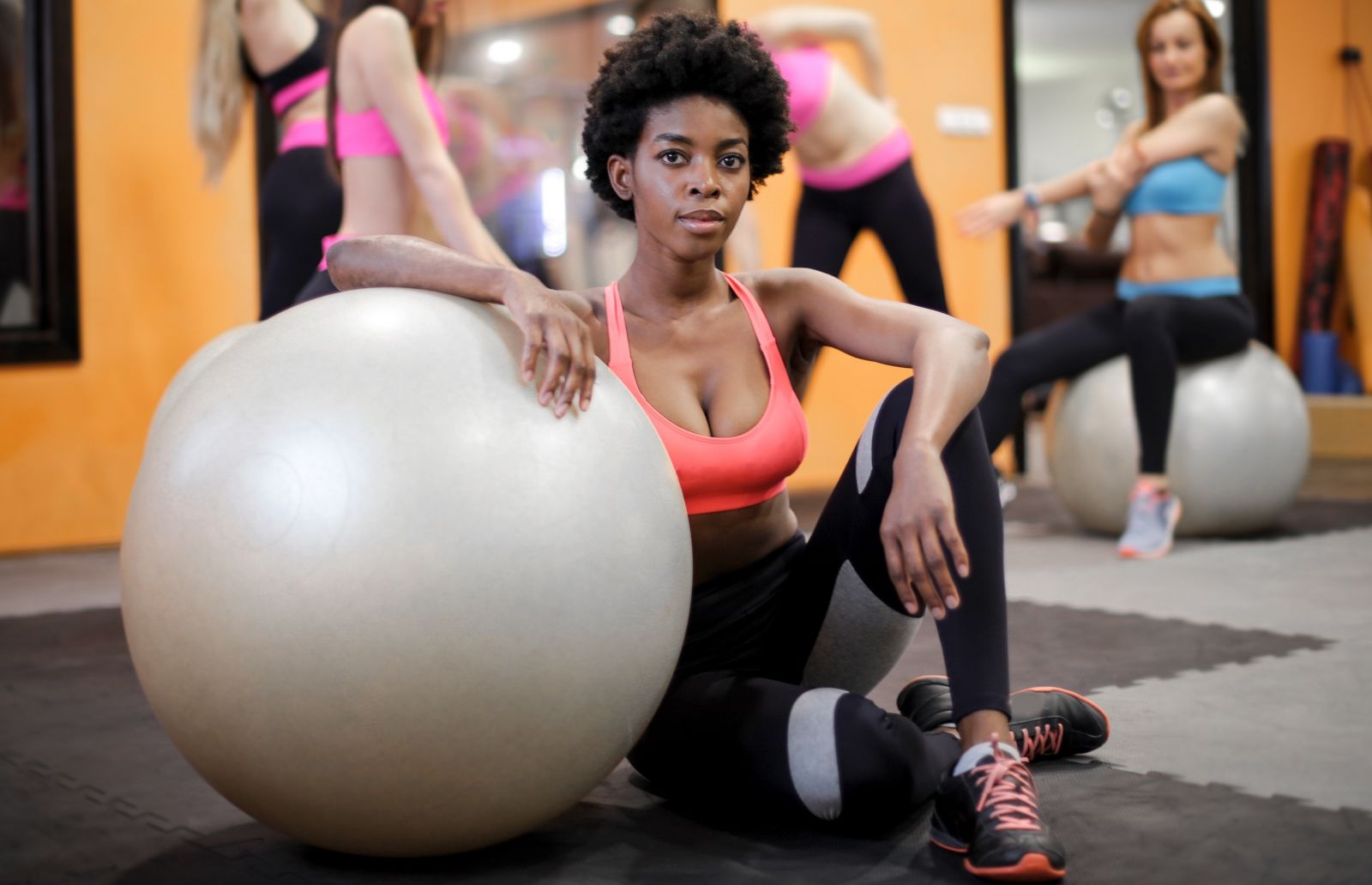
loola-games.info – Exercise balls, also known as stability balls, Swiss balls, or balance balls, have gained popularity in recent years as versatile tools for enhancing fitness routines. These inflatable balls, typically made from durable plastic, are designed to improve balance, flexibility, and strength. They are used in a variety of fitness disciplines, from yoga and Pilates to strength training and rehabilitation exercises.

In this comprehensive guide, we will delve into the many benefits of using exercise balls, the different types available, and how to incorporate them into your workouts to maximize results. Whether you’re a beginner or an experienced fitness enthusiast, understanding the various aspects of exercise balls can help you make the most of this essential piece of equipment.

What Are Exercise Balls (Stability Balls)?

An exercise ball is a large, inflatable ball typically used for strength, flexibility, balance, and rehabilitation exercises. Originally developed in the 1960s in Italy for use in physical therapy, the exercise ball has since become a popular tool for general fitness, core training, and posture improvement.

These balls come in different sizes, generally ranging from 45 cm to 75 cm in diameter, and are made from a thick, burst-resistant material. They are filled with air and can be inflated or deflated to adjust the level of firmness. The primary characteristic of exercise balls is their instability, which forces your muscles to engage more intensively during use to maintain balance.

Benefits of Exercise Balls

Exercise balls offer a wide range of benefits for people of all fitness levels. Let’s explore some of the most significant advantages:

1. Improved Core Strength

One of the most well-known benefits of using an exercise ball is its ability to engage and strengthen your core muscles. The ball forces you to stabilize your body as you perform exercises, which activates muscles in the abdominal, lower back, and pelvic regions. This constant engagement of your core leads to better posture, balance, and overall core strength.

2. Enhanced Balance and Coordination

Since the exercise ball is unstable, your body must work harder to maintain balance while performing exercises. This improves your proprioception (the ability to sense the position of your body in space) and enhances coordination. Stability exercises on the ball are particularly effective for developing balance and stability, which are essential for functional movement and injury prevention.

3. Increased Flexibility

Incorporating an exercise ball into your stretching routine can help improve flexibility. The ball can be used to gently stretch muscles in the back, hips, hamstrings, and chest by providing support while you stretch into deeper ranges of motion. The added instability also helps to engage muscle groups you might not otherwise activate in traditional stretches.

4. Strengthening and Toning Muscles

Exercise balls are versatile tools that can be used for a wide variety of exercises. They can add resistance to strength training exercises such as squats, push-ups, and planks, which helps to build muscle strength and tone. By incorporating the exercise ball into strength training routines, you add an element of instability that forces your muscles to work harder, resulting in increased muscle activation and improved strength.

5. Back Pain Relief and Posture Improvement

Exercise balls are often used in rehabilitation settings to alleviate back pain and improve posture. Sitting on the ball while working at a desk or performing gentle exercises can help relieve pressure on the spine, promote better posture, and encourage proper alignment. The ball encourages a more natural spinal curvature and prevents slouching, which can reduce discomfort and strain on the back.

6. Increased Endurance

Because exercise balls help build core strength and stability, they also improve endurance. The core muscles are essential for nearly every movement we make, from walking to lifting. By strengthening these muscles through stability ball exercises, you will increase your ability to sustain physical activity for longer periods, leading to better overall endurance.

7. Versatility and Convenience

Exercise balls are incredibly versatile. They can be used for stretching, strength training, rehabilitation, yoga, Pilates, and even cardio. Whether you’re performing squats, lunges, or a basic stretch, the exercise ball can support a wide range of movements, making it an invaluable tool for various types of exercise. Furthermore, they are lightweight and portable, so you can use them at home, in the gym, or even take them on the go.

8. Safe for Rehabilitation

Exercise balls are often used in physical therapy and rehabilitation because they provide a low-impact method of strengthening muscles and improving mobility. They offer support during exercises while minimizing strain on the joints and muscles, making them an excellent choice for those recovering from an injury or surgery.

Types of Exercise Balls

While the term “exercise ball” is often used interchangeably with “stability ball,” several types of exercise balls are available for different applications. Each type of ball has its unique features and uses.

1. Standard Stability Balls

These are the most common type of exercise ball and are widely used for core workouts, balance training, and Pilates. They are typically made of burst-resistant PVC material and come in various sizes, usually ranging from 45 cm to 75 cm in diameter. A stability ball is a versatile tool suitable for multiple types of exercises and is often used in both home and commercial gym settings.

2. Bosu Balls

A Bosu ball is a half stability ball attached to a flat base, creating a more stable surface on one side and an unstable surface on the other. The Bosu ball is primarily used for balance training, core exercises, and low-impact cardio. It is ideal for exercises that require more stability or those who want to add variety to their workout routine.

3. Yoga Balls

Yoga balls are similar to stability balls, but they tend to be slightly smaller and less firm. They are designed specifically for use in yoga and Pilates exercises. Yoga balls provide support and stability during stretches and poses, helping practitioners deepen their stretches and improve flexibility.

4. Rehabilitation Balls

Rehabilitation balls, also known as therapy balls, are used in physical therapy and recovery settings. These balls are designed with the needs of people with injuries in mind, offering support during movements and exercises while minimizing stress on the body. They help promote gentle movement and help patients regain strength, flexibility, and mobility after an injury or surgery.

How to Choose the Right Exercise Ball

When selecting an exercise ball, there are a few key factors to consider to ensure it meets your needs:

1. Size

The size of the ball is one of the most important factors to consider. The ideal size of an exercise ball depends on your height and the exercises you plan to do. Typically, the following sizes are recommended based on height:

  • 45 cm (17 inches): For people 4’8” to 5’1”
  • 55 cm (21 inches): For people 5’2” to 5’8”
  • 65 cm (25 inches): For people 5’9” to 6’2”
  • 75 cm (29 inches): For people over 6’2”

Choosing the correct size is important because it ensures proper posture and balance during exercises. A ball that is too large or too small can make it harder to perform exercises effectively and safely.

2. Material

Exercise balls are typically made from PVC (polyvinyl chloride), a durable and flexible plastic material. Some balls are designed to be “burst-resistant,” which means they are less likely to pop if punctured, providing extra safety. When selecting a ball, look for one made from high-quality, non-toxic materials that are designed to withstand wear and tear.

3. Firmness

Exercise balls come in different levels of firmness, and the right firmness will depend on your personal preference and the types of exercises you plan to perform. A firmer ball offers more stability and can be beneficial for balance exercises, while a softer ball provides more cushioning and can be better suited for stretches and rehabilitation exercises. Most exercise balls allow you to adjust their firmness by adding or releasing air.

4. Portability and Storage

If you plan to use your exercise ball in different locations or store it when not in use, portability and storage are key factors to consider. Most exercise balls are lightweight and easy to deflate, which makes them simple to store in small spaces. However, if you plan to use the ball in a gym or studio, look for one that is durable and built to withstand heavy use.

Best Exercises to Do with Exercise Balls

Exercise balls are incredibly versatile and can be used for a wide range of exercises. Here are some of the best exercises to incorporate into your routine:

1. Ball Squats

Stand with your back against the exercise ball, with your feet about hip-width apart. Slowly lower your body into a squat position, allowing the ball to roll down the wall and provide support for your back. This exercise targets the quads, hamstrings, and glutes while engaging the core.

2. Plank

Place your forearms on the exercise ball, keeping your body in a straight line from your head to your toes. Engage your core and hold the plank position for as long as possible. This exercise is great for strengthening the core, shoulders, and upper body.

3. Wall Sits

Place the exercise ball between your back and a wall. Squat down into a seated position with your thighs parallel to the ground, and hold the position for as long as you can. This exercise helps build strength in the quads and glutes.

4. Leg Raises

Lie on your back with your legs extended and place the exercise ball between your feet. Slowly raise your legs off the ground, keeping your knees straight. This targets the lower abs and hip flexors.

5. Russian Twists

Sit on the floor with your legs bent and feet flat on the ground. Hold the exercise ball with both hands, lean back slightly, and rotate your torso from side to side, tapping the ball on the floor each time. This exercise targets the obliques and helps improve core strength and stability.

6. Back Extension

Lie face down on the exercise ball, keeping your feet grounded and your hands behind your head. Lift your upper body off the ball while engaging your back muscles, then lower back down. This exercise targets the lower back and helps improve posture.

Conclusion

Exercise balls are incredibly versatile, effective, and affordable pieces of equipment that can enhance your workout routine, improve core strength, increase flexibility, and promote better posture. With their wide range of applications—from strength training and rehabilitation to flexibility exercises and balance training—exercise balls provide a full-body workout that targets multiple muscle groups.

Whether you’re a beginner or a seasoned athlete, the exercise ball can be a valuable addition to your fitness toolkit. By incorporating it into your workouts, you can enjoy the many benefits it offers, including improved muscle tone, balance, flexibility, and overall fitness.

Massage Balls: Self-Myofascial Release and Muscle Relief

loola-games.info – Massage balls are small, portable tools designed to target specific areas of the body for self-myofascial release, a technique commonly used to relieve muscle tightness, improve flexibility, and reduce pain. Whether you’re an athlete recovering from intense training, someone with chronic muscle tension, or just looking for an easy way to enhance your self-care routine, massage balls can offer significant benefits.

In this comprehensive guide, we will delve into the types of massage balls, their benefits, how to use them effectively, and how they can be incorporated into your fitness or wellness routine to improve your overall mobility and muscle health.

What Are Massage Balls?

Massage balls are small, typically round tools made of a firm yet pliable material like rubber, foam, or silicone. They come in various sizes, textures, and densities, each designed to target specific muscle groups for deep tissue massage and myofascial release. The purpose of the massage ball is to apply pressure to tight or sore areas of the body, helping to break up muscle knots, improve blood flow, and release tension in the fascia—the connective tissue that surrounds muscles.

Unlike foam rollers, which are larger and generally used for rolling across large areas of the body, massage balls are more precise and can be used to target smaller muscle groups or trigger points. They are often used on the neck, shoulders, back, calves, feet, and glutes, among other areas.

Benefits of Using Massage Balls

Massage balls provide several key benefits for anyone looking to alleviate muscle discomfort, improve flexibility, or boost recovery time. Let’s explore the advantages of using massage balls for muscle health and wellness:

1. Relieves Muscle Tension and Tightness

One of the primary benefits of using a massage ball is its ability to relieve muscle tension and tightness. Whether due to poor posture, stress, or physical activity, tight muscles can lead to discomfort and reduced range of motion. By applying targeted pressure to specific areas of the body, a massage ball helps release knots (also known as trigger points) and restore muscle elasticity.

2. Improves Blood Circulation

The pressure applied by the massage ball stimulates blood flow to the muscles and surrounding tissues. This increased circulation helps oxygen and nutrients reach the muscles, promoting healing and reducing muscle stiffness. Better circulation can also help decrease soreness and accelerate muscle recovery after exercise.

3. Reduces Pain and Discomfort

Massage balls are effective at alleviating pain and discomfort caused by muscle tightness, overuse, or injury. The deep pressure applied during self-massage can help deactivate trigger points and ease the pain associated with conditions such as sciatica, plantar fasciitis, and tension headaches. Consistent use of a massage ball can also promote better posture, which in turn may reduce pain in the back, neck, and shoulders.

4. Enhances Flexibility and Range of Motion

Regular use of a massage ball can significantly improve your flexibility and range of motion. The pressure from the ball helps release fascia and muscle tissue, making it easier for muscles to lengthen and move freely. This is particularly beneficial for individuals with tight hips, hamstrings, or shoulders, or anyone looking to improve their flexibility for sports or physical activity.

5. Aids in Post-Workout Recovery

Massage balls are commonly used for post-workout recovery to alleviate soreness and speed up the healing process. After a workout, muscle fibers undergo micro-tears that need time to repair. Using a massage ball to work through tight spots helps promote faster recovery by improving circulation and reducing muscle stiffness. This is especially important for athletes, fitness enthusiasts, and those engaging in regular exercise routines.

6. Increases Relaxation and Reduces Stress

Self-massage with a massage ball can help calm the nervous system and promote relaxation. When used on areas such as the neck, shoulders, and feet, the pressure helps reduce muscle tension, which can alleviate stress and anxiety. Regular use of the massage ball can create a sense of well-being and relaxation, making it a valuable tool for both physical and mental health.

7. Portable and Convenient

One of the biggest advantages of using a massage ball is its portability. These compact tools are small enough to carry with you wherever you go, making them ideal for quick relief throughout the day. Whether you’re at work, traveling, or at the gym, you can use a massage ball to address tension and muscle soreness whenever necessary. Unlike traditional massage therapy, which requires appointments and travel, massage balls allow you to target areas of discomfort on your own schedule.

Types of Massage Balls

Massage balls come in various shapes, sizes, and textures to cater to different needs and preferences. Choosing the right type of massage ball depends on the intensity of the pressure you want, the area of your body you’re targeting, and your personal preferences. Here are some common types of massage balls:

1. Standard Massage Balls

These are the most common type of massage balls. They are usually made of rubber or foam and come in sizes ranging from 2 to 3 inches in diameter. Standard massage balls are versatile and can be used for a variety of body parts, including the back, shoulders, hips, and legs. They are firm enough to provide deep tissue relief but not so hard that they cause discomfort.

  • Best for: General use, all body areas.
  • Material: Rubber, foam, or silicone.
  • Size: 2 to 3 inches.

2. Peanut Massage Balls

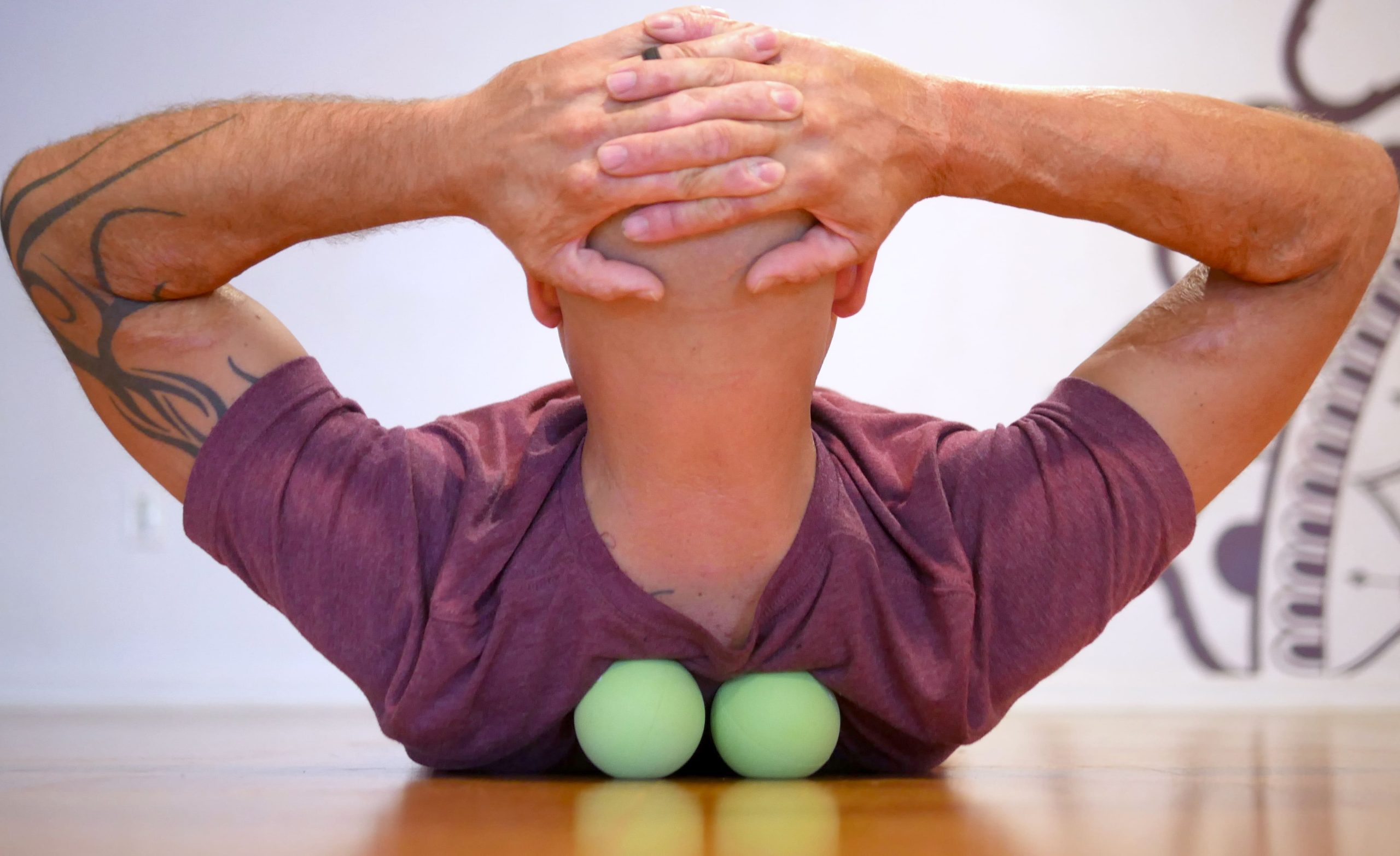
Peanut-shaped massage balls are often used for spinal and back relief. The shape allows you to target both sides of your spine simultaneously while avoiding direct pressure on the vertebrae. These balls are typically firm and can be used to relieve tension in the lower back, upper back, and shoulders. They are also effective for releasing muscle tightness in the calves, hamstrings, and glutes.

  • Best for: Spinal alignment, lower back, and glutes.
  • Material: Rubber or silicone.
  • Size: Two small balls connected by a center.

3. Spiky Massage Balls

Spiky massage balls feature raised bumps or spikes on the surface, which provide a more intense form of massage. These balls are particularly effective at stimulating circulation and providing deep tissue relief. The spiky surface can help target and release muscle knots with more precision. They are often used for foot massage (plantar fasciitis) and for deep tissue massage on large muscle groups like the thighs, back, and shoulders.

  • Best for: Deep tissue massage, reflexology, foot massage.
  • Material: Rubber or PVC.
  • Size: 2 to 3 inches.

4. Double-Layered Massage Balls

Double-layered massage balls are constructed with two materials of different firmness or texture, which create a unique massaging experience. The combination of soft and firm layers provides deeper pressure, making these balls ideal for individuals with more advanced myofascial release needs. They are often used by athletes or individuals with chronic muscle tension.

  • Best for: Advanced muscle tension, deep tissue relief.
  • Material: Dual materials, often with a soft exterior and firm inner core.
  • Size: 3 to 5 inches.

5. Foam Massage Balls

Foam massage balls are larger and softer than traditional rubber or spiky balls, making them more comfortable for beginners or those with sensitive muscles. These balls provide a gentler massage, ideal for relieving tension in the larger muscle groups like the thighs and calves. Foam massage balls can also be used on the back and shoulders for more gentle pressure.

  • Best for: Beginners, sensitive muscles, larger muscle groups.
  • Material: Foam.
  • Size: 4 to 5 inches.

6. Mini Massage Balls

Mini massage balls are small in size, typically around 1 to 2 inches in diameter, and are perfect for precision work on smaller areas like the feet, hands, and forearms. Their compact size makes them easy to carry and use for targeted relief during the day.

  • Best for: Precision massage, smaller body areas like feet and hands.
  • Material: Rubber, foam.
  • Size: 1 to 2 inches.

How to Use Massage Balls Effectively

Using a massage ball is simple, but effective use requires some knowledge of technique and form. Below are step-by-step instructions for using a massage ball effectively:

1. Identify Target Areas

Before using a massage ball, identify the areas where you feel tightness, discomfort, or muscle soreness. Common areas to target include the back, neck, shoulders, hamstrings, calves, and feet.

2. Position the Ball

Place the massage ball under the targeted muscle group, positioning it where you feel the most tension or discomfort. For example, to relieve tightness in the shoulders, place the ball between your shoulder blade and spine.

3. Apply Pressure

Slowly apply gentle pressure onto the ball by using your body weight. Adjust your position to find the right level of pressure that is both effective and comfortable. You can move your body to roll the ball over the muscle to target different areas.

4. Roll and Massage

Slowly roll the massage ball back and forth along the muscle, pausing for a few seconds when you encounter particularly tight spots or knots. If you find a tender area, apply sustained pressure for 20-30 seconds to help release the muscle tension.

5. Breathe and Relax

While using the massage ball, focus on your breathing to help relax the body and allow the muscles to release more easily. Take deep, steady breaths as you continue to apply pressure and massage the muscle.

6. Repeat and Switch Sides

Move the ball to different areas and repeat the process on each muscle group. If you’re using the ball on one side of the body, be sure to repeat the massage on the opposite side to maintain balance.

Conclusion

Massage balls are an effective and versatile tool for anyone looking to relieve muscle tension, improve flexibility, and promote recovery. Their ability to target specific areas and provide deep tissue relief makes them an essential addition to any fitness or wellness routine. Whether you’re dealing with tight muscles from exercise, stress, or poor posture, massage balls can provide a quick and convenient way to ease discomfort and promote overall muscle health. By using massage balls regularly, you can enhance your flexibility, prevent injuries, and improve your overall well-being.

The Grand Duchy of Luxembourg: A Guide to Its Monarchs

loola-games.info – The Grand Duchy of Luxembourg, a small yet influential country in Western Europe, has a rich history dating back over a thousand years. From its origins as a feudal territory to its current status as a constitutional monarchy, Luxembourg has been ruled by numerous dynasties and monarchs. This article provides a comprehensive overview of the monarchs who have shaped the history of Luxembourg, from its founding to the present day.

The Founding and Early Counts

Sigefroid: The Founder

Sigefroid is considered the founder of Luxembourg. His name first appears in historical records in 963 when he exchanged some lands he owned with the Saint-Maximin Abbey of Trier for a small, rugged terrain known as “Lucilinburhuc,” which translates to “small fortified castle”.

The House of Luxembourg

From Sigefroid onwards, eight counts succeeded within the same family lineage until the death of Conrad II in 1136, marking the end of the first House of the Counts of Luxembourg.

The Luxembourg-Limburg House

Henry V: The Beginning of a New Era

In 1247, the title of count passed to Ermesinde’s son, Henry V, known as Henry the Blondel, marking the beginning of the Luxembourg-Limburg House. This period saw the counts of Luxembourg ascend to the highest echelons of power, with Henry VII being elected as the Holy Roman Emperor in 1308.

The Duchy of Luxembourg

Charles IV: The Elevation to a Duchy

During the reign of Charles IV, the County of Luxembourg was elevated to a duchy in 1354 and transferred to his half-brother Wenceslaus7. The duchy was subsequently ruled by several dukes, including Wenceslaus II and Sigismund.

The Grand Duchy of Luxembourg

The Congress of Vienna

Luxembourg gained its status as a Grand Duchy through the decisions made at the Congress of Vienna in 1815. Following Napoleon’s defeat, the major European powers decided to create a sovereign Grand Duchy, with the title held by the King of the Netherlands.

The House of Nassau

The current Grand Duke of Luxembourg is from the House of Nassau. The Crown of the Grand Duchy is hereditary within this family, ensuring the continuity of the monarchy.

Modern Monarchs

Grand Duke Henri

The current Grand Duke of Luxembourg is Henri, who ascended to the throne on October 7, 2000. He is the great-great-great-great-grandson of Adolphe, the first Grand Duke of Luxembourg under the House of Nassau.

Conclusion

The Grand Duchy of Luxembourg has a fascinating history marked by the reign of numerous dynasties and monarchs. From its founding by Sigefroid to the current reign of Grand Duke Henri, Luxembourg has evolved from a feudal territory to a modern constitutional monarchy. The monarchy continues to play a significant role in the country’s political and cultural landscape, embodying the independence and continuity of this unique European state.