Sing 2 (2021): Star-Studded Musical – Dreams, Determination

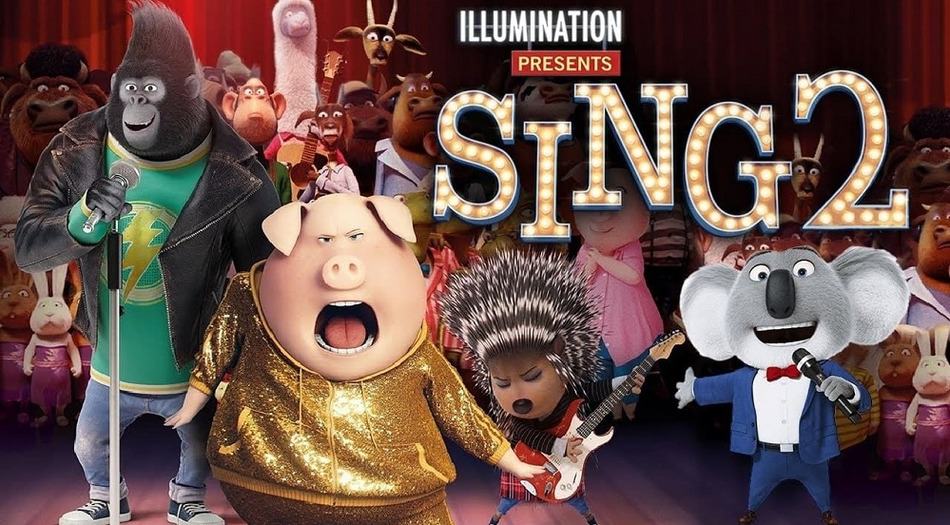
loola-games.info – Sing 2, released in 2021, is the highly anticipated sequel to Illumination Entertainment’s animated musical hit Sing (2016). Directed by Garth Jennings, Sing 2 builds on the success of the original by delivering an even more ambitious story that mixes dazzling musical performances with heartfelt character development. With an impressive voice cast, a selection of iconic songs, and a message about chasing dreams, this sequel continues to capture the imagination of audiences young and old.

This film brings back beloved characters like Buster Moon, Rosita, Ash, Johnny, and Meena, while introducing new ones that raise the stakes and add depth to the plot. The storyline revolves around Buster Moon’s dream of taking his small-town group of performers to the biggest stage in the entertainment capital. As the animals work toward their goals, they face various challenges, including self-doubt, fear, and the pressure of performing on a grand scale. Sing 2 is not just about reaching for success; it is a story about growth, courage, and the power of music.

Plot Overview: Buster Moon’s Next Big Dream

After the events of the first film, Buster Moon (voiced by Matthew McConaughey), a relentlessly optimistic koala, has successfully revived his struggling theater in the small town of Calatonia. But Buster is not satisfied with small-scale success—he dreams of taking his talented group of performers to Redshore City, the entertainment capital of the world, to put on a spectacular show at the prestigious Crystal Tower Theater.

Reaching for the Stars: The Dream of Redshore City

In Sing 2, Buster is determined to take the next big step in his career and prove that his group has what it takes to make it on the grandest stage. Buster and his team—Rosita the pig (Reese Witherspoon), Ash the porcupine (Scarlett Johansson), Johnny the gorilla (Taron Egerton), Meena the elephant (Tori Kelly), and Gunter the pig (Nick Kroll)—set their sights on Redshore City to audition for the powerful and ruthless entertainment mogul Jimmy Crystal (voiced by Bobby Cannavale).

The journey to Redshore City, a bustling metropolis reminiscent of Las Vegas, is both thrilling and intimidating. Upon arriving, Buster and his team must navigate the cutthroat world of showbiz and convince Jimmy Crystal that they are worthy of headlining his theater.

The Promise of Clay Calloway

To get a shot at performing, Gunter makes an audacious promise during the audition—he claims that their show will feature the legendary, reclusive rock star Clay Calloway (voiced by U2’s Bono). Clay Calloway, a lion who has withdrawn from public life after the death of his wife, has not performed in 15 years, and the prospect of getting him to join the show seems nearly impossible.

However, with no other choice and Jimmy Crystal breathing down his neck, Buster takes on the daunting task of convincing Calloway to come out of retirement. This sets up one of the central emotional arcs of the film, as Buster and Ash, who admires Calloway as an inspiration, set out to find the rock legend and bring him back to the stage.

Character Arcs and Growth: Overcoming Fears and Self-Doubt

While Sing 2 is packed with fun and excitement, the heart of the story lies in the personal journeys of each character. The film delves deeper into the emotional struggles and aspirations of Buster’s performers, showing how they face their fears and learn valuable lessons about themselves.

1. Buster Moon: The Eternal Optimist

Buster Moon remains as determined and positive as ever. He’s a dreamer who believes that nothing is impossible, even when the odds are stacked against him. Throughout the film, Buster’s optimism is put to the test, particularly as he faces the challenges of dealing with Jimmy Crystal’s demands and the immense pressure of putting on a show that will live up to his promises.

Buster’s character development centers around his unwavering belief in his team’s talent and his ability to inspire them to give their best. Despite setbacks, his resilience and passion for show business serve as a driving force for the rest of the group.

2. Rosita: Facing Stage Fright

Rosita, the lovable pig and devoted mother, has always been a star in the making, but in Sing 2, she faces a personal crisis—stage fright. When Buster casts her in the lead role of their new show, Rosita is thrilled, but her excitement quickly turns to fear when she discovers that the role requires her to perform a dangerous high-wire act. Rosita’s fear of heights threatens to derail her performance, forcing her to confront her insecurities and step out of her comfort zone.

Rosita’s arc is about overcoming fear and finding confidence in herself. With the support of her friends and the encouragement of Buster, Rosita learns to face her fears head-on, showing that she has the courage to shine on the biggest stage.

3. Johnny: Rising to the Challenge

Johnny, the talented gorilla with a love for music, faces his own challenges as he takes on a new role as a dancer in the show. Despite his enthusiasm, Johnny struggles to keep up with the demanding choreography of his instructor, Klaus Kickenklober (voiced by Adam Buxton), a condescending and harsh dance teacher who constantly belittles him.

Feeling inadequate, Johnny befriends Nooshy (voiced by Letitia Wright), a streetwise lynx who teaches him the art of freestyle dance. With Nooshy’s help, Johnny learns to embrace his own style and build his confidence, eventually winning over both the audience and himself. His arc is about perseverance, self-belief, and finding his own path to success.

4. Meena: Discovering Romance and Stage Presence

Meena, the shy elephant with a powerful voice, faces a different kind of challenge in Sing 2. Cast in a romantic duet for the new show, Meena struggles to act convincingly alongside her co-star Darius (voiced by Eric André), a self-absorbed actor who makes it difficult for her to connect with the role.

Complicating matters further, Meena has a crush on a local ice cream vendor, Alfonso (voiced by Pharrell Williams), but she’s too shy to express her feelings. Through her interactions with Alfonso, Meena learns to tap into her emotions and bring authenticity to her performance. Her storyline is a sweet exploration of finding confidence in both love and art.

5. Ash: Rediscovering Inspiration

Ash, the punk rock porcupine, plays a pivotal role in Sing 2 as both a performer and a mentor. While her musical journey takes a backseat to the other characters, Ash is instrumental in helping Buster convince Clay Calloway to return to the stage. As a huge fan of Calloway’s music, Ash is deeply inspired by him, and her persistence and heartfelt conversations with the reclusive star help him find the courage to face his grief and perform again.

Ash’s role in the film is about rediscovering the power of music and its ability to heal. Her respect and admiration for Calloway serve as a reminder of how art can bring people together, even in the darkest times.

Clay Calloway: A Legend in Hiding

One of the most emotional storylines in Sing 2 revolves around Clay Calloway, the lion who has retreated from the world after the death of his wife. Bono’s portrayal of Clay Calloway adds depth and authenticity to the character, as his journey from grief-stricken isolation to rediscovering his passion for music is a central theme of the film.

Clay’s reluctance to return to the stage mirrors the real-life experience of many artists who struggle with personal loss, and his interactions with Ash and Buster highlight the importance of healing and finding purpose again. Through music, Clay begins to reconnect with his emotions, and by the end of the film, he delivers a powerful, moving performance that brings the story full circle.

The World of Redshore City: A Musical Spectacle

1. The Glitz and Glamour of Showbiz

Sing 2 transports viewers to Redshore City, a vibrant metropolis that serves as a tribute to entertainment capitals like Las Vegas and Hollywood. The city is filled with towering skyscrapers, neon lights, and elaborate theaters, providing the perfect backdrop for the film’s grand musical performances.

The Crystal Tower Theater, owned by Jimmy Crystal, is the crown jewel of Redshore City, and Buster’s dream of performing there sets the stage for the film’s high-energy musical numbers. The setting itself is a character in the story, symbolizing the larger-than-life aspirations of Buster and his crew.

2. Musical Performances and Soundtrack

As expected from a Sing film, the musical performances are a highlight of Sing 2. The film features an eclectic soundtrack that includes classic rock, pop hits, and contemporary songs, with each character delivering performances that reflect their personalities and emotional arcs. From Ash’s punk rock anthems to Meena’s soulful ballads, the music enhances the storytelling and adds emotional weight to key moments.

The climactic performance at the Crystal Tower Theater is a spectacle of light, sound, and emotion, showcasing the talents of the entire cast. The film’s use of music not only entertains but also deepens the emotional impact of the story, as each song reflects the characters’ growth and challenges.

Themes and Messages: Chasing Dreams and Building Confidence

1. Believing in Yourself

At its core, Sing 2 is a film about self-belief and the importance of following your dreams, no matter how daunting they may seem. Each character faces their own struggles with self-doubt, but through perseverance, they learn to trust in their abilities and overcome their fears. Buster’s unshakeable belief in his team’s talent inspires them to push beyond their limits and reach new heights.

2. The Healing Power of Music

The film also explores the idea that music has the power to heal and bring people together. Clay Calloway’s journey from grief to rediscovering his love for music is a testament to the emotional depth that art can provide. Music serves as a way for characters to express their emotions, connect with others, and find solace in difficult times.

3. Friendship and Teamwork

The theme of friendship and teamwork is central to the story. Buster and his crew are more than just performers—they are a family that supports each other through thick and thin. Their collective efforts to put on the show highlight the importance of collaboration and the strength that comes from working together toward a common goal.

Conclusion: A Joyful and Uplifting Musical Adventure

Sing 2 is a delightful sequel that builds on the success of the original while introducing new challenges, characters, and emotional arcs. With its vibrant animation, star-studded voice cast, and unforgettable musical performances, the film offers a joyful and uplifting experience for audiences of all ages.

Whether you’re a fan of the first film or a newcomer to the series, Sing 2 delivers a message of hope, resilience, and the power of music to transform lives. It reminds us that no dream is too big and that with determination, friendship, and a little bit of courage, anything is possible.
The Croods (2013) – A Heartwarming Prehistoric Adventure

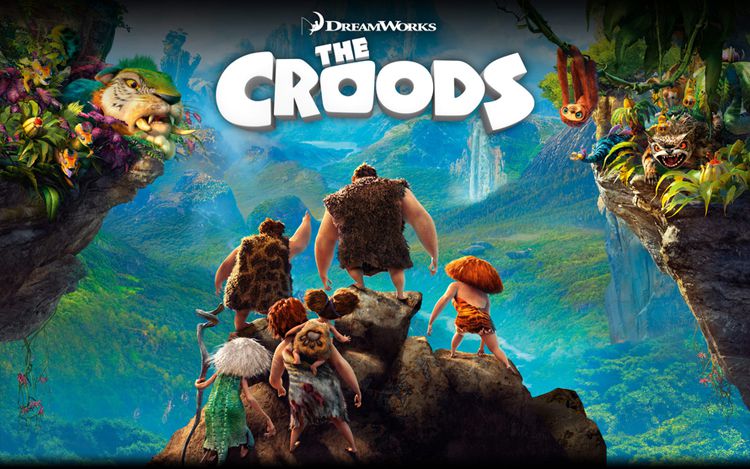
loola-games.info – The Croods (2013) is an animated adventure comedy film produced by DreamWorks Animation and directed by Kirk DeMicco and Chris Sanders. Set in prehistoric times, the movie introduces audiences to the Crood family, a group of Neanderthal cavemen who embark on a thrilling journey through a vibrant and dangerous world as they struggle to survive and adapt to their ever-changing environment. The film blends humor, heart, and stunning animation, creating an unforgettable cinematic experience for viewers of all ages.

In its core, The Croods is a story about family, growth, and adaptation, as the characters learn to embrace change and step outside their comfort zones. The film features a star-studded voice cast, including Nicolas Cage, Emma Stone, Ryan Reynolds, and Catherine Keener. Packed with colorful characters, prehistoric creatures, and heartwarming moments, The Croods is both entertaining and thought-provoking, offering valuable life lessons about flexibility, trust, and the importance of relationships.

Plot Summary: Surviving the End of the World

The movie is set during the dawn of human civilization, in a prehistoric world filled with wild landscapes and strange creatures. The Crood family, led by the overprotective and fear-driven father Grug (voiced by Nicolas Cage), lives a simple life in a cave. Grug is obsessed with maintaining a strict survival routine, believing that sticking to the familiar ways of life will keep his family safe from the dangers of the world. He is especially protective of his daughter, Eep (voiced by Emma Stone), who is a curious and adventurous teenager yearning to explore the world beyond the confines of their cave.

Despite Grug’s best efforts to keep his family safe, Eep secretly sneaks out one night and discovers a young man named Guy (voiced by Ryan Reynolds). Guy is a free-spirited, inventive, and resourceful survivor who has learned to think outside the box. He warns Eep and the Croods about an impending natural disaster that will destroy their home—the earth is beginning to shift, and their world is rapidly changing. Guy’s knowledge of survival techniques, such as creating fire and using tools, marks him as different from the Croods, whose survival tactics are based on tradition and instinct rather than innovation.

When their cave is destroyed in a massive earthquake, the Croods are forced to embark on a journey to find a new home. Along the way, they encounter various obstacles, such as fierce predators, strange landscapes, and unusual creatures. As they travel together, the Croods are pushed out of their comfort zones, and they slowly begin to realize that change isn’t always as dangerous as it seems. Eep and Guy develop a budding romantic relationship, while Grug faces his own fears and learns to embrace new ideas and ways of thinking. Ultimately, the Croods must work together as a family to adapt to the changing world around them, discovering that survival requires both strength and flexibility.

The Role of Family: From Struggles to Growth

At the heart of The Croods is the theme of family. The Croods’ journey is not just about surviving the physical dangers of their world, but also about learning to communicate, support each other, and adapt to the ever-changing dynamics within their family. Grug’s obsession with safety and tradition is in direct conflict with Eep’s desire for exploration and freedom. Throughout the movie, their relationship evolves as they learn to understand each other’s perspectives and grow as individuals and as a family.

Grug’s protective nature, although well-intentioned, often leads to misunderstandings with Eep, who feels stifled by her father’s strict rules. Eep represents youthful curiosity, questioning authority and the world around her. In contrast, Grug’s fear of change represents the older generation’s tendency to resist new ideas, preferring the safety of the familiar. As their journey unfolds, Grug begins to recognize that change can be a positive force, and Eep learns that safety and caution are not always synonymous with happiness.

The movie also explores the relationship between Grug and his wife, Ugga (voiced by Catherine Keener), as well as the bond between Grug and his younger children, Thunk (voiced by Clark Duke) and Sandy (a baby voiced by the film’s animators). While the family’s dynamics are at times chaotic and comedic, the film ultimately shows that love and mutual support are key to overcoming challenges.

Eep and Guy: The Spark of New Ideas

The characters of Eep and Guy are central to the film’s exploration of change, growth, and the clash of traditions. Eep is a strong-willed, independent girl who is curious about the world beyond her family’s cave. She yearns for adventure, while her father discourages her from stepping outside their comfort zone. Guy, on the other hand, represents innovation and new ways of thinking. He is resourceful, creative, and open to new experiences, offering solutions to the many problems the Croods face on their journey.

The chemistry between Eep and Guy is one of the most charming aspects of the film. Their relationship begins with playful teasing, as Eep is initially skeptical of Guy’s “futuristic” ideas. However, as the story progresses, they begin to learn from each other, with Guy teaching Eep how to use tools and start a fire, while Eep shows Guy the value of family and emotional connection. Their relationship is a beautiful representation of how different people can inspire each other to grow, challenge their assumptions, and become better versions of themselves.

The evolving relationship between Eep and Guy also highlights the generational shift between Grug’s traditional way of thinking and Guy’s forward-thinking mindset. As Grug faces his fears and begins to trust in his family’s abilities, he comes to realize that his rigid mindset may be holding him back from growth. The contrast between Guy’s ingenuity and Grug’s fear of change ultimately leads to a deeper understanding of what it means to be a family in a constantly shifting world.

Animation and Visual Design: A Prehistoric World Brought to Life

The Croods features stunning animation that brings the prehistoric world to life with vibrant colors, intricate details, and imaginative designs. The film’s visual style blends a sense of realism with fantastical elements, creating a world that feels both familiar and otherworldly. The landscapes are vast and varied, from lush jungles and towering cliffs to dangerous volcanic terrain. The film also introduces a wide range of imaginative creatures, many of which are a mix of existing prehistoric animals and entirely fictional species.

The creatures in The Croods are a key part of the film’s humor and excitement, from the comical “smilodon” to the massive, menacing “creeping death” plant. These fantastical creatures are designed to evoke a sense of wonder and danger, adding to the film’s adventurous atmosphere. The filmmakers employed state-of-the-art animation techniques to bring these creatures to life, showcasing the creativity and artistry behind the film.

The animation of the characters is also noteworthy, with each member of the Crood family having their own unique personality that is reflected in their designs. Grug’s rugged, muscular build and Eep’s wild, untamed appearance contrast with the more innocent looks of Thunk and Sandy, highlighting the differences in their characters and roles within the family. The animation style is full of energy, with exaggerated facial expressions and dynamic action sequences that heighten the emotional stakes and humor of the story.

Themes of Change and Adaptation

A central theme in The Croods is the idea of adaptation. The Croods live in a world that is constantly changing, and their survival depends on their ability to adapt to new challenges. Grug’s resistance to change represents the fear many people feel when faced with the unknown. However, the film illustrates how embracing change can lead to growth, improvement, and even happiness.

Throughout the movie, the Croods are forced to let go of their old ways and adapt to new methods of survival. This idea is mirrored in Grug’s personal journey, as he learns to embrace flexibility and change, both in his environment and in his relationships with his family. The film encourages viewers to face challenges with an open mind and a willingness to learn, rather than clinging to outdated ideas out of fear.

Conclusion: A Heartwarming Story of Family and Adventure

The Croods is a heartwarming and visually stunning film that tells the story of a family navigating the prehistoric world while learning the importance of adaptation and growth. The characters are relatable, the animation is breathtaking, and the story is both funny and meaningful. At its core, the film is about overcoming fear, embracing change, and finding strength in family.

With its vibrant world, lovable characters, and important life lessons, The Croods is a timeless adventure that resonates with audiences of all ages. Whether it’s about letting go of old habits, trying new things, or discovering the importance of family support, The Croods reminds us that change, while often challenging, is a necessary part of life—and that we can face it together.

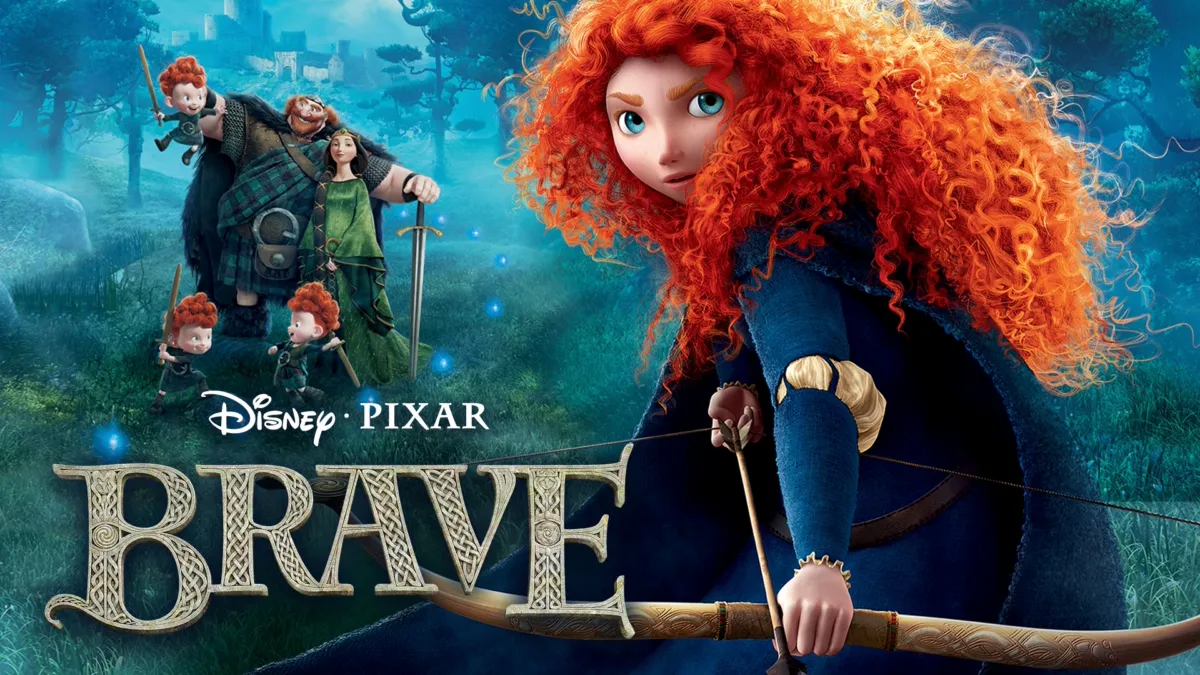
Brave (2012): A Emotional Journey into the Highlands of Scotland

loola-games.info – Brave, released in 2012, marked a significant milestone in the history of Pixar Animation Studios. Directed by Brenda Chapman and later co-directed by Mark Andrews, Brave became Pixar’s first feature film with a female protagonist, breaking new ground in both storytelling and animation. Set against the stunning and magical backdrop of ancient Scotland, Brave tells the tale of Merida, a fiery-haired princess determined to challenge tradition and carve out her own destiny.

At its heart, Brave is a coming-of-age story about the relationship between a mother and daughter, exploring themes of freedom, identity, family, and the consequences of defying tradition. The film’s rich narrative, emotional depth, and visually breathtaking animation created a timeless story that resonated with audiences around the world.

Plot Summary: A Princess’s Struggle for Independence

The Opening: A New Kind of Princess

From the very beginning of Brave, it’s clear that Princess Merida (voiced by Kelly Macdonald) is not a typical Disney princess. She is introduced as a strong-willed and adventurous young woman, far more interested in riding through the forests on horseback and honing her archery skills than in attending courtly duties or preparing for marriage. Unlike many of her Disney counterparts, Merida isn’t waiting to be rescued by a prince; instead, she is determined to forge her own path in life.

Merida’s mother, Queen Elinor (voiced by Emma Thompson), represents the traditional expectations placed upon her daughter. Elinor is a firm believer in royal protocol and responsibilities, and she expects Merida to conform to the norms of the kingdom, which include marrying one of the allied clan leaders to maintain peace. This conflict between mother and daughter sets the stage for the central tension in the story.

The Proposal of Marriage: A Defiant Act of Rebellion

The core of the film’s conflict arises when Queen Elinor arranges for a competition among the sons of the kingdom’s allied clans. The winner of the competition is to marry Merida, as part of a tradition that strengthens political alliances. However, Merida is adamantly opposed to the idea of an arranged marriage and rebels against her mother’s plans.

In a bold act of defiance, Merida enters the archery competition herself and wins, thus claiming her own hand in marriage. This public rejection of tradition deeply embarrasses the clans and strains Merida’s relationship with her mother even further. Feeling misunderstood and desperate to change her fate, Merida runs away into the forest, where she encounters a mysterious witch.

The Witch’s Spell: A Decision with Unexpected Consequences

Hoping to change her mother’s mind, Merida makes a fateful decision when she asks the witch to cast a spell that will “change” Queen Elinor. The witch gives Merida an enchanted cake, which, when eaten, transforms Elinor into a bear—a transformation that is symbolic of the growing disconnect between mother and daughter. However, Merida soon realizes the gravity of her mistake, as the spell not only changes her mother physically but also begins to erase her humanity.

Merida now must race against time to undo the spell before her mother’s transformation becomes permanent. The journey to reverse the curse serves as the film’s emotional heart, as Merida and Elinor—now in bear form—are forced to work together and understand each other in ways they hadn’t before. This shared experience allows them to bridge the gap between their conflicting views and rediscover their bond.

Themes and Symbolism: Family, Freedom, and Tradition

The Complexity of Mother-Daughter Relationships

At the core of Brave is the powerful and often tumultuous relationship between Merida and Queen Elinor. This dynamic explores the generational clash between tradition and self-determination. While Queen Elinor embodies the old ways—where a princess is expected to uphold duty, follow social conventions, and be a symbol of unity—Merida represents a new generation that values individuality and freedom.

The film presents a nuanced portrayal of mother-daughter relationships, emphasizing that while both characters have valid perspectives, their failure to communicate leads to their initial conflict. Queen Elinor sees her role as preparing her daughter for the responsibilities of ruling, while Merida feels trapped and unable to express her true desires. The film’s emotional arc is driven by the realization that both women need to listen to each other and find a balance between duty and independence.

The Search for Identity and Self-Determination

Merida’s desire to change her fate is symbolic of the universal struggle for self-identity. She wants to forge her own path in life, free from the expectations placed upon her by family and society. This theme resonates with audiences because it reflects the internal battle many people face when they seek to break free from societal pressures or traditional roles that don’t align with their personal desires.

Merida’s story is also one of self-reflection. While she initially sees her mother as the source of her problems, she gradually learns that her own actions and stubbornness contributed to their estrangement. The journey she embarks on is not just about reversing a spell, but about growing as a person and understanding the consequences of her actions.

Tradition vs. Change: Finding a Balance

Brave also explores the tension between tradition and change, both within the context of Merida’s personal struggle and in the broader political landscape of the kingdom. The arranged marriage is a symbol of the kingdom’s adherence to old customs, but Merida’s rebellion reflects a desire for progress and self-determination. Ultimately, the film suggests that while traditions are important, they should not stifle individuality or personal freedom.

By the end of the film, Merida and her mother come to a mutual understanding that traditions can evolve. The clans agree that future marriages will not be arranged by obligation but by choice, signaling a shift toward a more modern and equitable view of relationships. This compromise represents the film’s message that progress doesn’t require abandoning the past, but rather adapting it to fit new values.

Visual and Artistic Achievement: A Stunning Portrayal of Scotland

The Lush Landscapes of the Scottish Highlands

One of the most striking elements of Brave is its breathtaking visual design. The film’s setting in ancient Scotland allows for rich and immersive landscapes, from misty forests and towering mountains to windswept coastlines and ancient stone circles. The Pixar animation team paid meticulous attention to detail in creating the look and feel of the Scottish Highlands, drawing inspiration from real-world locations to enhance the film’s authenticity.

The use of natural light, vibrant colors, and dynamic weather effects all contribute to the film’s ethereal atmosphere. The lush greenery, flowing rivers, and dense forests serve as both a beautiful backdrop and an essential part of the story, as nature plays a key role in Merida’s journey. The enchanted forest where Merida meets the witch, in particular, exudes a sense of mystery and magic, capturing the film’s Celtic influences.

The Iconic Animation of Merida’s Hair

Merida’s character design, especially her fiery red hair, became one of the most iconic aspects of the film. Her voluminous, untamed curls are not only a visual marvel but also serve as a reflection of her free-spirited personality. Pixar’s animation team developed new technology specifically to animate Merida’s hair, creating over 1,500 individual strands that move realistically and react to the environment.

Her hair serves as a symbolic representation of her rebellious nature and desire for independence, contrasting sharply with the more polished and controlled appearance of her mother. This visual detail helps reinforce the film’s themes of freedom and self-expression.

The Celtic Influence: Music and Mythology

The film’s Celtic influence extends beyond its setting and character designs. The musical score, composed by Patrick Doyle, incorporates traditional Scottish instruments like bagpipes, fiddles, and harps, creating a soundscape that is both haunting and uplifting. The music enhances the film’s emotional depth, particularly during key moments between Merida and her mother.

Brave also draws on elements of Scottish mythology, such as the mysterious will-o’-the-wisps that guide Merida on her journey. These glowing, otherworldly lights are rooted in Celtic folklore and symbolize the mystical forces at play in the film. The presence of ancient stone circles and the emphasis on nature and magic further align the film with its mythological influences.

Reception and Legacy: A Bold Departure for Pixar

Critical Reception: Praise and Criticism

Upon its release, Brave received generally positive reviews, though it was somewhat polarizing in the context of Pixar’s legacy. Critics praised the film for its stunning animation, emotional depth, and its strong female protagonist. Many applauded Pixar for breaking away from the typical “princess” mold and creating a heroine who was defined by her strength, independence, and desire for personal freedom.

However, some critics noted that Brave felt less ambitious than previous Pixar films in terms of storytelling. While Pixar had become known for its innovative narratives (such as WALL-E, Up, and Toy Story), Brave followed a more traditional fairy-tale structure. Some felt that the film’s plot was somewhat predictable, and that it lacked the inventive twists that had defined Pixar’s earlier work.

A Cultural Milestone: Pixar’s First Female-Driven Story

Despite some mixed reviews, Brave was a significant cultural milestone for Pixar. As the studio’s first film with a female lead and its first to be directed by a woman (Brenda Chapman, who was later replaced as director during production), Brave represented a step toward greater diversity in animated storytelling.

Merida’s character resonated with audiences as a new kind of Disney princess—one who didn’t need a romantic storyline to define her. She became a symbol of independence and courage for young viewers, and her message of self-determination and individuality continues to inspire.

Box Office Success and Awards

Brave was a box office success, grossing over $540 million worldwide. It also won several awards, including the Academy Award for Best Animated Feature and the Golden Globe Award for Best Animated Feature Film. The film’s success cemented its place as a beloved entry in the Pixar canon, and Merida was later inducted as an official Disney Princess, further solidifying her status as a cultural icon.

Conclusion: A Brave New Direction for Pixar

Brave stands as a unique and important film in Pixar’s history, marking a departure from the studio’s typical narrative style while embracing universal themes of family, identity, and freedom. Its visually stunning portrayal of Scotland, its bold female protagonist, and its exploration of complex relationships between mothers and daughters make it a film that resonates with audiences of all ages.

Though it may not be considered as groundbreaking as some of Pixar’s other films, Brave continues to be celebrated for its emotional depth and its empowering message about carving out one’s own destiny. In the end, Brave is a story about the courage to be true to yourself, even when that means challenging the traditions of the past.

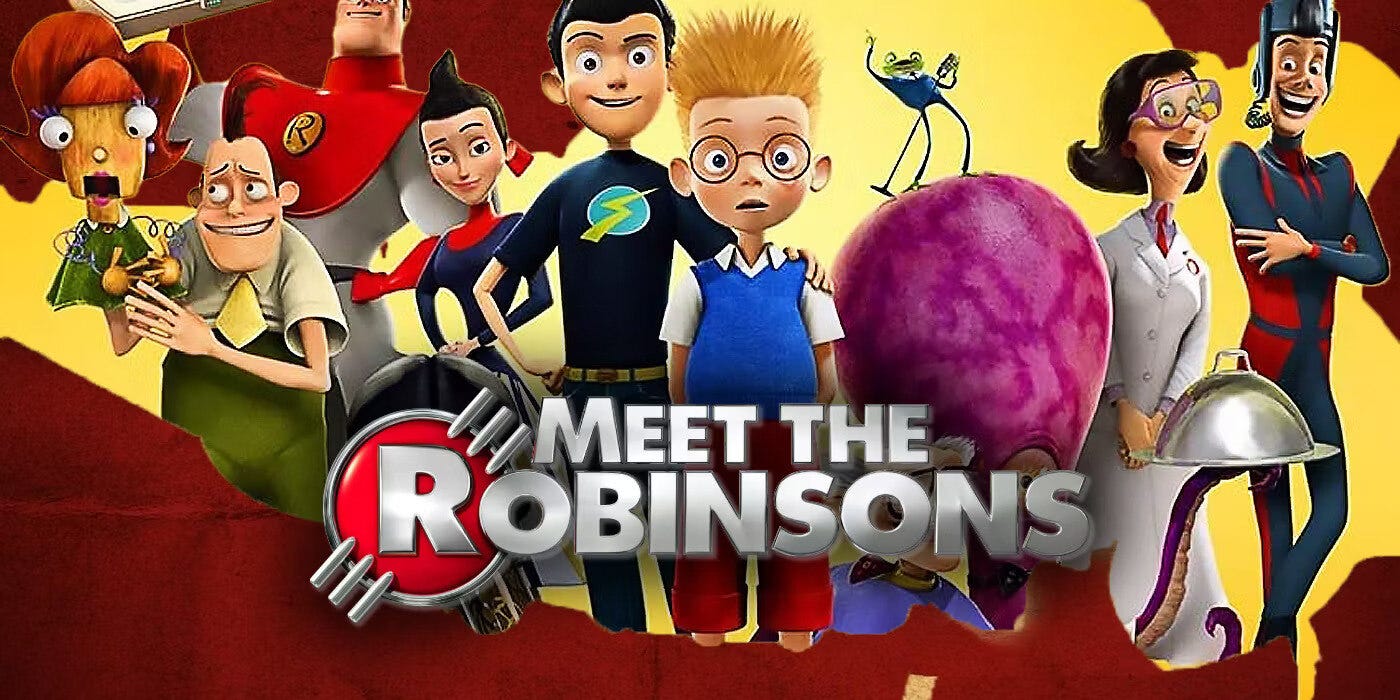
Meet the Robinsons (2007): A Futuristic Tale of Family

loola-games.info – Released in 2007 by Walt Disney Animation Studios, Meet the Robinsons is an animated science fiction comedy that combines heartwarming themes of family, perseverance, and the importance of never giving up on one’s dreams. Directed by Stephen Anderson, the film stands out for its vibrant animation, its exploration of futuristic technology, and its emotionally resonant story, which explores ideas of identity, family, and the power of imagination.

While Meet the Robinsons didn’t achieve the same level of mainstream success as other Disney films of its time, it has grown in appreciation over the years, particularly for its positive messages and imaginative, unique style. The film represents a departure from the more traditional storytelling Disney was known for, embracing a more modern, high-tech setting filled with quirky inventions and an optimistic outlook on the future.

In this article, we’ll dive into the creation, plot, characters, themes, and legacy of Meet the Robinsons, offering a detailed look at what made this animated feature an important and often overlooked gem in Disney’s catalog.

The Creation of Meet the Robinsons

The Concept and Inspiration

Meet the Robinsons was loosely based on the book A Day with Wilbur Robinson by William Joyce. Joyce, a prolific author and illustrator, is best known for his work in the realm of children’s books and his contributions to the field of animation. His whimsical story about a young boy who travels to the future to meet a quirky family was adapted into a film that explored similar themes of family and invention, although with more futuristic twists and a deeper focus on personal growth.

The decision to develop a CGI-animated film based on Joyce’s work came at a time when Disney was still evolving in its approach to animation. Meet the Robinsons was one of the early films to embrace the CGI animation technique in the 2000s, following the success of Chicken Little (2005). The film was produced under the creative leadership of Walt Disney Animation Studios, with Stephen Anderson (who had previously worked as a story artist on The Lion King and Tarzan) at the helm as director.

The film’s aesthetic and visual style were deliberately designed to stand out from previous Disney works. The world of Meet the Robinsons is a highly stylized version of a future world, with vibrant colors, exaggerated architectural designs, and futuristic technology that gave it a distinctive look. The animation team aimed to balance whimsical, cartoonish elements with futuristic and sci-fi-inspired designs, resulting in a unique visual style that complemented the film’s lighthearted yet meaningful narrative.

Technological Innovation

Meet the Robinsons is also notable for its groundbreaking animation techniques. The film was one of the first major animated films to feature an extensive use of advanced computer animation tools, particularly in the way the characters were designed and animated. The animators used sophisticated technology to create dynamic, fluid movements, particularly in the action scenes involving flying cars, futuristic cities, and other sci-fi elements.

Additionally, the film incorporated a wide range of colors, from the warm, cozy hues of the Robinson family’s home to the bright, vibrant palette of the futuristic cityscape. This use of color added to the movie’s playful, energetic tone, making it visually engaging for audiences of all ages.

The Plot of Meet the Robinsons

A Story of Family and Innovation

The story of Meet the Robinsons centers on a young boy named Lewis (voiced by Daniel Hansen), an aspiring inventor with a brilliant mind and an enthusiasm for creating new gadgets. Lewis lives in an orphanage, where he has spent much of his life, dreaming of a family that will accept and love him for who he is. His latest invention, a memory scanner, is designed to help people remember their pasts, and he hopes it will win him a place in a loving family’s heart.

However, during a science fair, Lewis’s invention is sabotaged by a mysterious, time-traveling figure who turns out to be a villainous character known as the Bowler Hat Guy (voiced by Stephen Anderson). This leads Lewis on an unexpected journey to the future, where he meets the eccentric Robinson family. The family is composed of various colorful characters, each with their unique talents and personalities, who warmly welcome Lewis and show him the power of imagination, creativity, and the importance of never giving up on one’s dreams.

As Lewis spends more time in the future, he learns about the Robinson family’s values and the key to their success—innovation, perseverance, and the ability to embrace failure as a learning opportunity. However, Lewis’s journey is not without its obstacles. As he uncovers more about the Bowler Hat Guy’s plot to steal his invention, he realizes that his future is not set in stone and that his actions in the present can shape the outcomes of his life.

The movie’s plot takes several surprising twists and turns, as Lewis uncovers the Bowler Hat Guy’s connection to his own past and the surprising truth about his future. The film concludes on a heartwarming note, with Lewis learning to embrace the people around him and his own potential.

Time Travel and the Importance of Failure

A central theme of the film revolves around time travel, a device that allows the characters to explore how choices made in the past shape the future. Lewis’s adventures in the future reveal that, while he has faced many setbacks and failures in his life, these experiences are not failures at all—they are simply stepping stones that lead him to greater accomplishments. The film emphasizes the idea that mistakes and challenges are an essential part of growth and success.

Throughout the film, Lewis faces moments of doubt and frustration, questioning whether he will ever be able to achieve his dreams. The message that failure is not the end but rather a necessary part of the process is one of the movie’s most powerful and resonant themes.

The Robinson Family

The Robinson family plays a key role in the film’s narrative. They are an incredibly diverse and supportive group of individuals who encourage Lewis to embrace his creativity and follow his dreams. The family members, each with their unique personalities and talents, demonstrate the importance of community and belonging, offering Lewis the sense of family he’s longed for.

The Robinsons’ collective support and their innovative mindset serve as a reminder that success doesn’t come from one person’s efforts alone, but from collaboration, understanding, and the willingness to help one another. The family’s open-hearted approach to Lewis’s aspirations underscores the value of unconditional support and acceptance, making them an integral part of his journey toward self-acceptance and growth.

The Characters of Meet the Robinsons

Lewis

Lewis, voiced by Daniel Hansen as a child and by Jordan Fry as an older child, is the central character of the story. He is a highly intelligent and creative young boy who has been rejected by numerous families because of his oddball inventions and eccentricities. Lewis’s journey to self-discovery is at the heart of the film, as he learns to embrace his failures, accept his unique qualities, and find his place in a loving family. His character represents the spirit of invention, perseverance, and optimism, making him a relatable and inspiring protagonist.

The Robinson Family

The Robinson family is a large and diverse group of characters, each contributing to the film’s themes of innovation and family unity. Some of the key members of the family include:

  • Cornelius Robinson (voiced by Tom Selleck), a kind-hearted, inventive father figure who mentors Lewis and teaches him the value of persistence and creativity.
  • Franny Robinson (voiced by Nicole Sullivan), Lewis’s supportive and loving mother who encourages him to embrace his talents and passions.
  • Uncle Art (voiced by Harland Williams), an eccentric and slightly odd member of the family who adds comedic value to the story with his peculiar ideas and inventions.
  • Goob (voiced by Matthew J. Fox), a friend of Lewis’s who plays a pivotal role in the story’s central conflict as he becomes the Bowler Hat Guy, a villain who seeks to sabotage Lewis’s inventions.

The Bowler Hat Guy

The Bowler Hat Guy is the film’s antagonist, initially appearing to be a bumbling, inept villain with a sinister agenda. He is revealed to be someone from Lewis’s past, with a personal connection to him that drives much of the conflict in the film. His motivations are tied to his own failures and insecurities, which parallel Lewis’s struggles, adding depth to his character and highlighting the film’s theme of redemption and personal growth.

Doris, the Evil Robot Hat

Doris, the Bowler Hat Guy’s robotic assistant, is an intelligent but sinister character who serves as the primary antagonist. She is a mechanical bowler hat capable of controlling the Bowler Hat Guy’s actions and serves as his accomplice in the plot to steal Lewis’s inventions. Doris’s presence introduces a high-tech, futuristic element to the film, combining the story’s sci-fi aspects with the whimsical nature of the Robinson family’s world.

Themes in Meet the Robinsons

Innovation and Imagination

One of the central themes of Meet the Robinsons is the importance of innovation and creativity. The Robinson family lives in a world where anything is possible, and their ability to dream big and create amazing inventions is celebrated throughout the film. The film encourages viewers to embrace their creativity and see failure as an opportunity to grow, rather than an obstacle to success.

Family and Belonging

Another key theme in the film is the idea of family and belonging. Lewis’s longing for a family and a sense of home is a driving force in the narrative, and the Robinsons offer him the unconditional love and support he has always desired. The film emphasizes that family is not just about blood relations but about the people who accept you for who you are and help you become the best version of yourself.

Failure and Perseverance

The film explores the idea that failure is an essential part of success. Lewis’s inventions often fail, and he faces rejection and disappointment, but he never gives up. The film teaches that failure is not the end, but a part of the journey toward achieving one’s goals. This theme resonates with both children and adults, encouraging perseverance in the face of adversity.

Reception and Legacy

Meet the Robinsons received generally positive reviews from critics, who praised its inventive animation, humor, and positive message. While the film did not achieve the same level of commercial success as other Disney films of the time, it has since developed a loyal following and is regarded by many as a hidden gem in Disney’s animation catalog. Its themes of creativity, family, and perseverance continue to resonate with audiences today.

The film also marked a turning point for Disney in its approach to animation, blending futuristic technology with a classic storytelling style. It was one of the early films to embrace CGI technology in a way that felt fresh and innovative, and its success paved the way for other technologically ambitious Disney films in the years that followed.

Conclusion

Meet the Robinsons is a charming, imaginative film that combines humor, heart, and important life lessons. With its vibrant animation, memorable characters, and powerful themes of innovation, family, and perseverance, the film has earned a place in the hearts of many viewers. Although it may not be as widely recognized as some of Disney’s other classics, Meet the Robinsons remains a beloved, thought-provoking film that continues to inspire audiences with its message of hope, creativity, and the importance of never giving up on one’s dreams.

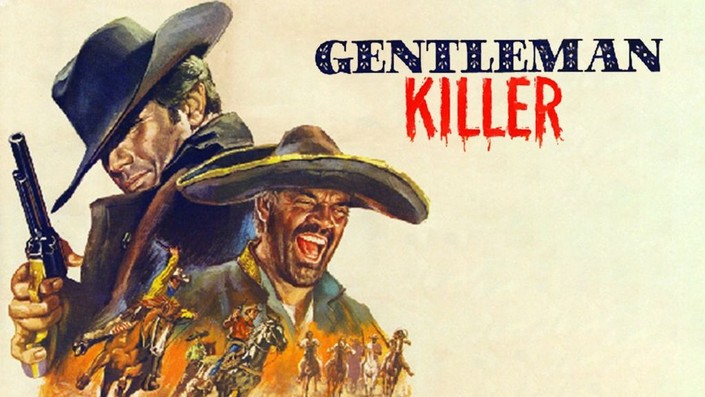
Gentleman Killer (1967) – A Spaghetti Western with Action

loola-games.info – Gentleman Killer (1967) is a Spaghetti Western film that adds a unique flair to the traditional Western genre. Directed by Jean-Louis Roy, this film stands out for its intriguing characters, complex narrative, and suspenseful atmosphere. As with many films in the Spaghetti Western genre, Gentleman Killer is set against the backdrop of the rugged American frontier, with themes of revenge, betrayal, and survival.

The Story of Gentleman Killer

In Gentleman Killer, the film follows a charismatic but deadly gunslinger named Dan, played by a lesser-known but capable actor, who becomes entangled in a world of crime, deceit, and violent encounters. The plot is centered around a complicated web of intrigue where loyalty is tested, and personal vendettas take precedence over justice.

Dan, the protagonist, is known for his calm demeanor and gentlemanly manners despite his violent profession as a gunslinger. As he navigates his dangerous world, he becomes embroiled in a series of shootouts, confrontations with outlaw gangs, and a quest for vengeance after a betrayal. Throughout the film, Dan’s struggle to balance his sense of honor with his need for retribution forms the crux of the narrative, providing tension and complexity to the plot.

While the film’s central focus is on the male lead’s journey, it also features several key female characters who play pivotal roles in the unfolding events. One of the significant roles in Gentleman Killer is the character played by Michele Lee, who brings her own unique touch to the film. Although her role is smaller compared to the male leads, her presence adds depth to the film’s interpersonal dynamics and helps shape the story’s emotional stakes.

Michele Lee’s Role in Gentleman Killer

In Gentleman Killer, Michele Lee plays a crucial supporting character whose involvement in the story adds both complexity and emotional weight to the film. Though she is not the film’s central character, Lee’s role as a strong, resourceful woman provides an important counterpoint to the male characters, particularly the protagonist. Her character is caught in the turbulent world of outlaws, but she brings a sense of calm and reason to the chaos that surrounds her.

Michele Lee’s performance in the film is both grounded and nuanced, showing her ability to portray a range of emotions in a genre typically dominated by stoic, action-oriented male characters. Lee’s character is not just a passive figure but someone who actively influences the plot and interacts meaningfully with the central characters. Her presence elevates the film and adds depth to its otherwise straightforward narrative.

While Gentleman Killer primarily focuses on the gunfights, chases, and typical Western tropes, Michele Lee’s role provides a humanizing element. Her character’s struggles and personal stakes bring additional layers to the story, reminding the audience that the Old West was not only a place of lawlessness but also of deeply personal relationships and conflicts.

Themes of Revenge and Honor

As with many Spaghetti Westerns, Gentleman Killer explores the themes of revenge, betrayal, and personal honor. The protagonist, played by the lead actor, is a man defined by his pursuit of vengeance after a betrayal that shatters his world. This sense of personal justice is a common theme in Spaghetti Westerns, where protagonists often operate outside the law to achieve their sense of retribution.

In Gentleman Killer, the plot revolves around the main character’s quest to avenge a betrayal, all while navigating a world filled with corruption, criminals, and shifting allegiances. As the film unfolds, the audience is treated to intense shootouts, dramatic standoffs, and tense moments of decision-making that highlight the protagonist’s inner struggle between his moral code and the brutal reality of life in the Old West.

While the action sequences are central to the film’s appeal, the emotional stakes are equally important. The tension between justice and vengeance is embodied by the lead character’s journey, making for a compelling and unpredictable narrative that keeps the audience engaged.

The Influence of Spaghetti Westerns

Gentleman Killer (1967) is a quintessential example of the Spaghetti Western genre, which became hugely popular during the 1960s. Spaghetti Westerns, often made by Italian filmmakers, were known for their distinctive approach to the Western genre, which included stylized violence, morally ambiguous characters, and a more cynical view of justice. Unlike traditional American Westerns, Spaghetti Westerns often featured gritty and anti-heroic protagonists, along with a stark portrayal of violence and corruption in the frontier.

The film embodies many of the characteristics of Spaghetti Westerns, including wide landscapes, dramatic close-ups, and a musical score that amplifies the tension and action. The Western genre’s familiar motifs—such as the lone gunslinger, the lawless frontier, and the moral ambiguity of its characters—are all present in Gentleman Killer, but with a distinct Italian flavor that emphasizes style and intensity over traditional storytelling conventions.

The film is also part of a larger movement in cinema that sought to subvert the traditional narratives of heroism and morality in Western films. The characters in Gentleman Killer are not simply good or bad but are defined by their own motivations, desires, and contradictions, which makes for a more nuanced and unpredictable viewing experience.

Conclusion

Gentleman Killer (1967) is a Spaghetti Western that stands out for its intriguing narrative, complex characters, and intense action. The film explores themes of revenge, honor, and betrayal, providing an engaging experience for fans of the genre. While the film focuses on the adventures of its male protagonist, Michele Lee’s portrayal of a strong and resourceful supporting character adds emotional depth and complexity to the storyline.

In a genre that often centers on masculine ideals and rugged individualism, Lee’s performance as a character caught in the chaos of the Old West helps to humanize the story and adds an essential layer of drama. Gentleman Killer is a memorable entry in the Spaghetti Western genre, and Michele Lee’s contribution ensures that it remains an engaging and worthwhile film for fans of the genre.

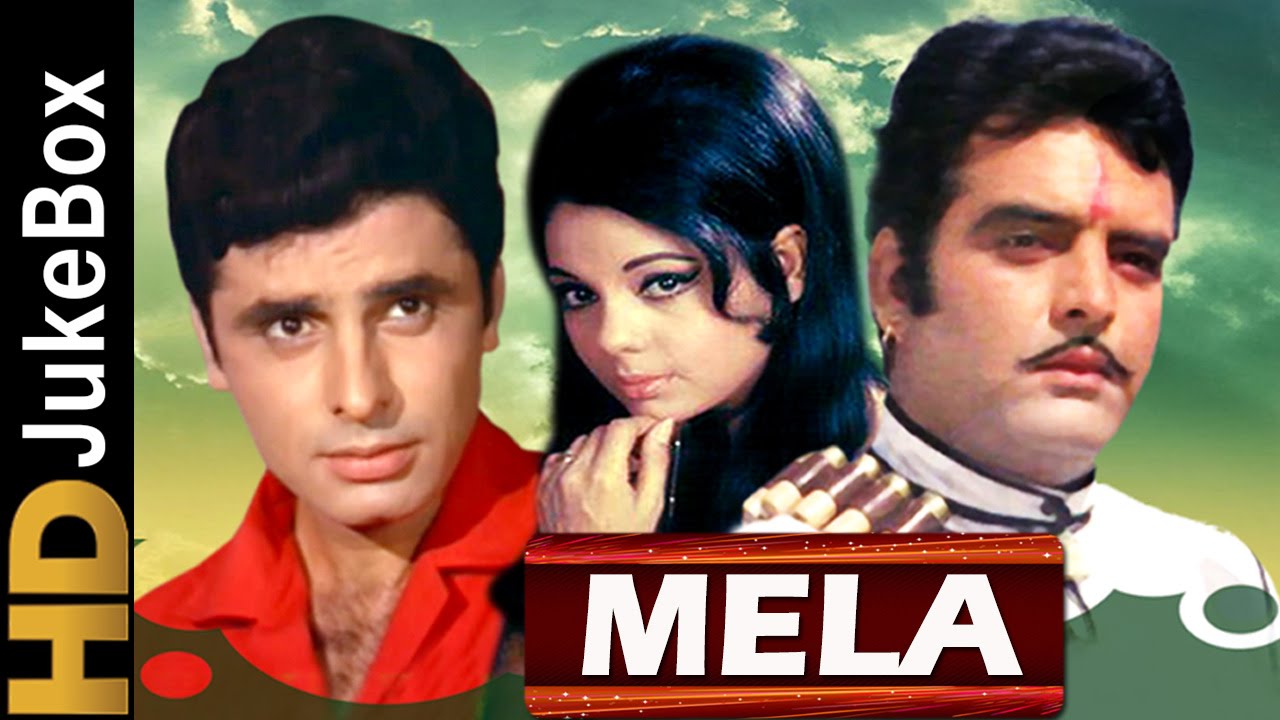
Mela (1971): A Tale of Love, Family – Bollywood

loola-games.info – Released in 1971, Mela is a Bollywood film that blends family drama, romance, and action under the direction of the renowned filmmaker, Azmi. Starring Dharmendra and Hema Malini in the lead roles, the film offers an engaging story of love, loyalty, and the intricate relationships within a family. Set against the backdrop of a village fair, Mela explores themes of fate, duty, and human emotions, weaving a tale of how love and family can triumph over adversity. While not as widely remembered as other classics of its time, Mela is still fondly remembered for its performances, emotional depth, and striking music.

Plot Overview

At its heart, Mela is a story about two childhood friends, Shankar (Dharmendra) and Meena (Hema Malini), whose lives take divergent paths due to unforeseen circumstances. Shankar and Meena grow up together in a rural village, where their friendship blossoms into love. The two are inseparable, sharing innocent moments of joy and promise. However, fate has different plans for them.

Due to unforeseen events, Shankar is separated from Meena and the two go their separate ways. While Shankar grows up to become a strong and loyal man, he is constantly haunted by the memory of Meena and their lost love. Meanwhile, Meena’s life takes a different turn as she is forced into a difficult marriage to a man she does not love.

As time passes, Shankar returns to the village in search of Meena, hoping to rekindle their lost romance. However, the situation is far more complicated than he anticipates, as Meena’s marriage and her obligations to her family present challenges that cannot be easily overcome. Shankar’s efforts to win Meena’s love back form the crux of the film’s emotional journey.

The film also explores the bond between Shankar and his family, especially his relationship with his younger brother. The larger backdrop of the village fair, where various characters converge, provides a sense of vibrant community life and a dramatic setting for the film’s conflicts and resolutions.

Performances

Dharmendra’s portrayal of Shankar is one of the defining highlights of the film. Known for his rugged charm and strong screen presence, Dharmendra brings a sense of depth to his character, playing the role of a man who is torn between his duties, his family, and his unyielding love for Meena. His emotional vulnerability, especially in scenes where he confronts the harsh realities of life, showcases his versatility as an actor.

Hema Malini, as Meena, gives an equally compelling performance. Her role as a woman caught between societal expectations, personal love, and familial duty is portrayed with grace and subtlety. Hema Malini’s chemistry with Dharmendra is one of the film’s key strengths, and their on-screen pairing adds warmth and authenticity to the narrative.

The supporting cast, including actors like Rajendra Nath, Mukri, and others, add layers to the narrative, infusing the film with moments of lightness and humor, as well as emotional depth. Their performances contribute to the well-rounded nature of the film, which balances intense drama with moments of levity.

Music and Cultural Impact

The music of Mela, composed by the legendary duo Shankar Jaikishan, is one of the film’s standout features. The songs capture the emotional landscape of the film, from the carefree love of childhood to the poignant longing of lost love. Tracks like “Mela Mein Milne Se,” sung by Kishore Kumar, and “Rang Rangili Chunar,” remain timeless classics in Bollywood music, with their melodies still resonating with fans today.

The music not only complements the emotional themes of the film but also elevates the narrative, bringing out the complex emotions of love, separation, and reunion. The beautiful lyrics, combined with the soulful tunes, remain an essential part of the film’s legacy and are often remembered as one of its defining aspects.

The setting of the village fair also plays an important role in the film’s cultural impact. The fair serves as a metaphor for life’s unpredictability and the intertwining of fate, love, and destiny. It’s a place where characters come together, separate, and rediscover each other, much like the unpredictable twists of life itself.

Legacy

Mela may not have achieved the same level of recognition as some other Bollywood classics of the 1970s, but it remains a significant film in the careers of both Dharmendra and Hema Malini. Their pairing, which would later become iconic in films like Rakhwala and Seeta Aur Geeta, was first truly explored here, making Mela a pivotal film in their on-screen partnership.

The film’s exploration of love and family, set against the backdrop of vibrant village life, continues to resonate with audiences who appreciate emotional dramas. Its songs, performances, and portrayal of familial bonds have ensured its place as a cherished film in the hearts of Bollywood fans.

Today, Mela is remembered as a film that offered a combination of emotional storytelling, engaging performances, and unforgettable music. It stands as a testament to the creative contributions of its filmmakers and actors, showcasing the timeless nature of Bollywood films that delve into love, sacrifice, and the complexities of human relationships.

Bandhan may not be widely celebrated in mainstream discussions of Bollywood cinema, but it holds a unique charm as a heartfelt tale of love, loyalty, and destiny, and remains a nostalgic favorite for fans of 1970s cinema.

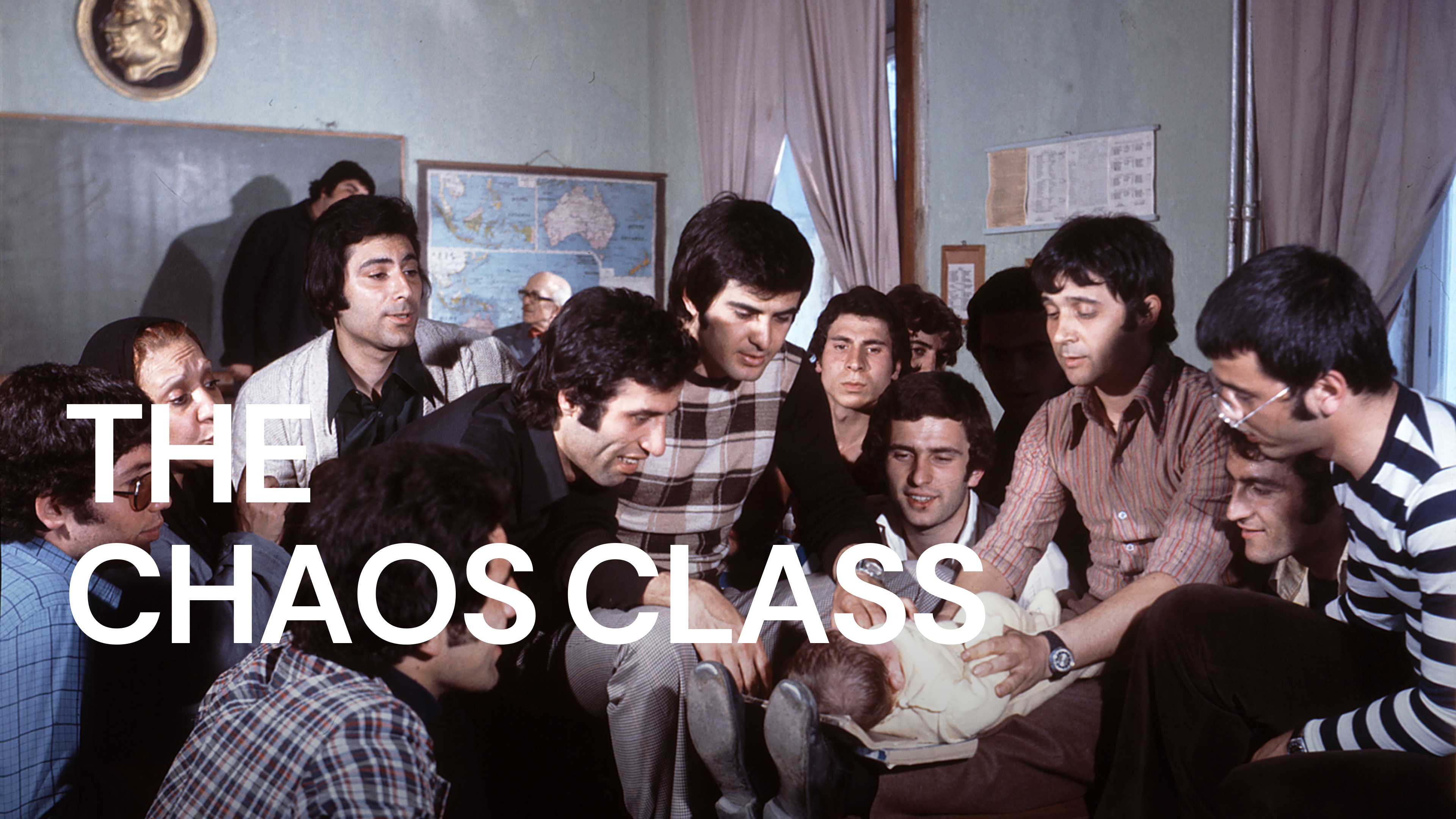
Hababam Sınıfı (The Chaos Class, 1975): Turkish Classic Comedy

loola-games.info – Hababam Sınıfı (The Chaos Class), a 1975 Turkish comedy film directed by Ertem Eğilmez, and its subsequent sequels, constitute a beloved and enduring series that has become a cultural phenomenon in Turkey. Based on a novel by Rıfat Ilgaz, the films offer a satirical and heartwarming portrayal of a group of mischievous students in a private high school. More than just a simple school comedy, Hababam Sınıfı explores themes of friendship, rebellion, social commentary, and the clash between traditional and modern education. This article delves into the narrative, themes, characters, and lasting impact of this iconic series.   

Narrative: Mischief, Mayhem, and a Touch of Heart

The narrative of Hababam Sınıfı centers around the titular “Chaos Class,” a group of unruly and rebellious students in a private high school named Çamlıca High School. These students, renowned for their elaborate pranks, their consistent disregard for school rules, and their unwavering camaraderie, create constant chaos within the school’s structured environment. Their primary target, and often the recipient of their most elaborate schemes, is their long-suffering headmaster, Mahmut Hoca, who is perpetually striving to maintain order and instill discipline, often to humorous and futile effect.

The films follow the daily lives of the Chaos Class, depicting their ingenious pranks, their struggles with academic subjects (which they often circumvent with creative methods), and their complex relationships with their diverse range of teachers. While the humor is frequently slapstick and lighthearted, the films also subtly touch on more serious and relevant themes, including social inequality within the educational system, the rigidities of traditional pedagogical approaches, and the universal challenges and anxieties of adolescence. The narrative structure, while episodic in nature, maintains a strong focus on the enduring bonds of friendship and the powerful sense of community fostered within the seemingly chaotic confines of the Chaos Class.

Themes: Exploring School Life and Social Issues

Hababam Sınıfı explores several relatable and enduring themes:

  • Friendship and Camaraderie: The very core of the series’ appeal lies in the strong, unwavering bonds of friendship forged between the members of the Chaos Class. Their unwavering loyalty and mutual support, despite their constant mischievous behavior, form the emotional heart of the films, resonating with audiences of all ages.
  • Rebellion Against Authority: The students’ consistent pranks and frequent disregard for established rules represent a lighthearted yet pointed form of rebellion against the perceived rigidities of the traditional education system and the often-strict authority figures within the school hierarchy. This theme struck a chord with generations of students who could relate to the frustrations of restrictive educational environments.
  • Social Commentary: Beneath the surface of the comedic antics, the films offer subtle yet effective social commentary on pertinent issues such as social inequality and the noticeable disparities between private and public education in Turkey. The privileged backgrounds of some of the students are implicitly contrasted with the more modest socioeconomic backgrounds of others, subtly highlighting these existing social and economic differences within the student body.
  • The Clash Between Traditional and Modern Education: The films also subtly address the ongoing tension between traditional, often rote-learning based, and more modern, student-centered approaches to education. The frequently outdated and inflexible teaching methods employed by some of the teachers are humorously contrasted with the students’ innate desire for a more engaging, relevant, and practical learning experience.

Characters: Iconic Figures of Turkish Comedy

The characters in Hababam Sınıfı have transcended the screen to become iconic figures in Turkish popular culture, deeply embedded in the collective memory of generations of viewers:

  • Mahmut Hoca (Münir Özkul): Mahmut Hoca, the perpetually exasperated yet ultimately well-meaning headmaster, is a classic comedic foil. His constant, often futile, struggles to maintain control over the Chaos Class provide a significant source of the comedic tension and humorous situations within the films.
  • İnek Şaban (Kemal Sunal): İnek Şaban, brilliantly portrayed by Kemal Sunal, is arguably the most beloved and recognizable character in the entire series. His naive charm, his accidental moments of brilliance that often inadvertently foil the teachers’ plans, and his unwavering loyalty and dedication to his friends have made him a lasting symbol of the underdog, endearing him to audiences across social strata.
  • Güdük Necmi (Halit Akçatepe): Güdük Necmi is another iconic character, known for his quick wit, his talent for devising elaborate pranks, and his essential role in the class’s mischievous endeavors.
  • The Other Members of the Chaos Class: The remaining members of the class, each possessing their own distinct personalities, quirks, and comedic timing, contribute significantly to the overall dynamic and humor of the series, creating a rich tapestry of student life.

Lasting Impact: A Cultural Phenomenon and a Source of Nostalgia

Hababam Sınıfı has firmly established itself as a cultural phenomenon in Turkey, remaining a beloved and frequently rewatched series that continues to resonate with contemporary audiences. Its relatable characters, its humorous and often satirical portrayal of school life, and its underlying social commentary have resonated deeply with viewers across multiple generations. The films’ enduring popularity can be largely attributed to the exceptional performances of the talented ensemble cast, with Kemal Sunal’s iconic portrayal of İnek Şaban being a particular highlight. For many, the series has become a potent source of nostalgia, evoking fond memories of their own school days, the enduring power of friendship, and the shared experiences of youth.

Conclusion: A Timeless Celebration of Friendship and Rebellion

Hababam Sınıfı is much more than just a simple comedy series; it is a vibrant celebration of friendship, youthful rebellion, and the enduring human spirit. Its humorous yet insightful portrayal of school life, combined with its subtle yet relevant social commentary, has solidified its position as a timeless classic of Turkish cinema. The series’ enduring legacy rests on its remarkable ability to bring laughter and joy to audiences while simultaneously reminding us of the enduring importance of camaraderie, the courage to challenge established authority, and the enduring spirit of youthful rebellion against conformity. It continues to be a staple of Turkish television and a cherished reminder of the golden age of Turkish comedy.

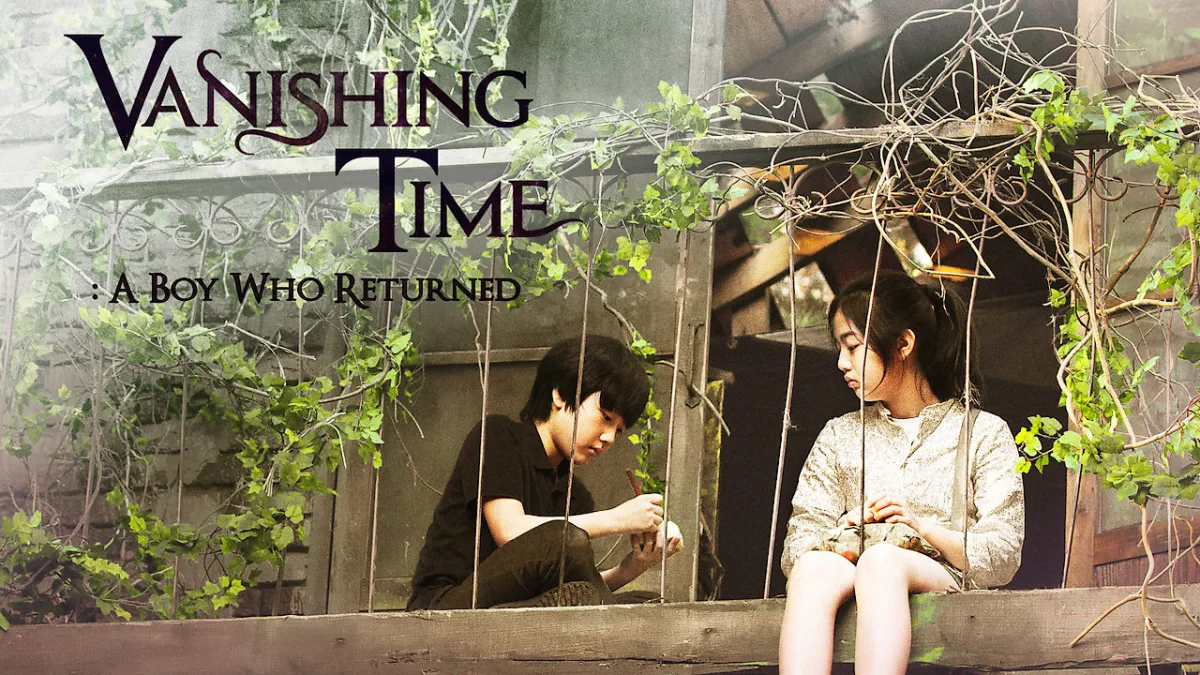
“Vanishing Time: A Boy Who Returned” (2016)

loola-games.info – “Vanishing Time: A Boy Who Returned” (가려진 시간), a 2016 South Korean fantasy romance film directed by Um Tae-hwa, tells a captivating and melancholic story about the mysteries of time and the enduring power of friendship. The film blends elements of fantasy, drama, and coming-of-age to create a unique and emotionally resonant narrative.

A Mysterious Incident: Time Stands Still

The film revolves around a group of children, including Sung-min and Soo-rin, who venture into a forbidden mountain cave. While inside, they experience a strange phenomenon: time stops for everyone except them. They become trapped in a distorted time dimension, aging rapidly while the outside world remains frozen.

This central premise creates a compelling sense of mystery and intrigue. The film immediately draws the viewer into the children’s experience, making them question the nature of time and reality.

A Boy Returns: Reintegration into a Changed World

Years later, a now-grown Sung-min (Kang Dong-won) suddenly reappears in the village, still possessing the mind of a child. He seeks out Soo-rin (Shin Eun-soo), who is now a teenager and the only one who believes his story.

The film then focuses on Sung-min’s struggle to reintegrate into a world that has moved on without him. He must convince others of his identity and navigate the challenges of living in a body that no longer matches his age.

A Bond Beyond Time: The Power of Friendship

The core of “Vanishing Time” is the bond between Sung-min and Soo-rin. Soo-rin’s unwavering belief in Sung-min, despite the skepticism of everyone else, is a testament to the strength of their friendship.

Their relationship is portrayed with sensitivity and tenderness, highlighting the importance of connection and understanding in the face of extraordinary circumstances. The film explores themes of loyalty, trust, and the enduring power of childhood bonds.

A Melancholic Atmosphere: Exploring Themes of Loss and Isolation

The film maintains a melancholic atmosphere throughout, reflecting the sense of loss and isolation experienced by Sung-min. He has lost years of his life, missed out on growing up with his friends, and now finds himself a stranger in his own community.

The film also explores the theme of grief, as Soo-rin has had to cope with the disappearance of her friends for years. Their reunion is both joyful and tinged with sadness, as they must confront the reality of their changed circumstances.

A Visually Stunning and Emotionally Resonant Experience

“Vanishing Time” is a visually stunning film, with beautiful cinematography that captures the serene beauty of the rural setting. The film’s visuals enhance the dreamlike quality of the story and contribute to its melancholic atmosphere.

The film’s strength lies in its ability to create an emotionally resonant experience. The performances of Kang Dong-won and Shin Eun-soo are particularly noteworthy, conveying the complex emotions of their characters with depth and sincerity.

A Unique and Touching Story: A Reminder of the Power of Connection

“Vanishing Time: A Boy Who Returned” is a unique and touching film that explores the mysteries of time and the enduring power of human connection. Its blend of fantasy, drama, and coming-of-age elements creates a captivating and emotionally resonant narrative. It’s a film that stays with you long after the credits roll, prompting reflection on the nature of time, memory, and the importance of cherishing the bonds we share with others.

A Man Called Adam: A Jazz-Infused Drama

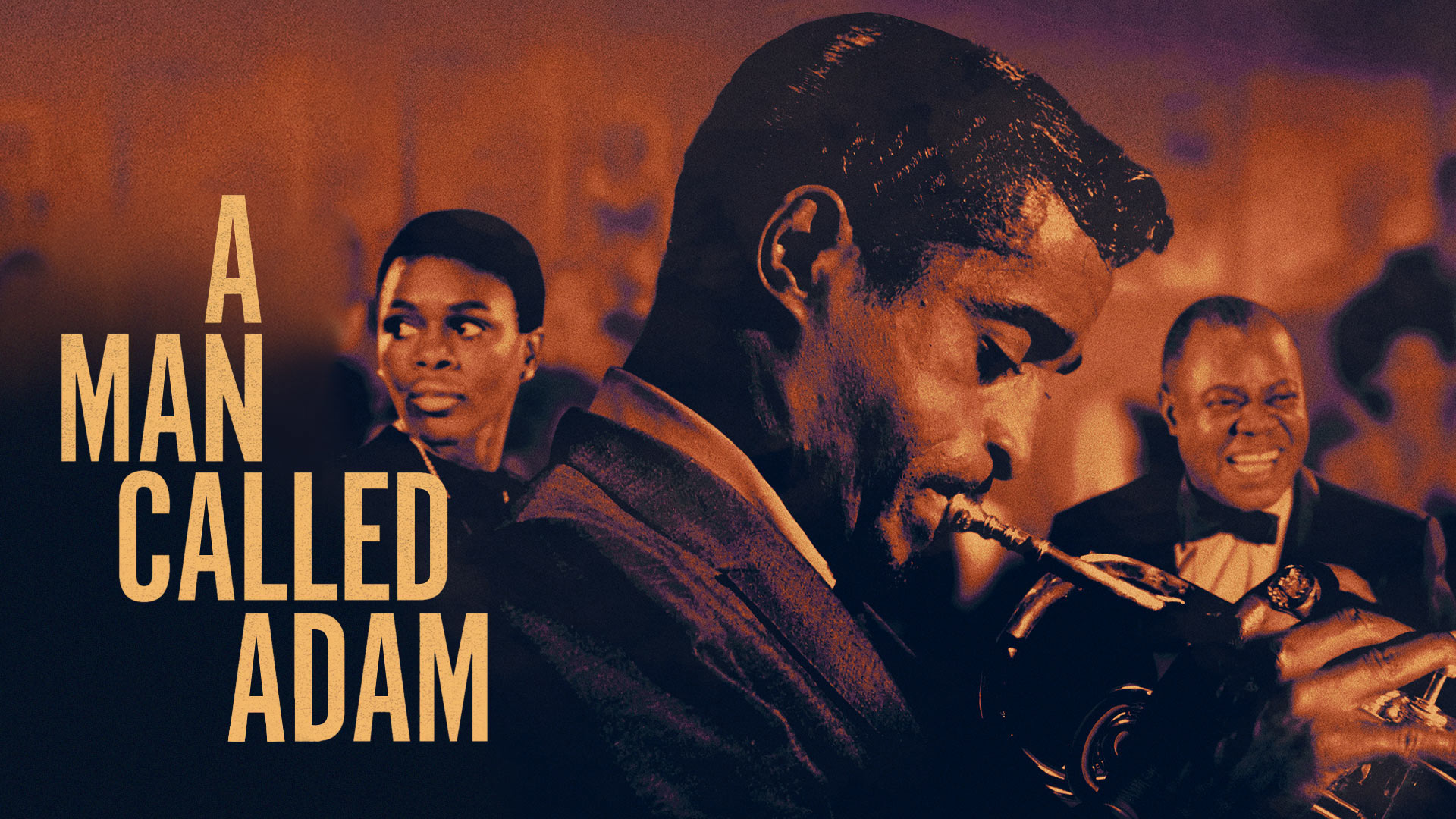
loola-games.info – A Man Called Adam (1966) is a captivating musical drama that delves into the complex life of a talented jazz trumpeter. Starring the iconic Sammy Davis Jr., the film offers a poignant exploration of love, loss, and the redemptive power of music.  

A Haunting Past and a Troubled Present

Davis portrays Adam Johnson, a world-renowned musician haunted by a tragic past. Consumed by guilt and grief, Adam struggles with alcoholism and reckless behavior. His life takes a turn when he encounters Claudia Ferguson, a spirited young woman who challenges him to confront his demons and find redemption.  

A Musical Tapestry

One of the film’s greatest strengths is its powerful soundtrack. Featuring a blend of jazz, blues, and soul, the music elevates the narrative and adds depth to the characters’ emotions. The film showcases Davis’s exceptional musical talent, as well as performances by legendary musicians like Louis Armstrong and Mel Tormé.  

A Timeless Tale of Love and Redemption

Beyond its musical brilliance, A Man Called Adam is a touching love story. The chemistry between Davis and Cicely Tyson, who plays Claudia, is palpable, and their performances bring a sense of authenticity to the film. The narrative explores themes of forgiveness, second chances, and the enduring power of love.

A Legacy of Soulful Cinema

A Man Called Adam is a timeless film that continues to resonate with audiences. Its powerful performances, soulful music, and poignant story make it a classic of American cinema. The film’s exploration of the human condition and the transformative power of music remains relevant today, making it a must-watch for fans of jazz, drama, and soul.

Strangers When We Meet: A Classic Tale of Love & Infidelity

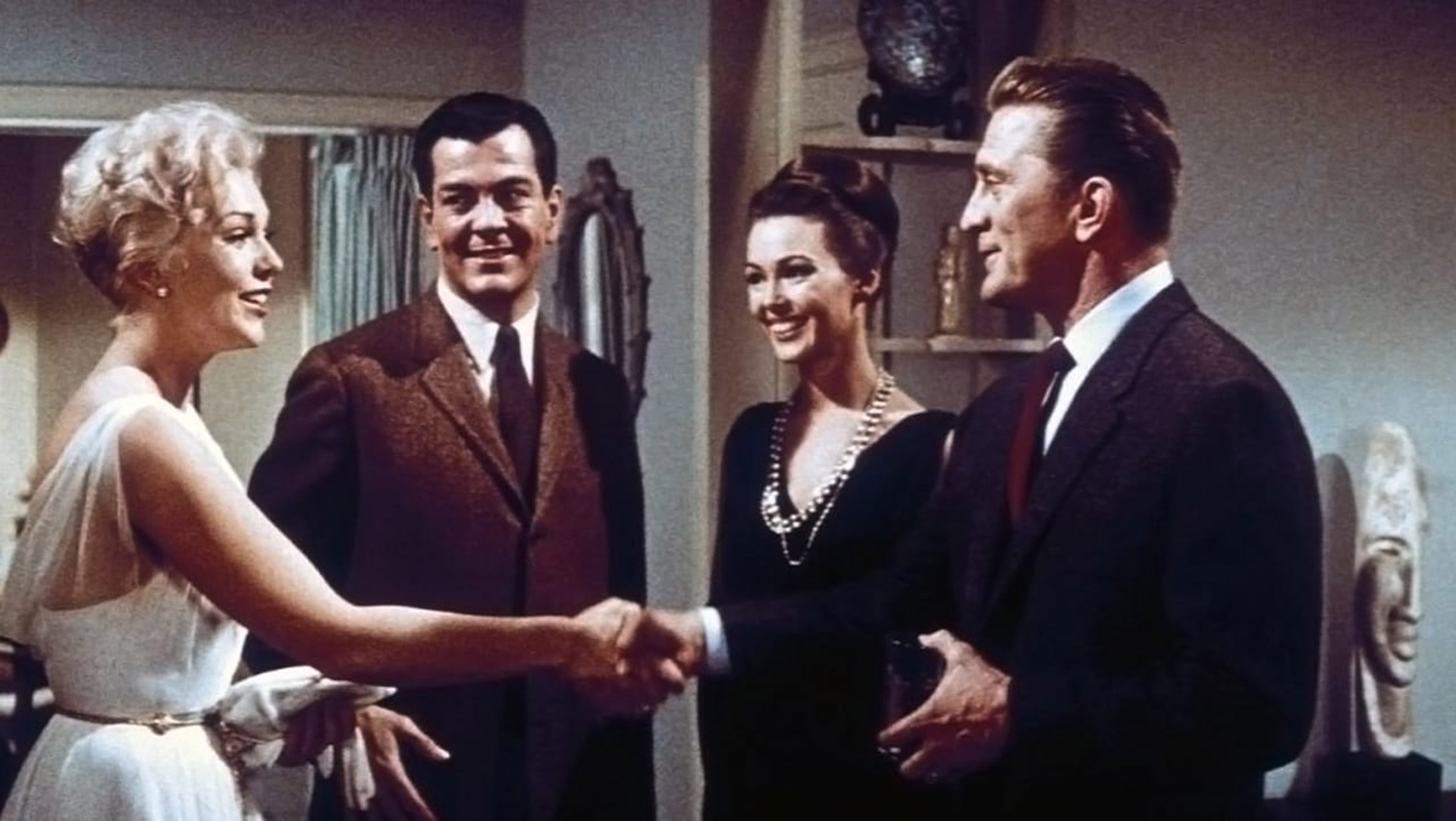
loola-games.info – Released in 1960, Strangers When We Meet is a romantic drama film directed by Richard Quine and starring Kirk Douglas and Kim Novak. The film explores the complexities of love, marriage, and infidelity, delving into the emotional turmoil of its characters.

A Complicated Love Triangle

The film follows the story of Steve Ellis, a successful advertising executive who becomes infatuated with Eve Kohler, a beautiful and mysterious woman. Despite being happily married, Steve finds himself drawn to Eve, leading to a passionate and forbidden affair. As the relationship deepens, both Steve and Eve face the consequences of their actions, jeopardizing their marriages and their own happiness.

A Psychological Exploration

Strangers When We Meet is more than just a romantic drama; it’s a psychological exploration of the human condition. The film delves into the complexities of love, desire, and guilt, examining the emotional turmoil experienced by its characters. The film’s exploration of infidelity and its impact on relationships remains relevant today.

A Stellar Cast

The film features strong performances from its lead actors. Kirk Douglas delivers a compelling performance as the conflicted and morally ambiguous Steve Ellis. Kim Novak shines as the alluring and enigmatic Eve Kohler, captivating the audience with her beauty and charm.

A Timeless Tale of Love and Loss

Strangers When We Meet is a timeless film that continues to resonate with audiences. Its exploration of love, loss, and the consequences of infidelity remains relevant today. The film’s powerful performances, insightful script, and evocative score make it a classic of the genre.

In conclusion, Strangers When We Meet is a poignant and thought-provoking film that offers a timeless exploration of love, desire, and the human condition. Its enduring appeal lies in its powerful performances, insightful script, and its ability to evoke strong emotions in its audience.

God’s Little Acre: A Exploration of Rural Poverty and Desire

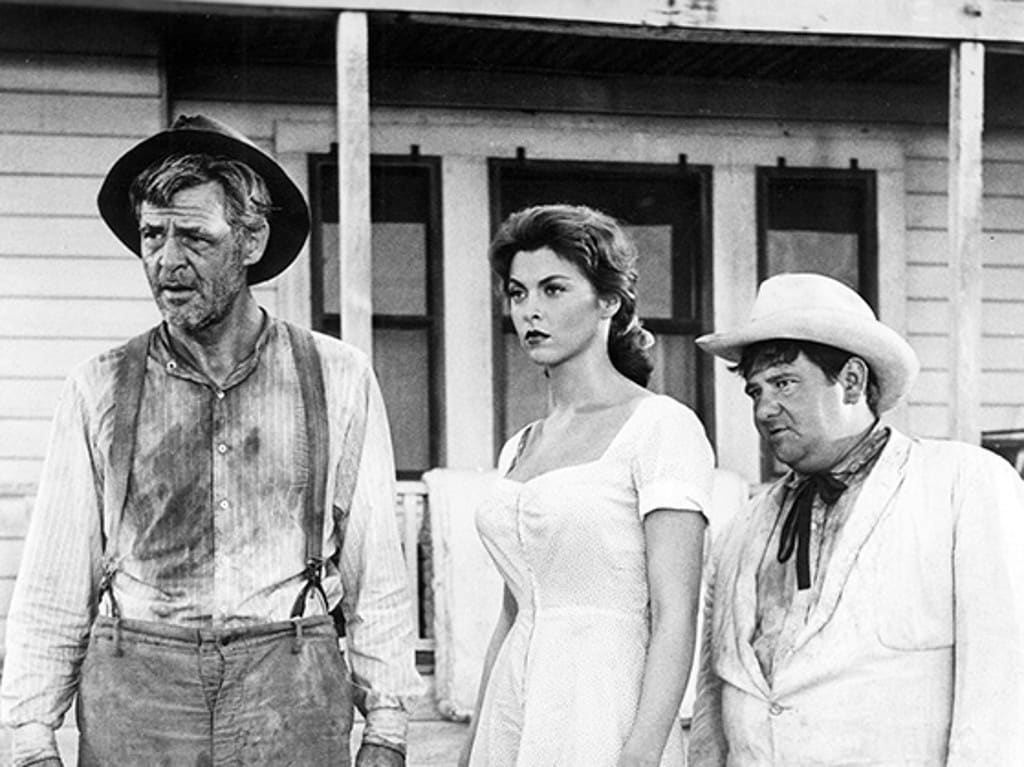
loola-games.info – Anthony Mann’s 1958 film, God’s Little Acre, is a bold and controversial adaptation of Erskine Caldwell’s controversial novel of the same name. Set in the rural South, the film delves into the lives of the impoverished Walden family, exploring themes of poverty, lust, and the relentless pursuit of the American Dream.   

A Family Bound by Blood and Obsession

The film centers on the patriarch, Ty Ty Walden, played by Robert Ryan, a charismatic but deeply flawed character. Ty Ty is obsessed with finding a hidden treasure buried on his family’s land, a quest that consumes his life and drives his family to the brink of despair. His sons, Buck and George, are equally driven, each with their own dreams and desires.   

The women in the film are equally complex and compelling. Darlin’ Jill, played by Fay Spain, is a sensual and seductive figure who uses her sexuality to manipulate men. Her sister, Griselda, played by Tina Louise, is a more innocent and idealistic character who longs for a better life.   

A Controversial and Provocative Film

Upon its release, God’s Little Acre was met with both critical acclaim and controversy. The film’s frank portrayal of sexuality, violence, and poverty shocked audiences and challenged the moral standards of the time. However, the film’s raw power and unflinching honesty have earned it a cult following over the years.   

Mann’s direction is masterful, capturing the bleak beauty of the rural South and the desperation of its inhabitants. The film’s cinematography is stunning, with stark black and white imagery that emphasizes the stark reality of the characters’ lives.

A Timeless Exploration of the Human Condition

Despite its controversial subject matter, God’s Little Acre remains a powerful and thought-provoking film. Its exploration of the human condition, with all its flaws and complexities, is as relevant today as it was in 1958. The film’s characters are unforgettable, and their struggles continue to resonate with audiences.

God’s Little Acre is a challenging but rewarding film that offers a glimpse into a world often overlooked by mainstream cinema. Its unflinching honesty and bold storytelling make it a must-see for fans of classic cinema and those who appreciate a truly provocative film.

Harper Valley P.T.A. (1978): Small-Town America

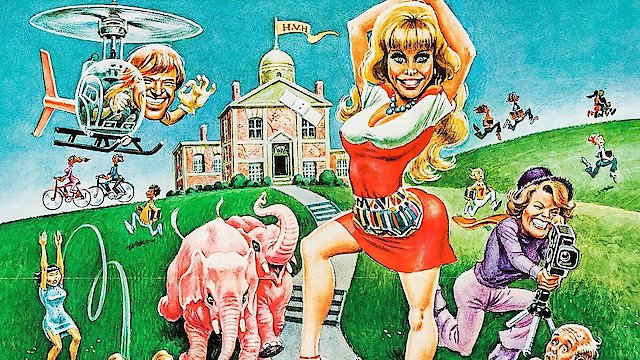
loola-games.info – “Harper Valley P.T.A.” is a 1978 American film that encapsulates the charm and humor of small-town life, while tackling themes of hypocrisy and social norms. The film was adapted from the 1968 hit country song of the same name by Jeannie C. Riley, which had earlier inspired a successful television series. Directed by Richard C. Bennett and Ralph Senensky, this comedy-drama stands as a cultural landmark of its time, offering a satirical look at the moral codes that often govern small communities.

Plot Summary

The film centers around Stella Johnson, a spirited and independent single mother living in the fictional town of Harper Valley. Stella becomes the subject of gossip and judgment from the local Parent-Teacher Association (P.T.A.) for her unconventional lifestyle. The story kicks off when Stella receives a condescending letter from the P.T.A. condemning her behavior, which they claim is setting a bad example for the town’s youth.

In response, Stella decides to take a stand against the P.T.A.’s hypocrisy. Armed with wit and determination, she exposes the secrets and scandals of the very people who dared to criticize her. The film cleverly uses humor to highlight the contradictions and double standards prevalent in the community, ultimately delivering a message about the importance of individuality and integrity.

Cast and Characters

Barbara Eden, famous for her role in “I Dream of Jeannie,” stars as Stella Johnson. Her performance is both charismatic and empowering, bringing to life the character’s defiance and charm. The supporting cast includes Ronny Cox, Nanette Fabray, and Louis Nye, each contributing to the film’s comedic and narrative depth. Eden’s portrayal of Stella Johnson became iconic, resonating with audiences who appreciated her fight for fairness and authenticity.

Themes and Impact

“Harper Valley P.T.A.” cleverly examines themes of hypocrisy, empowerment, and social conformity. The film’s narrative criticizes the often unjust moral standards imposed by self-righteous individuals and organizations. Through Stella’s journey, it encourages viewers to question societal norms and embrace their individuality.

The film also serves as a time capsule of the late 1970s, depicting the fashion, music, and cultural attitudes of the era. Its blend of comedy and drama, along with a catchy soundtrack, made it a memorable piece of entertainment that appealed to a wide audience.

Legacy

While “Harper Valley P.T.A.” may not have received critical acclaim at the time of its release, it has since gained a cult following. The film is remembered for its humorous take on serious social issues and its portrayal of a strong female protagonist challenging the status quo. It continues to be a beloved classic for those who enjoy stories of personal triumph and social justice wrapped in a comedic package.

In summary, “Harper Valley P.T.A.” (1978) is more than just a film adaptation of a song; it is a comedic exploration of small-town life and a critique of the societal pressures that often accompany it. Its enduring popularity is a testament to its timeless themes and the universal appeal of standing up for what is right.

Green Mansions (1959): A Mystical Journey

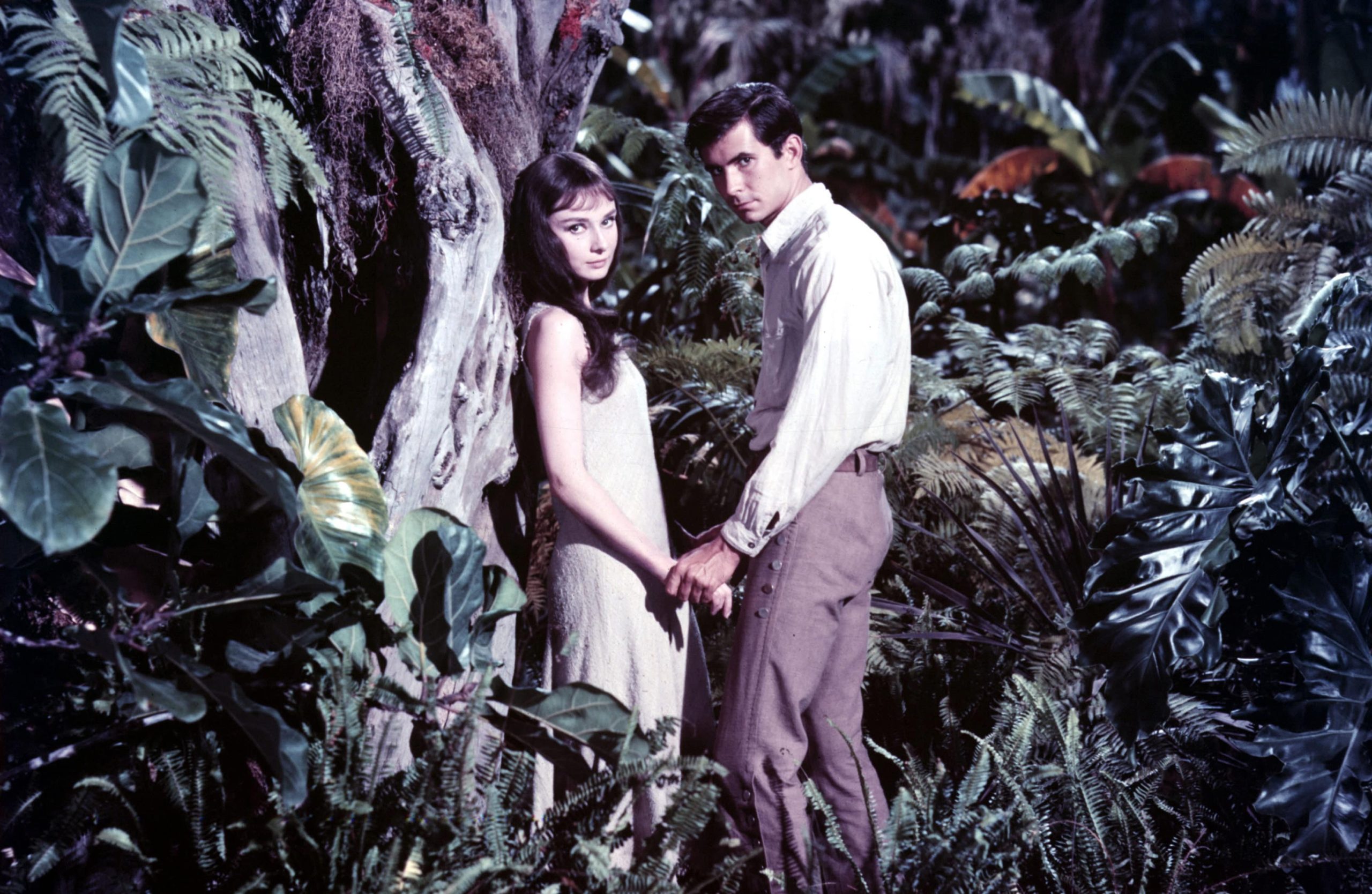
loola-games.info – “Green Mansions” is a 1959 adventure-romance film directed by Mel Ferrer, based on the 1904 novel by W. H. Hudson. Starring Audrey Hepburn and Anthony Perkins, the film explores themes of love and mysticism set in the lush jungles of South America. Despite its ambitious narrative and star-studded cast, the film faced mixed reviews upon release.

Plot Overview

The story follows Abel, played by Anthony Perkins, a young Venezuelan man who flees into the jungle to escape political turmoil. In this remote wilderness, he encounters Rima, portrayed by Audrey Hepburn, a mysterious and ethereal woman who seems to be at one with the forest. As Abel and Rima develop a deep connection, they face challenges that test their love and survival instincts amidst the untamed beauty of the jungle.

Cast and Characters

  • Audrey Hepburn as Rima: Hepburn brings a delicate and enchanting presence to the role of Rima, embodying the character’s mystical qualities and connection to nature.
  • Anthony Perkins as Abel: Perkins delivers a compelling performance as the idealistic adventurer seeking refuge and redemption in the forest.
  • Lee J. Cobb as Nuflo: Cobb plays a pivotal role as a guide and guardian figure in Rima’s life, adding complexity to the film’s narrative.

Production and Direction

Directed by Mel Ferrer, who was married to Audrey Hepburn at the time, “Green Mansions” sought to capture the mystical realism of Hudson’s novel. The film’s cinematography takes full advantage of the rich and vibrant landscapes, aiming to transport audiences into the heart of the jungle. Despite these efforts, the film struggled to fully translate the book’s mystical elements onto the screen.

Cultural Impact

“Green Mansions” was released during a period when epic romances and exotic settings were popular in Hollywood. However, it did not achieve the critical or commercial success anticipated. The film is often noted as a lesser-known entry in Hepburn’s filmography, overshadowed by her more successful roles but still appreciated for its visual beauty and ambitious storytelling.

Challenges and Reception

The film’s reception was mixed, with critics highlighting its visual appeal but critiquing its pacing and narrative coherence. “Green Mansions” attempted to blend romance with adventure and fantasy, a balance that proved challenging to maintain throughout the film.

Conclusion

“Green Mansions” remains a curious artifact in the careers of its stars, offering a glimpse into a different kind of storytelling that combines romance with the mystique of the natural world. While it may not have reached the heights of other films from its era, it stands as a testament to the artistic ambitions of its creators and the enduring allure of its lead actors.

Bunohan (2012): An Exploration of Identity and Betrayal

loola-games.info – “Bunohan,” a 2012 Malaysian film directed by Dain Said, is a compelling narrative that intertwines themes of family, identity, and betrayal. Set in the rural parts of Malaysia, the film offers a gripping tale that delves deep into the complexities of human relationships and the struggle for survival. This article provides an in-depth look at the elements that make “Bunohan” a significant piece of Malaysian cinema.

Plot Overview

The story of “Bunohan” revolves around three estranged brothers—Adil, Bakar, and Ilham—who are brought together by fate in their hometown of Bunohan. Adil, a kickboxer, returns to escape from a deadly fight, while Ilham, a hired killer, is on a mission that could end in familial bloodshed. Meanwhile, Bakar, a schoolteacher, harbors his own sinister motives tied to family land. As their paths intersect, long-buried secrets and betrayals come to the forefront, leading to a tragic confrontation.

Themes and Symbolism

“Bunohan” is rich with themes of identity and the search for belonging. It explores the complex dynamics of familial loyalty versus personal ambition. The film uses the backdrop of the Malaysian landscape to symbolize the characters’ internal struggles and the cultural tensions between tradition and modernity. The title itself, “Bunohan,” meaning “murder” in Malay, underscores the pervasive violence and moral decay that permeates the story.

Cinematic Techniques

Dain Said’s direction in “Bunohan” is marked by its atmospheric storytelling and vivid cinematography. The film captures the raw beauty of Malaysia’s rural landscapes, using them as a metaphor for the characters’ turbulent emotions. The visual style combines naturalistic settings with poetic imagery, enhancing the film’s narrative depth. The use of traditional music and soundscapes further immerses viewers in the cultural context of the story.

Impact and Reception

“Bunohan” received critical acclaim both in Malaysia and internationally, praised for its storytelling, artistic direction, and cultural authenticity. It was selected as Malaysia’s entry for the Best Foreign Language Film at the 85th Academy Awards and won several awards at film festivals. The film has been lauded for its ability to transcend typical genre boundaries, offering a narrative that is both universally relatable and distinctively Malaysian.

Conclusion

“Bunohan” stands out as a powerful exploration of the human condition set against the backdrop of Malaysia’s cultural and natural landscapes. Its intricate narrative and strong thematic elements make it a must-watch for those interested in cinema that challenges and engages. Through its portrayal of identity, betrayal, and the ties that bind us, “Bunohan” leaves a lasting impression on audiences around the world.

The Barber of Siberia (1998): A Sweeping Tale of Love & Ambition

loola-games.info – “The Barber of Siberia” is a 1998 Russian film directed by the acclaimed filmmaker Nikita Mikhalkov. Set against the backdrop of late 19th-century Russia, the film is a historical drama that combines elements of romance, comedy, and tragedy. It explores themes of love, identity, and the clash between tradition and progress.

Plot Overview

The film tells the story of Jane Callahan, a young American woman who travels to Russia under the employ of a flamboyant American entrepreneur, Douglas McCracken. McCracken aims to sell his invention, a massive steam-powered tree-felling machine known as “The Barber of Siberia,” to the Russian military. During her journey, Jane meets Cadet Andrei Tolstoy, a passionate and idealistic young man. Their unexpected romance becomes central to the narrative, set against the majestic and often harsh Russian landscape.

Themes and Analysis

“The Barber of Siberia” explores the intersection of personal ambition and romantic entanglement. The film delves into the cultural differences between East and West, embodied by the characters of Jane and Andrei. It also reflects on the tension between technological progress and the preservation of traditional values, a theme symbolized by McCracken’s machine.

Cinematic Techniques

Nikita Mikhalkov employs a grand, operatic style in “The Barber of Siberia,” utilizing lush cinematography and a sweeping musical score to capture the grandeur of the Russian setting. The film blends humor with drama, creating a rich tapestry of emotions that resonate with the audience. Mikhalkov’s direction ensures that the human story remains at the heart of this epic narrative.

Reception and Legacy

Upon its release, “The Barber of Siberia” received mixed reviews but was celebrated for its visual splendor and ambitious storytelling. It was screened out of competition at the Cannes Film Festival in 1999 and has gained a dedicated following over the years. The film is often praised for its ability to encapsulate the spirit of Russia during a period of great change.

Conclusion

“The Barber of Siberia” is a cinematic journey that combines romance, history, and cultural commentary. Through its richly drawn characters and evocative settings, the film offers a poignant exploration of love and ambition in a world on the brink of modernization. It remains a testament to Nikita Mikhalkov’s skill as a storyteller and his ability to capture the complexities of the human experience.

“Recep İvedik 6”: A Journey of Laughter & Cultural Exploration

loola-games.info – “Recep İvedik 6” is the latest installment in the popular Turkish comedy film series that has captured the hearts of audiences with its unique blend of humor and cultural commentary. Directed by Togan Gökbakar and starring the beloved comedian Şahan Gökbakar in the titular role, this film continues the adventures of the endearingly clumsy and socially awkward character, Recep İvedik.

Plot Summary

In “Recep İvedik 6,” the story takes an unexpected turn when Recep receives an invitation to a prestigious cultural festival in Kenya. The mix-up occurs because Recep thinks he’s going to a traditional wrestling festival in Turkey. This misunderstanding sets the stage for a series of hilarious encounters and misadventures as Recep navigates the cultural landscape of Kenya.

The film is a comedic exploration of cultural differences and misunderstandings, with Recep’s boisterous and often inappropriate antics providing plenty of laughs. As he interacts with the local community, Recep’s journey becomes one of personal growth, learning to appreciate and respect cultural diversity while staying true to his unique personality.

Characters and Performances

Şahan Gökbakar shines once again in his role as Recep İvedik, delivering a performance that is both humorous and heartfelt. His ability to infuse the character with both comedic timing and authentic emotion is a testament to his talent as an actor. The supporting cast, including a mix of Turkish and Kenyan actors, adds depth and richness to the film’s portrayal of cultural interactions.

Themes and Cultural Commentary

“Recep İvedik 6” delves into themes of cultural identity, globalization, and the importance of understanding and respecting other cultures. While the film primarily aims to entertain, it also subtly encourages audiences to reflect on their own perceptions of cultural differences and the value of empathy and open-mindedness.

Reception and Impact

While the Recep İvedik series has always been a box office success in Turkey, “Recep İvedik 6” received a mixed critical reception. Some praised its humor and the boldness of taking the character abroad, while others critiqued certain stereotypes and the film’s comedic approach to cultural sensitivity. Nonetheless, the film’s popularity among fans of the series remains strong, solidifying its place in Turkish pop culture.

Conclusion

“Recep İvedik 6” continues the legacy of its predecessors by offering a comedic yet thought-provoking take on cultural exploration. With its blend of humor, heart, and cultural insight, the film provides a unique cinematic experience that resonates with audiences both in Turkey and beyond. As Recep İvedik continues his journey, viewers are reminded of the power of laughter to bridge cultural divides and bring people together.