
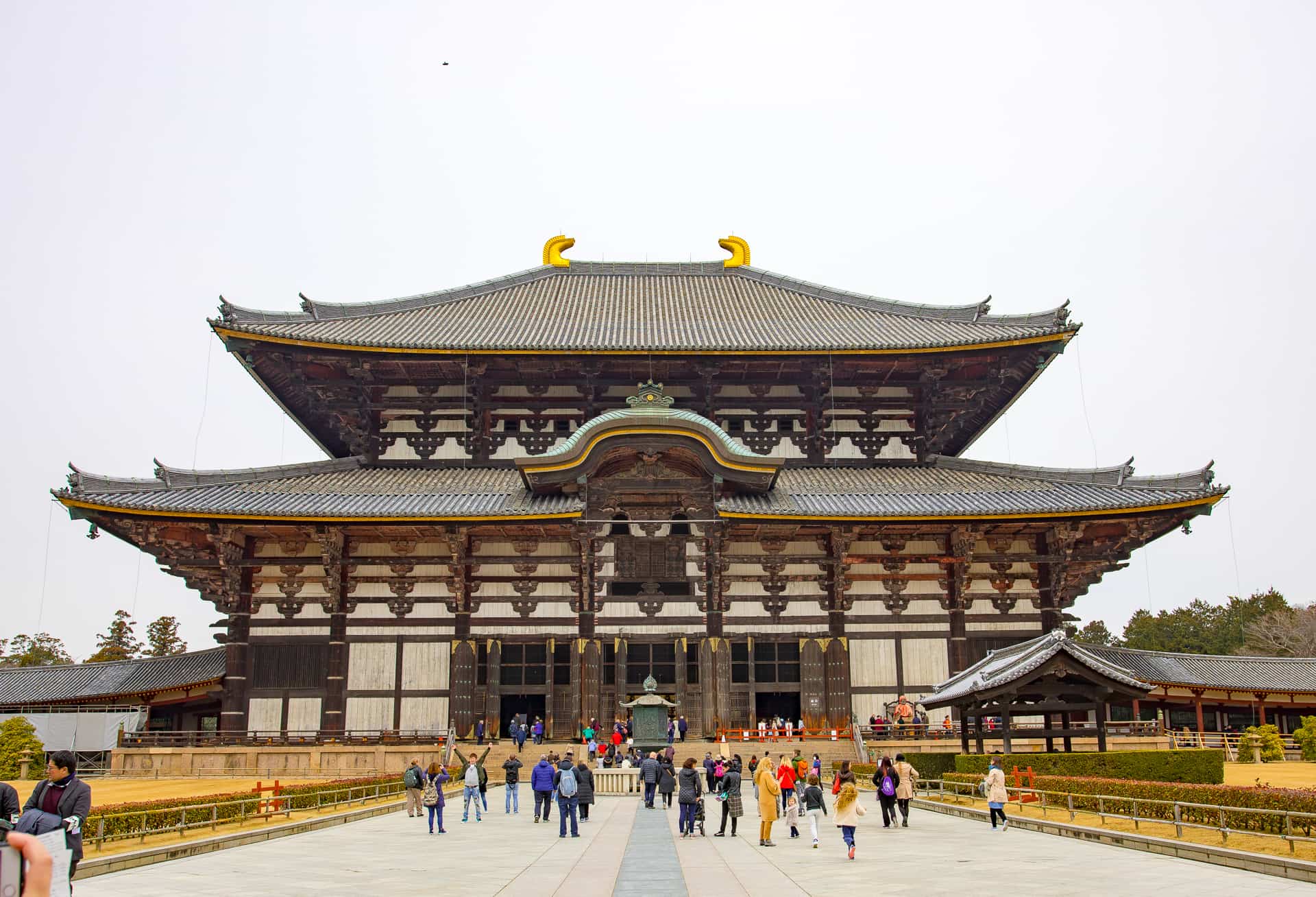
Exploring Nara: Japan’s Ancient Capital

loola-games.info – Nara, a city located in the Kansai region of Japan, is renowned for its historical significance and cultural treasures. As Japan’s first permanent capital, Nara is a city steeped in history, offering a rich tapestry of ancient temples, shrines, and traditional gardens. It is a place where history and nature coexist harmoniously, providing a serene escape into the past.

Historical Significance

Nara served as the capital of Japan from 710 to 794 during the Nara period, a time when Japanese culture and politics flourished. The city is home to some of Japan’s oldest and most significant historical sites, many of which are designated as UNESCO World Heritage Sites. These include the iconic Todai-ji Temple, which houses the Great Buddha (Daibutsu), one of the largest bronze statues in the world.

Cultural Highlights

Nara is a cultural treasure trove, offering visitors a glimpse into Japan’s rich heritage. Nara Park, a sprawling green space at the city’s heart, is famous for its free-roaming deer, considered sacred messengers of the gods. The park is home to several important cultural sites, including the Kasuga-taisha Shrine, known for its thousands of bronze and stone lanterns.

Natural Beauty

Beyond its historical and cultural attractions, Nara boasts stunning natural beauty. The city’s landscape is dotted with traditional Japanese gardens and lush greenery, providing a tranquil setting for reflection and relaxation. Mount Wakakusa, with its panoramic views of the city, is a popular spot for hiking and enjoying the beauty of the surrounding countryside.

Culinary Experiences

Nara’s culinary scene offers a taste of traditional Japanese cuisine, with a focus on fresh, local ingredients. Visitors can enjoy dishes such as kakinoha sushi (sushi wrapped in persimmon leaves), narazuke (vegetables pickled in sake lees), and yomogi mochi (mugwort-flavored rice cakes). These delicacies reflect the region’s rich culinary heritage and provide a delightful experience for the palate.

Conclusion

Nara is a city where history, culture, and nature come together to create a unique and enchanting destination. Its ancient temples, serene parks, and traditional cuisine offer visitors an opportunity to step back in time and experience the essence of Japan’s rich heritage. Whether you’re exploring its historical sites or enjoying its natural beauty, Nara promises an unforgettable journey into the heart of Japan’s cultural legacy.
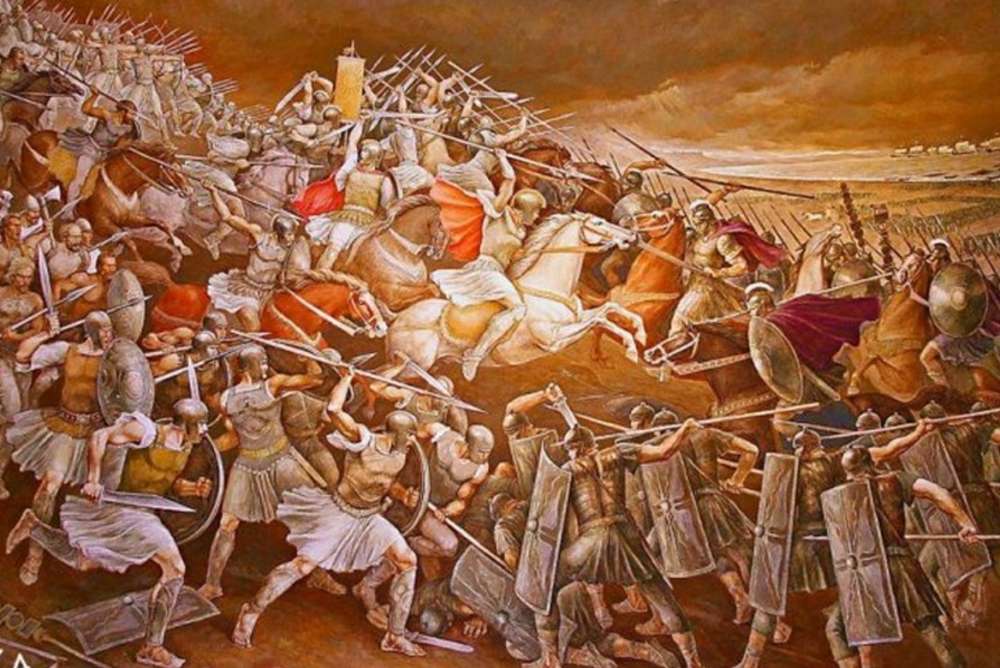
The Untold Stories of Albania’s Past

loola-games.info – Albania, a small yet historically rich country in the Balkans, boasts a fascinating past that is often overshadowed by its more prominent neighbors. From ancient civilizations to recent political transformations, Albania’s history is a tapestry of intriguing stories waiting to be uncovered. Let’s explore some of the lesser-known chapters of Albania’s past that have shaped its unique cultural identity.

The Illyrians: Albania’s Ancient Inhabitants

Long before the rise of the Roman Empire, the region now known as Albania was inhabited by the Illyrians, an ancient group of tribes known for their warrior culture and maritime prowess. The Illyrians were skilled in trade and warfare, and their influence extended across the western Balkans. Although much of their history is shrouded in mystery, archaeological sites such as the ancient city of Apollonia offer glimpses into their advanced society and complex relationships with neighboring civilizations.

Skanderbeg: The National Hero

One of the most celebrated figures in Albanian history is Gjergj Kastrioti, known as Skanderbeg. In the 15th century, Skanderbeg led a successful revolt against the Ottoman Empire, uniting the Albanian principalities and resisting Ottoman rule for over two decades. His leadership and military acumen earned him the title of national hero, and his legacy lives on in Albanian folklore and national pride. Skanderbeg’s defiance against a vast empire is a testament to the resilience and spirit of the Albanian people.

The Venetian Influence: A Forgotten Chapter

While the Ottoman Empire left a significant mark on Albania, the influence of the Venetian Republic is often overlooked. During the late Middle Ages, parts of Albania, particularly coastal regions like Shkodra and Durrës, were under Venetian control. This period saw the blending of Venetian architecture, trade practices, and cultural elements with local traditions. The remnants of Venetian fortifications and buildings are still visible today, offering a unique glimpse into this fascinating period of cultural exchange.

The Communist Era: A Nation in Isolation

Albania’s experience under communist rule, from 1946 to 1992, is a compelling yet often untold story. Led by Enver Hoxha, Albania became one of the most isolated countries in the world, severing ties with both the Soviet Union and China. The regime’s strict policies and repressive measures left a lasting impact on the nation. Despite the hardships, this period also saw significant industrialization and modernization efforts. Today, Albania is still grappling with the legacy of these years, as the country transitions towards democracy and integration with Europe.

The Bektashi Order: A Unique Expression of Faith

The Bektashi Order, a Sufi Islamic sect, holds a special place in Albania’s religious landscape. Known for its tolerance and progressive views, the Bektashi community has played a crucial role in shaping Albania’s cultural and spiritual identity. While religious practices were heavily suppressed during the communist era, the Bektashi have experienced a revival in recent decades. Their unique blend of Islamic mysticism and local traditions continues to influence Albanian culture and offers a fascinating perspective on the country’s spiritual history.

Conclusion

Albania’s history is a rich tapestry of untold stories that reveal the resilience, diversity, and complexity of its people. From the ancient Illyrians to the modern challenges of post-communism, each chapter offers valuable insights into the nation’s past and its ongoing journey. By uncovering these lesser-known stories, we gain a deeper appreciation for Albania’s unique heritage and its enduring spirit.